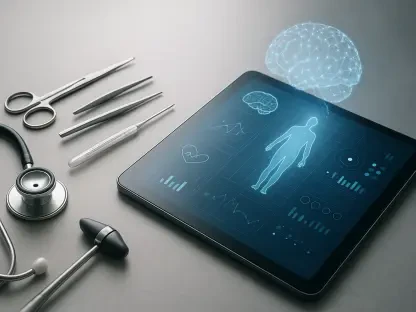
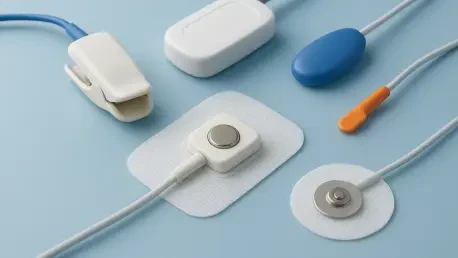
Wearable patches and biosensors allow the elderly to remain in their homes while staying under the constant digital eye of medical professionals, fundamentally altering the relationship between patients and their healthcare providers. This technological evolution marks a definitive departure from

Early ventricular assist devices were frequently compromised by hemolysis and thrombosis until computational fluid dynamics software from the Ames Research Center optimized internal blood flow. This pivotal shift in medical engineering did not happen in a vacuum; it was the result of a profound

Oura’s legal defense emphasizes that the smart ring is explicitly not a medical device, a distinction that may prove crucial in the unfolding federal court battle. The litigation, initiated by a group of disgruntled consumers, alleges that the company misrepresented the accuracy of its

Minnesota's status as a premier medical technology hub faces a test as its largest manufacturing players transition to private equity management. The recent move by KKR to acquire Integer Holdings for $5.7 billion represents more than just a financial transaction; it signifies a tectonic shift in
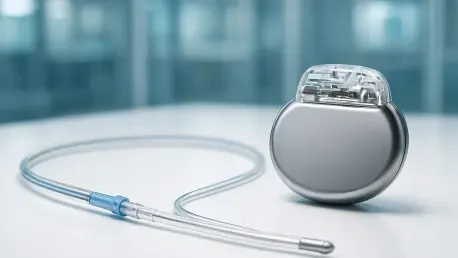
The Food and Drug Administration recently reaffirmed the safety of fluoropolymers after reviewing more than one thousand seven hundred and fifty peer-reviewed scientific studies. This rigorous scientific validation comes at a pivotal moment as Minnesota grapples with the implementation of Amara’s
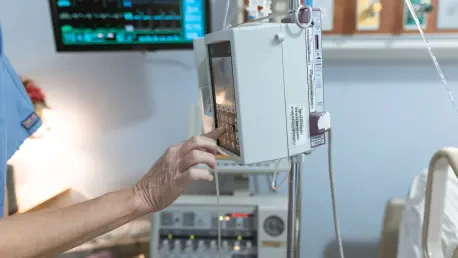
The Medicines and Healthcare products Regulatory Agency emphasizes that a product's intended purpose is defined by its functionality rather than manufacturer disclaimers. In the fast-moving landscape of clinical practice, physicians have increasingly turned to digital solutions to manage the