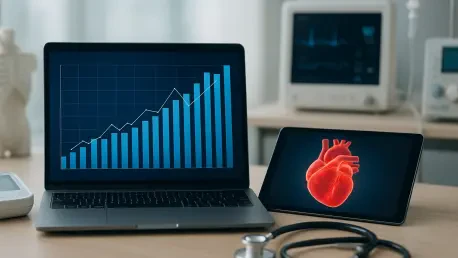
The collapse of specialized manufacturing partners can derail years of clinical validation, highlighting the extreme vulnerability of the medical technology supply chain during economic volatility. This systemic fragility underscores a profound contradiction within the current healthcare landscape

Deploying FDA Class I therapeutic massagers directly in production zones allows employees to manage physical soreness without initiating a formal clinical record. The modern warehouse environment operates at a relentless pace, often pushing the physical limits of the human body through repetitive
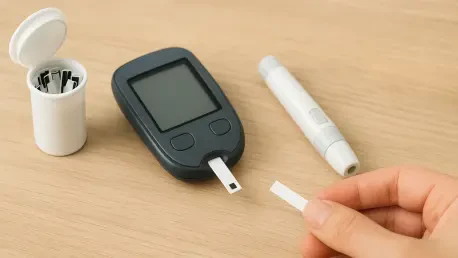
Measuring twenty-three distinct biomarkers, the latest wearable from PNOĒ identifies how efficiently an individual's body switches between fat and carbohydrates for fuel. This milestone reflects a broader trend where elite physiological assessments are no longer confined to specialized medical

By utilizing a magnesium electrode and molybdenum trioxide, the new paper-like battery can reach 1.84 volts, which is enough to power medical transmitters for three days. This innovation addresses the long-standing risk of chemical leakage or intestinal blockage associated with standard lithium-ion
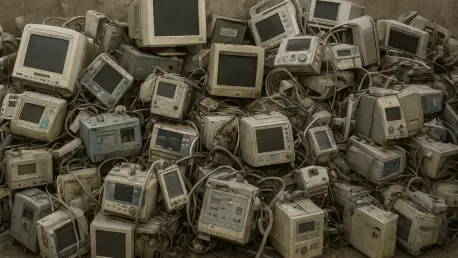
The rapid proliferation of sophisticated medical electronics has created an urgent environmental dilemma as millions of high-tech devices are discarded annually without sufficient recovery or recycling frameworks to handle the complex waste. As healthcare providers increasingly rely on continuous
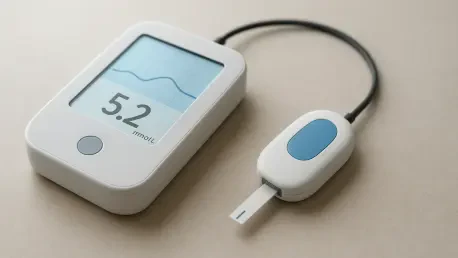
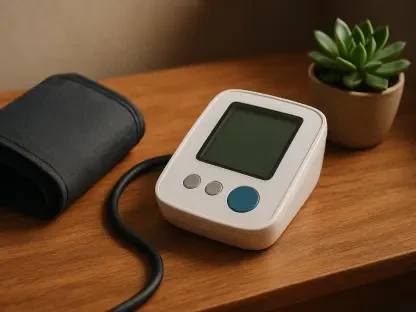
Rigorous clinical validation and data privacy regulations remain significant hurdles for the commercialization of connected home-use devices. Yet, the landscape of modern medicine is currently undergoing a seismic shift, moving away from centralized, expensive laboratory testing toward