
By utilizing a magnesium electrode and molybdenum trioxide, the new paper-like battery can reach 1.84 volts, which is enough to power medical transmitters for three days. This innovation addresses the long-standing risk of chemical leakage or intestinal blockage associated with standard lithium-ion
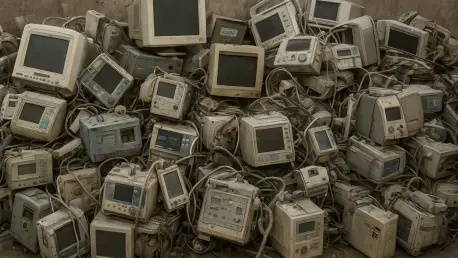
The rapid proliferation of sophisticated medical electronics has created an urgent environmental dilemma as millions of high-tech devices are discarded annually without sufficient recovery or recycling frameworks to handle the complex waste. As healthcare providers increasingly rely on continuous
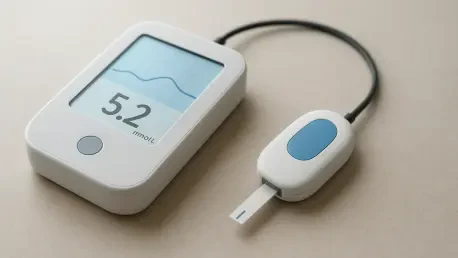
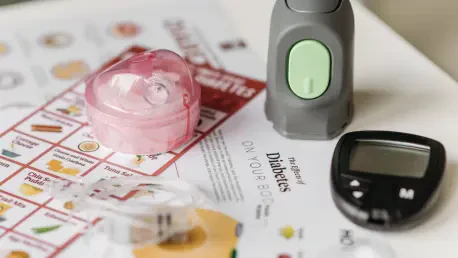
Rigorous clinical validation and data privacy regulations remain significant hurdles for the commercialization of connected home-use devices. Yet, the landscape of modern medicine is currently undergoing a seismic shift, moving away from centralized, expensive laboratory testing toward

Australian regulators have reassigned saline-only vascular access locking solutions to Class IIa status to ensure these devices meet modern safety expectations. This specific adjustment reflects a much broader wave of regulatory transformation sweeping across the Asia-Pacific region as nations

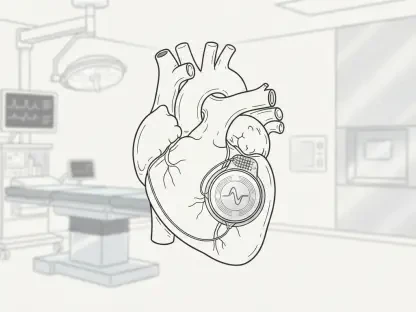
Unlike standard pacemakers, the EV-ICD serves a dual purpose by maintaining steady rhythms and delivering emergency shocks during life-threatening episodes. Sudden cardiac arrest is often perceived as a condition primarily affecting the elderly, yet the case of 20-year-old student Coeus Lee

The X-TAP system's hardware-software integration focuses on the diagnostic capabilities required to provide a rapid summary of essential physiological data in a single Health Glance. This technological milestone marks a significant departure from the era of passive activity trackers, ushering in a