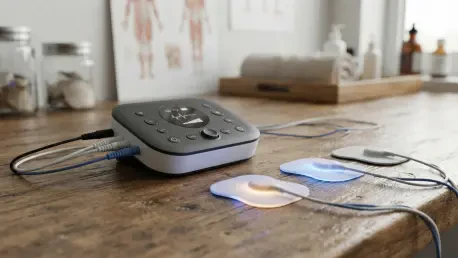

Analysis of FDA adverse-event reports from 2016 to 2025 highlights systemic challenges in the way rehabilitation technologies are currently monitored. While the integration of heat, electricity, and light in clinical settings has revolutionized recovery protocols, the sheer volume of adverse events suggests that the transition from clinical theory to home or outpatient use remains fraught with complications. Researchers recently delved into nearly five thousand reports filed over the past decade to untangle the complexities of device malfunctions and health complications. This extensive investigation, which covered thirty-one distinct product categories, reveals that the safety profile of rehabilitation devices is not uniform across all technologies. Instead, it is heavily skewed by the widespread use of specific consumer-facing products. As practitioners and patients increasingly rely on these electrophysical agents to manage chronic pain and mobility issues, understanding the nuances of these reports becomes vital for preventing future harm and ensuring that therapeutic benefits are not overshadowed by preventable risks.
Analyzing the Concentration of Risk in Thermal Therapy
The data indicates a startling concentration of safety reports within a very narrow segment of the electrophysical agent market. Passive thermal packs and powered heating pads accounted for a staggering eighty-three percent of all reported adverse events during the study period. One specific brand, ThermaCare, was linked to more than one-third of the entire cohort of reports, suggesting that the ubiquity of certain high-volume product lines significantly impacts the landscape of postmarket surveillance. This phenomenon raises questions about whether the underlying technology is inherently risky or if the sheer scale of commercial availability leads to a higher frequency of misuse and subsequent reporting. When a single product line dominates the data to such an extent, it can mask the safety trends of less common but potentially more complex devices. Regulators must therefore look beyond general categories to identify specific brands or designs that consistently appear in grievance logs to better protect the public from recurring issues.
Further examination of clinical health effects reveals that skin-related complications are the primary concern for users of thermal rehabilitation tools, appearing in over half of all filed reports. There is a clear and persistent correlation between these cutaneous issues and the way instructions are delivered or followed by the end-user. This suggests that many adverse events are not the result of mechanical failure but rather a failure in the interface between the human and the machine. However, the narrative shifts significantly when thermal products are removed from the analytical equation. For devices involving electrical stimulation or optical therapies, the reported complications tend to lean toward neurological or neuromuscular disruptions. This divergence highlights the necessity for specialized training and clearer warnings tailored to the specific energy modality being used. A one-size-fits-all approach to safety labeling clearly fails to address the unique physiological interactions that different electrophysical agents provoke within the human body.
Addressing Regulatory Gaps and Improving Safety Protocols
Beyond the clinical outcomes, the research uncovered significant systemic flaws in how adverse events are documented and categorized by regulatory bodies. One of the most concerning findings was the prevalence of report clusters, where certain devices saw sudden surges in complaints that did not align with a steady distribution of use over time. These spikes often point to manufacturing batches with defects or sudden changes in consumer behavior that existing safety frameworks were slow to catch. Additionally, a narrative review of the files exposed frequent discrepancies between the official FDA product classification and the actual operating mode of the device as described by the person filing the report. Such mismatches indicate that administrative labels often fail to capture the reality of how these tools are utilized in diverse clinical and home environments. This lack of precision in data entry complicates the ability of researchers to perform accurate risk assessments and underscores the need for a more granular approach to device tracking and categorization.
The investigation characterized reporting patterns and identified eleven death-coded reports, which provided a baseline for implementing more robust risk controls between 2026 and 2028. To improve patient safety, stakeholders recognized the need to move toward a monitoring model centered on identifiable product lines and actual clinical-device interactions. Researchers concluded that manufacturers should revise device instructions to be more intuitive, specifically addressing common misuse patterns identified in skin-related reports. Furthermore, the data suggested that clinicians should adopt a more proactive role in educating patients on the physiological responses expected from electrical stimulators to mitigate neurological risks. The transition to a more responsive regulatory environment required a commitment to analyzing the narrative context of adverse events rather than just numerical data. Ultimately, safety initiatives prioritized the refinement of user interfaces and the clarification of thermal thresholds to ensure these agents remained a safe pillar of rehabilitation.