
The transition from a sterile examination room to the complex reality of self-managed recovery often leaves patients grappling with a profound sense of abandonment. While a physician might spend fifteen minutes providing a diagnosis, the patient spends the following months navigating insurance

Bridging the Gap: Data Complexity and Medical Innovation The pharmaceutical and healthcare industries are currently navigating a monumental shift, moving away from fragmented data silos toward integrated, intelligent ecosystems that prioritize patient outcomes over administrative record-keeping. At

Chief Nurse Executive Michelle Watson is leveraging her forty years of clinical experience to lead a strategic shift toward artificial intelligence at Lifepoint Health. The healthcare landscape has long struggled with a paradox where technological advancements often resulted in increased
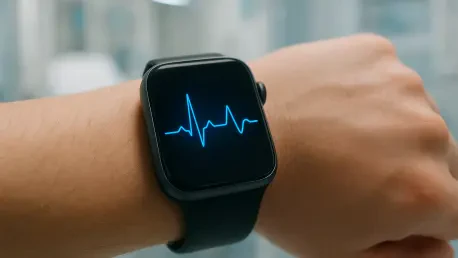
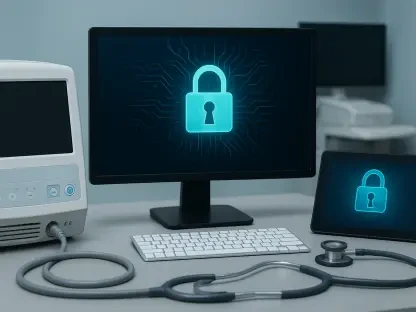
Context-aware security systems must determine if a sudden flood of network traffic is a cyberattack or a legitimate response to a patient's physical distress. This critical distinction is the cornerstone of patient safety in the increasingly connected world of the Internet of Medical Things (IoMT).

The transition to sustainable energy for medical facilities ensures 24/7 operational capacity by decoupling critical health systems from unreliable fossil fuel grids. This fundamental shift underscores the broader findings of the 2026 Mid-Year Report from eHealth Africa, which details a
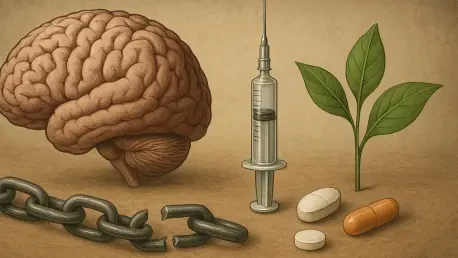
A person’s fierce determination to stay sober often crumbles not because of a weak character but because their physical body has become an inhospitable environment for resilience. For decades, the recovery community has operated on the assumption that substance use disorder is primarily a battle of