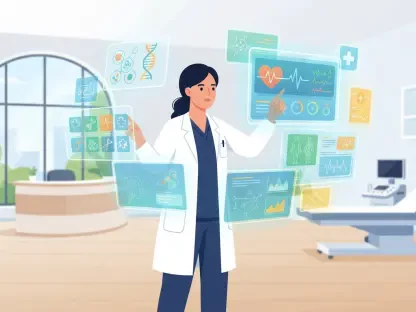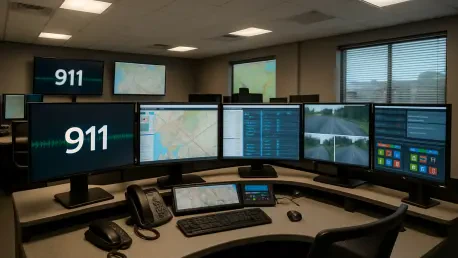

TTUHSC is currently the only institution in Texas collaborating with the state on this specific model of virtual emergency medical intervention. This revolutionary pilot program, overseen by the F. Marie Hall Institute for Rural and Community Health, focuses on minimizing the devastating impact of distance on patient survival rates. In the vast stretches of the Texas landscape, the concept of the “golden hour” remains a daunting challenge for traditional emergency response teams. By leveraging advanced telecommunications, this program effectively transforms standard ambulances into high-tech mobile treatment centers that bring the expertise of a trauma physician directly to the roadside. This decentralization of specialty care ensures that the moment first responders arrive on the scene, they are no longer working in isolation. Instead, they operate as a synchronized unit with hospital-based teams, providing a level of care that was previously impossible to achieve outside of a physical facility.
Portable Diagnostic Suites: Delivering Hospital Resources to the Field
Central to this technological transformation is a specialized, ruggedized equipment suite often described as a hospital in a suitcase. This portable kit includes high-definition video conferencing tools, advanced EKG monitors, and sophisticated ultrasound machines that are designed to withstand the harsh environments typical of rural response calls. During an emergency, paramedics utilize these tools to capture and transmit vital medical data in real-time to receiving facilities like W.J. Mangold Memorial Hospital. This immediate data stream allows doctors to view internal imagery and cardiac rhythms with the same clarity they would expect in a clinical setting. By equipping local EMS providers with these high-end diagnostic capabilities, the program bridges the gap between field stabilization protocols and comprehensive emergency medicine. The ability to perform an ultrasound at a remote wind farm or a ranching site changes the fundamental nature of rural medical triage.
Maintaining a stable connection in the notorious cellular dead zones of rural Texas requires more than just standard mobile hardware. The Next Generation 9-1-1 pilot utilizes high-priority wireless hotspots and multi-network cellular bonding to ensure that medical data is transmitted without interruption. These systems prioritize emergency traffic, allowing heavy data files such as live video feeds and high-resolution imaging to bypass the congestion often found on public networks. This robust connectivity backbone is what allows the virtual emergency medical model to function in areas that were previously considered unreachable for high-bandwidth applications. Furthermore, the integration of satellite backup options provides a redundant layer of reliability for regions with no terrestrial cellular coverage. This technical infrastructure is the prerequisite for all other clinical interventions, ensuring that the physician’s voice and the patient’s vitals remain connected even when the vehicle is traversing isolated corridors.
The Evolution of Medical Oversight: Strategic Integration and Sustainability
The program introduces a virtual on-site medical director who provides immediate guidance to paramedics through secure, high-definition video links. This direct line of communication empowers rural EMS crews—such as those at Floydada EMS—to perform complex procedures and make critical diagnostic decisions under the supervision of a board-certified emergency physician. A recent training simulation involving a traumatic injury at a remote industrial site showcased the system’s potential; first responders identified internal hemorrhaging via remote ultrasound guidance and stabilized the patient long before arriving at a trauma center. This collaborative framework changed the dynamic of emergency care from a hand-off model to a continuous care model. By the time an ambulance reaches the hospital, the medical team has already analyzed the patient’s condition for over thirty minutes, allowing them to prepare specialized operating rooms or blood supplies in advance, which significantly reduces the time to surgery.
The expansion of the pilot from five to eight rural agencies demonstrated the scalability and success of the virtual emergency medical intervention model. Stakeholders from the Commission on State Emergency Communications and regional medical facilities recognized that the integration of high-speed data was the most effective way to modernize rural response. Beyond crisis care, the initiative successfully integrated community paramedicine to manage chronic conditions within the home, which reduced emergency room volume. This shift proved that proactive digital oversight was as critical as reactive trauma response. Healthcare systems adopted this model to ensure that high-quality care remained accessible to everyone. By prioritizing the development of a unified digital health network, the initiative provided a clear blueprint for rural infrastructure investments that focused on data parity and real-time physician collaboration. This program successfully transitioned from an experiment into a standard operational framework for emergency medical services.