
Located at least 10 kilometers or a three-hour walk from the nearest clinic, rural 'white areas' represent the most dangerous regions for expectant mothers in Afghanistan. In these vast, underserved stretches of the country, the lack of accessible healthcare turns routine pregnancies into
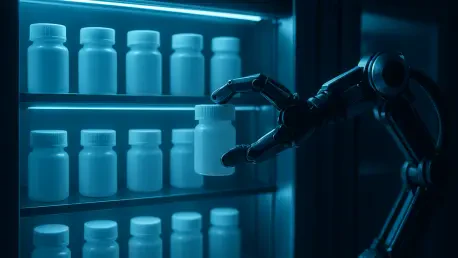
The integration of autonomous agents into pharmacy workflows allows for the processing of millions of patient medication cases with a level of speed unattainable by human staff alone. As pharmaceutical innovation accelerates, the gap between the creation of life-saving drugs and the ability of
Unlike institutional AI built with rigorous protection, shadow tools operate entirely outside the safety structures and auditing processes mandated by modern medical governance standards. This silent infiltration of the clinical environment marks a pivotal moment for the American healthcare system,
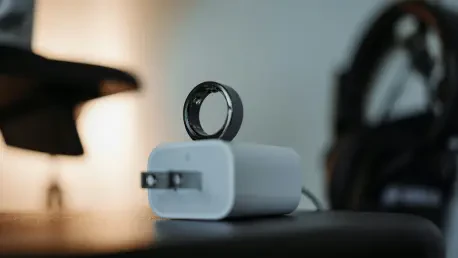
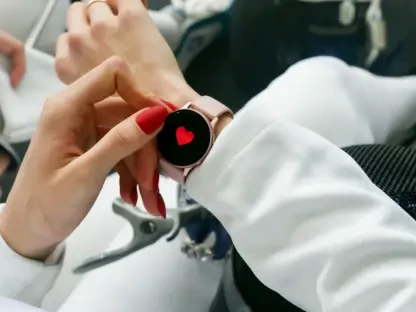
While it lacks the built-in GPS and electrocardiogram functions found in competitors, the Oura Ring 5 excels as a dedicated tool for analyzing long-term recovery and sleep architecture. That trade-off defines the entire device. Instead of trying to behave like a tiny computer on the finger, it aims
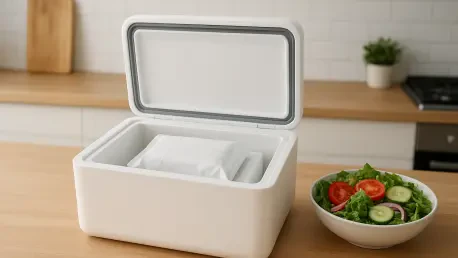
Patients frequently abandon treatment due to gastrointestinal side effects like nausea, making provider availability during titration critical. The current medical landscape in the United States has reached a pivotal juncture where nearly 11% of the adult population relies on Glucagon-Like

Tandem Health employs an in-house team of 100 clinicians to ensure its AI assistant remains deeply integrated into local medical practices and workflows. This commitment to clinical authenticity has resonated powerfully within the investment community, culminating in a significant one hundred