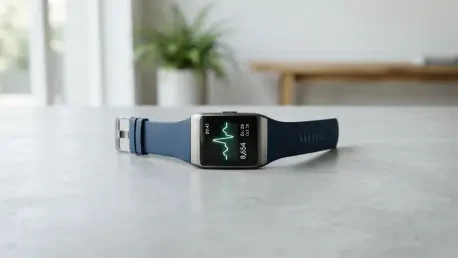

The device’s interface relies on simplified data tiles that prioritize quick metric checks while delegating deeper analytical tasks to the connected mobile application. This architectural choice addresses a significant trend in the 2026 wearable market: the rise of “smartwatch fatigue,” where users feel overwhelmed by the constant influx of notifications and the complex app ecosystems found on flagship devices like the Google Pixel Watch. By stripping away these distractions, the Edge positions itself as a specialized tool for those who view health tracking as a priority rather than a secondary function of a wrist-worn smartphone. It serves as a middle ground between minimalist bands and bulky high-end wearables, offering a slim profile that integrates into a professional or athletic lifestyle without being physically or digitally intrusive. This strategic focus ensures that the device remains a background companion until the user specifically seeks data, fostering a more intentional relationship with personal wellness technology and reducing the cognitive load often associated with modern electronics.
Design and Interface
Refined Hardware and Tactile Controls
A pivotal design enhancement in the Google Fitbit Edge is the reintroduction of a dedicated physical side button, a feature that many users felt was missing from earlier touch-only models. This tactile control provides a reliable way to interact with the device when sweat or moisture makes the touchscreen unresponsive, a common issue during intense physical exertion. The chassis is constructed from recycled aluminum, emphasizing a commitment to sustainable manufacturing while maintaining a premium feel. At a weight of just 17.7 grams, the device is light enough to be forgotten during daily tasks, yet robust enough to handle the rigors of an active lifestyle. This hardware refinement represents a shift toward functional durability, where the ergonomics of the device are prioritized to ensure it does not impede wrist movement or cause discomfort during prolonged wear. By balancing weight and material quality, the design caters to both aesthetic preferences and the practical needs of diverse user demographics, from office professionals to endurance athletes.
High-Quality Display and Navigation
The visual experience is centered on a 1.3-inch AMOLED display that delivers high-contrast imagery and vibrant color reproduction, ensuring that data is legible even under direct sunlight. Navigation through the operating system is handled via a series of “tiles,” which are optimized for quick swipes to reveal essential metrics such as heart rate, active zone minutes, and current weather. This “glanceable” philosophy prevents the user from becoming bogged down in complex menus, though it necessitates a reliance on the paired smartphone for a granular investigation of health trends. The screen’s responsiveness to gestures is notably smooth, reflecting the advanced processing power under the hood that manages the interface without the lag seen in older tracker generations. Furthermore, the integration of an ambient light sensor allows the display to adjust its brightness dynamically, preserving battery life while maintaining visibility. This design choice highlights a broader industry movement toward efficiency, where the wearable acts as a sophisticated data harvester that presents only the most critical information at the forefront.
Activity and Fitness Tracking
GPS Performance and Exercise Modes
For those who prefer to train without being tethered to a mobile device, the built-in GPS functionality of the Edge offers a significant leap in autonomy. Comparative testing against industry standards reveals that the integrated positioning system is highly accurate, providing reliable route mapping for runners and cyclists even in environments with dense tree cover or urban canyons. The device supports over 50 specific exercise modes, ranging from standard gym sessions to more niche outdoor activities, and includes an intelligent automatic detection feature that logs walking or running without manual intervention. However, to access high-fidelity data such as pace per mile or elevation gains, users are encouraged to initiate their sessions manually, ensuring the GPS sensor is fully engaged from the start. This balance between automation and manual precision makes the tracker a versatile tool for various fitness levels, allowing casual walkers to stay motivated while providing the detailed spatial metrics required by more serious recreational athletes who demand accurate distance tracking.
Heart Rate Monitoring Limitations
Despite the impressive strides in satellite tracking, the optical heart rate sensor on the Edge continues to face the inherent challenges of wrist-based PPG technology during high-intensity interval training. While the sensor provides exceptionally accurate readings during steady-state cardio activities like long-distance cycling or jogging, it can experience a noticeable lag when attempting to track the rapid heart rate fluctuations typical of sprints or weightlifting. This delay, often lasting a few minutes before the device “locks on” to the actual physiological peak, means that users relying on real-time heart rate zone training may find some inconsistencies in their immediate data. This limitation is a common trade-off for the slim form factor, as larger sensors or chest-worn straps remain the standard for pinpoint accuracy in volatile training environments. Nevertheless, for the majority of fitness enthusiasts, the long-term averaging and resting heart rate data provided by the Edge offer a comprehensive view of cardiovascular health, making it an effective tool for monitoring general fitness improvements and recovery periods.
Holistic Health Monitoring
Continuous Physiological Tracking
The Google Fitbit Edge functions as a persistent sentinel for physical health, utilizing a suite of sensors to monitor metrics such as resting heart rate, heart rate variability, and blood oxygen saturation levels. By recording these data points 24/7, the device establishes a physiological baseline for each user, which is critical for identifying subtle shifts that could indicate overtraining, stress, or the early stages of illness. The inclusion of ECG functionality further enhances its medical utility, allowing users to perform on-demand checks for irregular heart rhythms, provided they are in a region where regulatory approval has been granted. This focus on longitudinal data rather than isolated snapshots represents a more sophisticated approach to wellness, where the device helps the user understand the “why” behind their physical state. By aggregating skin temperature fluctuations and breathing rates, the ecosystem provides a holistic overview of the body’s internal state, transforming raw numbers into a narrative of physical readiness and long-term health trends.
Sleep Analysis and Comfort
Sleep tracking has long been a core strength of the Fitbit ecosystem, and the Edge leverages its lightweight design to provide a superior overnight experience compared to bulkier smartwatches. The tracker monitors sleep duration and categorizes time spent in light, deep, and REM cycles, generating a daily Sleep Score that simplifies complex neurological data into a single, digestible number. This unobtrusive form factor is particularly beneficial for users who find larger devices distracting or uncomfortable to wear in bed, ensuring that the data collected is reflective of a natural night’s rest. A minor operational nuance involves the “sleep mode” toggle, which must be activated to prevent the AMOLED screen from waking the user with unintended brightness during movement. Despite this manual step, the consistency of the sleep data and the comfort of the device make it a top-tier choice for those prioritizing recovery. The ability to correlate sleep quality with daily activity levels through the integrated app provides actionable insights, helping users adjust their evening routines to optimize their cognitive and physical performance.
Ecosystem and Limitations
Google Health and AI Integration
The utility of the hardware is significantly amplified by the Google Health app, which now incorporates a Gemini-powered AI coach to provide personalized wellness guidance. This artificial intelligence layer analyzes the user’s historical data to offer specific suggestions, such as recommending a lighter workout after a poor night’s sleep or identifying a correlation between late-night meals and a drop in readiness scores. While this technology represents the cutting edge of personalized coaching in 2026, it is still in a phase of maturation where some recommendations may feel generic or fail to account for external variables not captured by the sensors. Users can interact with the AI to ask questions about their progress, creating a more conversational and engaging experience than a standard data spreadsheet. This shift toward intelligent analysis marks a transition from simple tracking to active behavioral change, though the most advanced features remain locked behind a premium subscription, highlighting the ongoing industry trend toward a service-oriented business model in the wearable space.
Connectivity and Battery Considerations
To achieve its streamlined dimensions, the Google Fitbit Edge makes several strategic omissions that potential buyers must consider, most notably the absence of NFC for contactless payments. This lack of a mobile wallet feature may be a deterrent for those who have grown accustomed to leaving their physical cards at home during workouts. Furthermore, while the battery is advertised for a seven-day lifespan, practical usage involving the Always-On Display and frequent GPS tracking typically reduces this duration to approximately two or three days. This requires a more frequent charging schedule than some competing minimalist trackers, although a quick-boost feature provides a full day of power in just five minutes. On a positive note, the inclusion of a replaceable battery is a rare concession to hardware longevity, allowing users to extend the life of their device rather than replacing it when the lithium-ion cell eventually degrades. This commitment to sustainability, combined with the device’s focused feature set, creates a compelling package for the environmentally conscious consumer who values specific health metrics over all-in-one connectivity.
Future Pathways in Wearable Health
The evolution of the wearable industry moved toward a philosophy where the quality of data surpassed the quantity of features, a shift clearly embodied by recent hardware iterations. Consumers increasingly realized that a device capable of providing deep physiological insights without the burden of constant digital interference offered a more sustainable path to long-term wellness. This trend highlighted a growing preference for specialized tools over general-purpose gadgets, as individuals sought to reclaim their attention from the pervasive notification cycles of traditional smartwatches. The transition to AI-integrated health management required users to develop a higher level of data literacy, as the insights provided became more personal and predictive. By focusing on the fundamentals of ergonomics and sensor accuracy, the market prioritized the seamless integration of technology into the user’s physical life, ensuring that health monitoring became an effortless aspect of daily routine. These developments suggested that the future of personal technology lay not in more screens, but in more intelligent, less intrusive ways to measure the human experience.