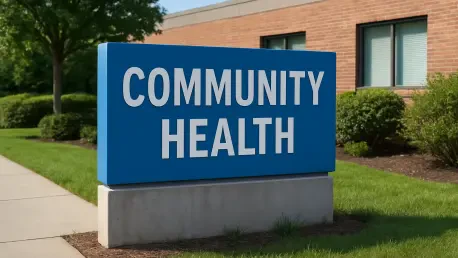

Port Colborne is currently facing a 2028 deadline when Niagara Health plans to decommission existing hospital infrastructure and shut down the local urgent care center. This looming withdrawal of provincial medical oversight has prompted a decisive response from the municipal council, which

A patient residing in a remote mountain community no longer views a three-hour drive to the nearest metropolitan hospital as the only avenue for life-saving cardiovascular intervention or specialist consultation. This shift marks the transition of remote care from a temporary solution into a

The rapid evolution of biosensors and non-invasive monitoring tools has fundamentally transformed how healthcare providers approach chronic disease management and patient recovery. As 2026 begins, the Government Accountability Office has identified critical policy gaps that hinder the full

The rapid stabilization of virtual healthcare usage at approximately 76% represents a seismic shift in the global medical landscape, transforming what was once a temporary pandemic-era convenience into a permanent pillar of modern health systems. This transition is not merely the result of

For decades, the healthcare system has struggled under the weight of fragmented services that forced patients to navigate a labyrinthine web of disconnected providers, often leading to missed diagnoses and delayed interventions. This traditional separation between mental health and physical

The rhythmic hum of a diesel engine across the vast plains of the Midwest once signaled the arrival of a season of growth, but today it often serves as a reminder of the tightening financial vice squeezing independent agricultural producers across the nation. Families who have spent generations