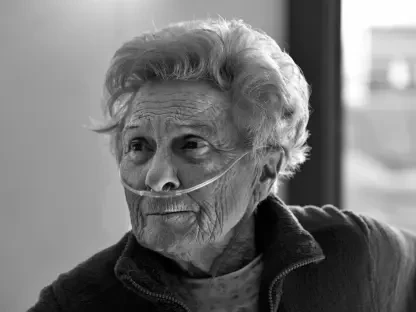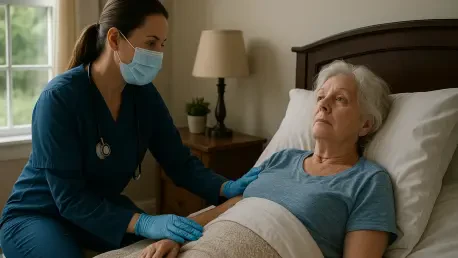

The specialized TTSH@Home pathway allows seniors to receive essential acute medical interventions without the disorientation often caused by unfamiliar hospital environments. For many elderly patients, the sterile atmosphere of a clinical ward—marked by constant beeping monitors, bright fluorescent lights, and the frequent rotation of staff—serves as a catalyst for acute confusion. This phenomenon, known as delirium, frequently goes unrecognized or is dismissed as a natural consequence of aging or the inevitable progression of dementia. However, Tan Tock Seng Hospital has recognized that the environment is just as critical as the medication itself. By shifting the focus from the hospital bedside to the living room, clinicians are now able to provide a stable, familiar backdrop that supports cognitive stability. This initiative represents a paradigm shift in geriatric medicine, prioritizing the mental well-being of the patient while simultaneously ensuring that medical treatment remains effective for every participant.
The Clinical Reality: Identifying Delirium in Aging Populations
Delirium is fundamentally a sudden and severe change in mental function, often triggered by physical stressors that would otherwise be manageable in younger populations. Common culprits include urinary tract infections (UTIs), electrolyte imbalances, and adverse reactions to new medications, which can lead to hallucinations or extreme agitation. Dr. Lim Jun Pei, a senior geriatrician at TTSH, has pointed out that these episodes are often traumatic for patients who retain memories of their confusion, leading to a loss of independence and dignity. Statistically, the stakes are incredibly high for the aging population; roughly 11% of patients over 65 experience delirium during surgical hospitalizations. For those already living with dementia, the risk of developing an acute delirious state is three times higher. This vulnerability creates a cycle where the medical intervention meant to save the patient actually contributes to a rapid decline in their functional and cognitive health status.
Beyond the immediate clinical symptoms, the long-term cognitive trajectory for delirium patients is often concerning. Research has consistently indicated a strong correlation between these acute episodes and the onset of permanent cognitive impairment. Specifically, studies have shown that 31% of individuals who suffer from delirium go on to develop dementia within five years of the initial event. This link suggests that delirium is not merely a transient state but a potential indicator of underlying neurological fragility. Furthermore, the economic implications of managing this condition in traditional hospital settings are staggering, with annual costs in major healthcare markets like the United States reaching approximately $152 billion. These costs are driven by prolonged hospital stays, increased nursing requirements, and the high rate of post-discharge complications. By addressing these issues at the source, medical systems can potentially slow the progression of cognitive decline and reduce the immense financial strain on families.
Scalable Solutions: Integrating Acute Care into Domestic Environments
To combat these challenges, the TTSH@Home model utilizes a multidisciplinary team to provide a virtual ward experience that mirrors the care of a specialized geriatric unit. Central to this approach is the empowerment of caregivers through the EVADE mnemonic, helping families identify early warning signs like altered activity or dietary changes. This is exemplified by cases like a 95-year-old patient whose UTI-induced delirium was initially mistaken for worsening dementia, but who recovered through home-based vital monitoring. Between late 2025 and 2026, the program trained over 130 personnel across 23 community organizations to support such interventions. Early data shows that nearly 30% of patients aged 85 and older were diagnosed with delirium within this pathway. While these patients typically required 1.25 more days of care, their readmission rates remained low, suggesting that a familiar environment provides a more durable recovery than the stressful atmosphere of a traditional hospital ward.
Healthcare systems successfully identified that the most effective delirium prevention strategy involved the decentralization of acute services. Medical professionals transitioned their focus toward empowering family members as primary observers, which significantly mitigated the risk of late-stage interventions. Data confirmed that patients who remained in their own homes recovered their cognitive baselines faster than those in traditional settings. To replicate this success, future initiatives prioritized the standardization of remote monitoring technologies and the expansion of community-based training modules. Organizations recognized that the financial burden of delirium could only be lowered by investing in early detection within domestic environments. By the time the program reached its peak efficiency, the integration of specialized nursing visits and digital health records had created a seamless bridge between the hospital and the home. This shift ultimately proved that clinical excellence is not confined to the hospital walls.