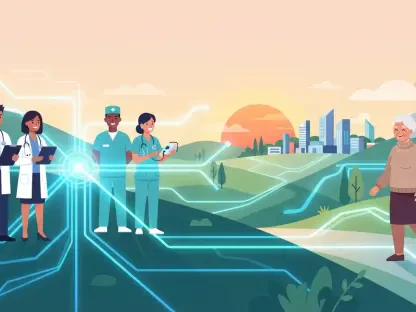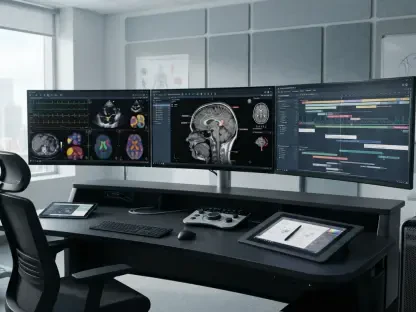

The final telehealth visit occurred just one day before the Duxbury tragedy, raising urgent questions about the safety protocols governing virtual evaluations for postpartum psychosis. As clinicians increasingly rely on remote communication, the distance between patient and provider has become a point of legal and medical contention. In this specific instance, multiple interactions with healthcare professionals through digital platforms failed to identify the severity of the psychiatric state that preceded the catastrophic event. This failure highlights a critical gap in the current framework of digital medicine, particularly for conditions characterized by paranoia or cognitive detachment. While virtual care expanded access during previous years, the reliance on self-reported symptoms through a webcam limits the practitioner’s ability to observe psychomotor agitation or the subtle shifts in affect that often signal a pending crisis. The legal proceedings have forced the medical community to re-evaluate whether the convenience of remote sessions outweighs the necessity of tactile clinical assessments for high-risk patients.
Clinical Gaps: The Limitations of Remote Observation
One of the primary concerns identified by psychiatric experts involves the erosion of the “clinical gaze,” a term describing the comprehensive, 360-degree observation possible only in a shared physical space. In a virtual setting, a patient can easily curate their environment, concealing signs of household neglect, disorganized living conditions, or physical manifestations of distress that occur outside the camera’s narrow field of view. For a mother suffering from postpartum psychosis, the ability to mask symptoms during a twenty-minute video call is significantly higher than during an hour-long in-person evaluation where gait, hygiene, and subtle tremors are more apparent. Furthermore, the lack of physical vital sign monitoring, such as heart rate or blood pressure, removes objective data points that might indicate extreme anxiety or adverse reactions to potent antipsychotic medications. This technological barrier effectively creates a filter that can sanitize the severity of a patient’s deteriorating mental state, leading to a false sense of security.
The complexities of medication management in a remote environment add another layer of risk to an already volatile clinical situation. In cases involving rapid transitions between different classes of psychotropic drugs, such as benzodiazepines, antidepressants, and mood stabilizers, the need for close observation is paramount. When these adjustments occur primarily through digital portals, the clinician lacks the opportunity to perform physical screenings for side effects like akathisia or parkinsonism, which can sometimes exacerbate psychological distress. The Clancy case illustrated how a series of quick, virtual medication changes might have contributed to a fragmented understanding of the patient’s actual baseline. Without the friction of a physical office visit, there is a tendency for efficiency to override the slow, methodical process of assessing drug efficacy. This trend toward accelerated pharmacological interventions through telehealth platforms has prompted calls for stricter guidelines regarding physical checkups for patients.
Regulatory Responses: Structural Reform and Legislative Oversight
Legislative bodies and medical boards are now moving toward a tiered system of care that distinguishes between routine maintenance and high-risk psychiatric intervention. Beginning in 2026 and extending through 2028, new state mandates are expected to enforce in-person milestones for patients diagnosed with severe perinatal mood disorders. These regulations would require that any patient transitioning from standard postpartum depression to suspected psychosis must be seen in a physical clinic within forty-eight hours of a new symptom report. The goal is to ensure that telehealth remains a tool for accessibility rather than a replacement for acute crisis management. By creating a legal framework that mandates physical presence for high-risk medication adjustments, authorities hope to prevent the digital drift that occurs when a patient’s care becomes increasingly detached from localized support systems. Organizations are also developing standardized virtual tools to flag linguistic patterns or micro-expressions indicative of psychosis.
The resolution of these discussions centered on the realization that digital health reached its limit when faced with the unpredictability of severe mental illness. Stakeholders recognized that while remote platforms provided a vital lifeline for many, they necessitated a more robust safety net of localized, physical resources to be effective. Clinics were encouraged to adopt a hub-and-spoke model, where initial screenings occurred virtually but were backed by immediate, same-day access to in-person stabilization units. Providers began implementing mandatory home-health checks for postpartum patients who missed even a single virtual check-in, ensuring that physical distance did not equate to clinical neglect. This shift demanded a fundamental change in how insurance providers reimbursed for mental health services, prioritizing the quality and depth of the assessment over the sheer number of patients seen. Ultimately, the industry moved toward a balanced approach that utilized technology to enhance human connection and support safety.