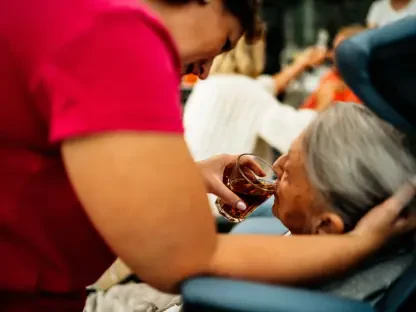

The formalization of community geriatric telemedicine aims to overcome the logistical hurdles that frequently delay timely medical attention for vulnerable senior citizens. As the nation navigates a significant demographic shift, the need for agile healthcare solutions has become paramount to
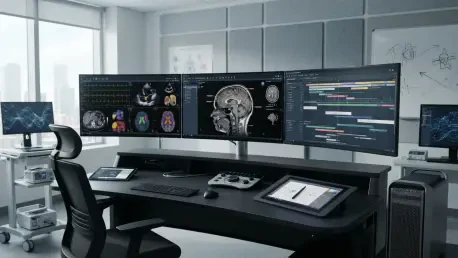
In a study tracking 87 chart reviews, clinicians spent nearly a quarter of their time analyzing a patient's social and family background to inform follow-up care plans. This focus reveals a pivot in how medical professionals approach the vast archives of the electronic health record, where

Tracking recurring incident patterns such as falls and wounds has become more precise with the rollout of the Resident Events monitoring capability. This specialized tool forms part of a broader analytics suite designed to tackle the increasingly intricate demands of the Australian aged care

The sedentary nature of acute care wards often leads to irreversible losses in mobility and independence for seniors who are otherwise capable of recovery. This phenomenon, frequently termed "hospital-acquired disability," highlights a systemic failure where the environment of healing inadvertently
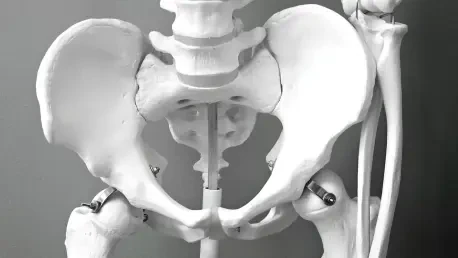
One of the most effective strategies for improving surgical timelines involves the automatic escalation of surgical priority once a hip fracture patient has been waiting for 24 hours. This clinical shift comes at a critical time for Ontario’s healthcare system, which currently manages over 13,000
Healthcare utilization rates have surged beyond insurer expectations, leading to more restrictive provider networks and the termination of less profitable policies. This volatility is defining the start of the 2027 enrollment season, as over three million seniors find themselves navigating a