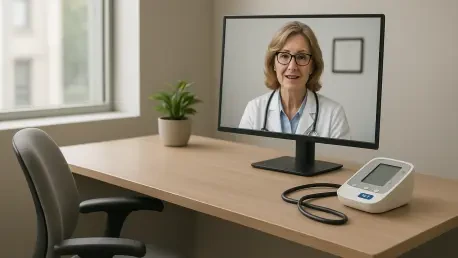

The successful transformation of the facility is part of a broader vision that has already seen the distribution of 30,000 pounds of food to the local community since February. The Austintown Senior Center has reached a significant milestone in its mission to support the elderly population with the unveiling of its new Telehealth, Health and Wellness Room. This initiative, marked by a formal ribbon-cutting ceremony, involved the strategic conversion of a former office into a state-of-the-art medical and technological hub. By providing a private and high-tech environment, the center aims to bridge the digital divide that often prevents seniors from accessing remote medical services in an increasingly digital healthcare landscape. This transition represents a shift in how community centers operate, moving from purely social venues to vital healthcare touchpoints that address the immediate needs of residents. The room offers a sanctuary for those who may lack reliable internet or the necessary equipment at home to conduct private medical business with their providers.
Fiscal Management: Maximizing Grant Potential for Growth
The transformation was made possible primarily through an $11,000 Community Challenge Grant from the AARP, which serves as a cornerstone of a larger $71,000 grant-funding streak led by the center’s new director, Brittney Koch. This aggressive pursuit of outside funding is a central pillar of the township’s fiscal strategy, especially with a senior center levy up for renewal on the November ballot. By supplementing tax dollars with significant grants, the center demonstrates its ability to expand services and upgrade facilities while maintaining a commitment to fiscal responsibility and minimizing the burden on local taxpayers. This proactive approach to financial management ensures that the facility remains a cutting-edge resource without requiring an immediate increase in local tax rates. The ability to secure these funds reflects the regional confidence in the center’s mission and the administrative efficiency of the leadership team in identifying and securing diverse revenue streams for local benefit.
Strategic planning at the township level has shifted toward a model that leverages private and national non-profit contributions to offset operational costs. This methodology is particularly relevant as the community navigates the economic landscape of 2026, where local budgets are often stretched thin by infrastructure needs. The successful acquisition of these grants allows for the modernization of equipment and the repurposing of existing spaces into highly functional medical suites without diverting funds from essential maintenance or social programming. Residents have noted that this financial transparency and success in winning competitive grants build trust between the administration and the voting public. It establishes a precedent for future development where the burden of innovation is shared by national advocacy groups rather than falling solely on the shoulders of the local property owners. This fiscal discipline ensures the long-term viability of the center as a regional leader in senior care services and community support.
Clinical Integration: Bridging the Digital Health Gap
The newly inaugurated room is a multi-functional space designed to assist seniors with virtual doctor appointments, prescription management, and navigating patient portals like MyChart. Recognizing that technology can be a barrier for older adults, the center provides hands-on staff assistance and plans to launch educational classes to teach seniors how to manage their healthcare electronically. This support ensures that members can confidently engage with modern medicine without feeling overwhelmed by the digital interface. These classes will focus on practical skills, such as secure login procedures, viewing lab results, and communicating directly with primary care physicians through encrypted messaging platforms. By demystifying the digital aspects of healthcare, the center empowers individuals to take an active role in their medical journeys. The presence of trained staff to troubleshoot technical issues during a live call alleviates the anxiety often associated with remote clinical consultations and appointments.
Beyond its digital tools, the room is equipped with diagnostic hardware such as blood pressure cuffs, glucometers, and medical scales to facilitate basic wellness checks. The space is fully compliant with HIPAA regulations, ensuring that all consultations and data transmissions remain private and secure. Additionally, the room serves as a professional clinical satellite for visiting social workers and community health workers, providing a confidential environment for assessments and wellness clinics. This physical infrastructure allows for a higher standard of care than a standard office setting, as it mimics the privacy and diagnostic capabilities found in a professional clinic. The inclusion of medical-grade furniture and soundproofing further enhances the patient experience, ensuring that sensitive health information is never compromised. It functions as a flexible asset that can be utilized by various healthcare partners to reach a demographic that might otherwise struggle with traditional office visits due to mobility or logistical challenges.
Community Impact: Preventative Care and Future Development
The overarching goal of this expansion is to prioritize preventative care and reduce unnecessary strain on the broader healthcare system. By offering a local, accessible venue for routine consultations, the center helps seniors overcome barriers like lack of transportation or technological illiteracy that often lead to non-emergency hospital visits. This proactive approach keeps members healthier and ensures that emergency resources remain available for those in critical need. Facilitating early intervention through regular check-ups and easy access to specialists via telehealth can identify health issues before they escalate into crises. This model of community-based health advocacy serves as a blueprint for other townships looking to integrate wellness into their social service offerings. By acting as an intermediary between the patient and the large-scale healthcare provider, the center fills a critical gap in the continuum of care, fostering a more resilient and health-conscious senior population within the township.
This project further solidified Austintown’s status as an AARP Age-Friendly Community, reflecting a dedicated commitment to enhancing the quality of life for older residents. Local officials praised the project as a new beginning for the center, highlighting the innovation brought by the current administration. Looking ahead, the center developed plans to continue this momentum by renovating its kitchen to provide nutritional education, teaching seniors how to prepare healthy meals and further supporting the holistic well-being of the township’s aging population. Stakeholders recommended that future phases focused on expanding these educational programs to include mental health support and social connectivity initiatives. These efforts aimed to ensure that every resident had the tools needed for a high quality of life. The integration of technology and physical wellness served as a catalyst for broader community engagement, suggesting that such facilities must evolve into comprehensive health hubs to remain relevant and effective.