
Despite the proven benefits of specialized geriatric care, only twelve percent of the nation’s five thousand emergency departments currently hold the necessary accreditation. As the American population experiences a profound demographic shift, the standard medical infrastructure often struggles to accommodate the multifaceted health requirements of the elderly. Traditional emergency rooms are historically optimized for rapid intervention and the treatment of traumatic injuries, yet this fast-paced environment can be detrimental to seniors with complex chronic conditions. The rise of specialized Geriatric Emergency Departments (GEDs) represents a critical turning point in modern medicine, offering a tailored approach that prioritizes the patient’s functional baseline over a narrow focus on acute symptoms. By moving away from a reflexive admission process, these facilities seek to preserve the independence of older adults while addressing the specific physiological vulnerabilities that come with age, such as physical frailty and cognitive decline. This shift in healthcare delivery is not merely an administrative adjustment but a fundamental reimagining of emergency medicine for a changing nation.
The Strategic Evolution Of Emergency Medicine
Identifying Geriatric Syndromes: A New Triage Standard
Specialized Geriatric Emergency Departments have fundamentally shifted the focus of urgent care from managing isolated incidents to treating the complexities of aging. While a typical emergency visit might center on a singular fall or a sudden infection, these units are specifically equipped to identify what clinicians refer to as geriatric syndromes. These syndromes encompass a cluster of interrelated issues, including cognitive impairment, extreme physical frailty, and the dangerous complications that frequently arise from polypharmacy, or the use of multiple medications. By screening for these conditions immediately upon arrival, medical teams can avoid the pitfalls of a misdiagnosis that often occurs when symptoms like confusion are mistaken for permanent dementia rather than treatable delirium. This nuanced understanding allows for a much more accurate clinical picture, ensuring that the treatment plan accounts for the patient’s overall physiological resilience rather than just the immediate reason for their visit to the hospital.
Functional Assessments: Moving Beyond Acute Injury
Central to the success of the geriatric care model is a rigorous evaluation of a patient’s functional status, which serves as a better predictor of long-term health than age alone. Standard emergency procedures often neglect to assess whether a senior can safely perform basic activities of daily living, such as walking across a room or managing their own medications, before they are sent home or admitted. In a specialized geriatric unit, physical therapists and social workers are often integrated into the triage process to perform these vital functional assessments. This multidisciplinary approach ensures that discharge planning is not just about medical stability but also about environmental safety. If a patient is medically cleared but physically unable to navigate their home environment, the GED provides the necessary interventions to prevent a swift and preventable return to the emergency room. This level of oversight significantly reduces the revolving-door phenomenon that plagues many modern medical institutions today.
Mitigating Hazards: The Risks Of Traditional Boarding
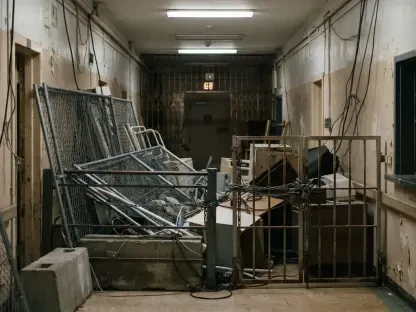
One of the most persistent threats to senior health in traditional emergency settings is the practice of boarding, where patients wait for hours or even days in a hallway for a hospital bed. For an older adult, the high-stress environment of a busy emergency room, characterized by constant noise, bright artificial lighting, and a lack of privacy, can lead to the rapid onset of hospital-acquired delirium. Research has indicated that seniors held overnight in these chaotic settings experience significantly higher mortality rates compared to those who are transitioned to a dedicated ward or discharged with a proper support plan. The specialized geriatric environment addresses this systemic failure by providing quiet, private spaces that help patients maintain their orientation. By reducing the time spent in high-traffic zones, these departments mitigate the risk of falls and psychological distress, acknowledging that for a vulnerable senior, the waiting period in an emergency department is not just an inconvenience but a serious medical risk.
Inpatient Risks: Prioritizing Home-Based Recovery
While admitting a patient to the hospital is often viewed as the safest course of clinical action, it can lead to severe complications for the elderly population. A multi-day stay in a hospital bed frequently results in rapid physical deconditioning, where muscles atrophy so quickly that a senior who arrived walking may leave unable to stand independently. Furthermore, the risk of hospital-acquired infections and adverse reactions to new inpatient medications can outweigh the benefits of continuous monitoring for many non-acute conditions. Geriatric Emergency Departments prioritize outpatient care and home-based recovery whenever clinically feasible, recognizing that seniors often recover more effectively in a familiar environment. By facilitating early intervention and coordinating with community-based resources, these specialized units help patients avoid the physical and mental erosion that so often accompanies an extended hospital stay. This approach preserves the quality of life for the patient while ensuring that hospital resources are reserved for the most critical cases.
Evaluating Systemic Impacts And Design Innovations
Data-Driven Success: Quantifying Survival And Recovery
The clinical advantages of specialized geriatric units are supported by comprehensive research involving national Medicare data, which highlights a dramatic improvement in patient outcomes. Studies have consistently demonstrated that seniors treated in accredited facilities are nearly 40 percent less likely to be admitted to the hospital, a statistic that underscores the effectiveness of their unique triage protocols. More importantly, these patients experience a 38 percent lower mortality rate within 30 days of their initial emergency visit compared to those treated in standard departments. These figures suggest that the geriatric model provides a superior standard of care that directly translates to saved lives and better recovery trajectories. The ability to avoid unnecessary hospitalizations while simultaneously lowering the risk of post-visit death proves that this specialized approach is not merely a luxury but an essential component of a high-functioning healthcare system. These outcomes provide a compelling case for the widespread adoption of geriatric standards across all emergency care networks.
Economic Efficiency: Reducing National Healthcare Expenditures
From a financial perspective, the expansion of specialized geriatric care represents one of the most effective strategies for reducing national healthcare expenditures. By successfully preventing unnecessary hospital admissions, these units have been shown to save the Medicare system approximately $3,000 per patient visit. These savings are achieved without compromising the quality of care or shifting the financial burden onto the patients themselves. In fact, by avoiding the high costs associated with inpatient complications and readmissions, the GED model promotes a more sustainable economic framework for the entire medical industry. As the demographic shift continues and the number of seniors requiring emergency services grows, the ability to provide high-quality care at a lower total cost will become increasingly vital. Hospitals that invest in the necessary staff training and environmental upgrades for geriatric accreditation are positioning themselves to meet this demand while also improving their overall clinical performance metrics, making it a sound investment for public health.
Architectural Evolution: Designing For Cognitive Safety
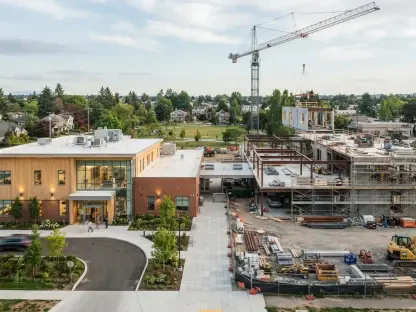
Innovation in geriatric care extends beyond clinical protocols into the physical architecture of the emergency department itself. Standard emergency rooms are often disorienting, with slick floors that increase fall risks and harsh lighting that disrupts circadian rhythms. In contrast, specialized units implement thoughtful design changes such as non-glare lighting, sound-absorbing materials to reduce ambient noise, and the inclusion of windows to help patients maintain a natural sleep-wake cycle. These environmental adjustments are crucial for preventing delirium and reducing the overall stress levels of patients who may already be struggling with cognitive decline. Furthermore, these departments provide simple but essential tools like reading glasses and hearing aids, which are often lost or forgotten during a crisis. Ensuring that a patient can see and hear their medical team clearly is a fundamental requirement for accurate diagnosis and effective communication, yet it is a detail that is frequently overlooked in high-pressure medical environments that prioritize speed over patient comfort.
Future Directions: Strengthening The Senior Care Network
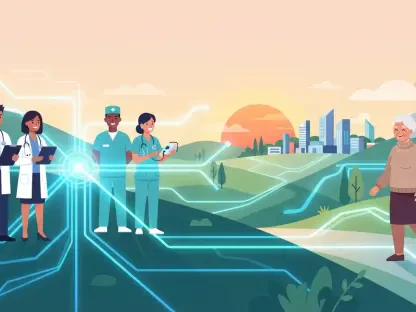
Stakeholders prioritized the expansion of accreditation programs to ensure that specialized emergency care became a universal standard rather than a regional exception. Medical schools integrated comprehensive geriatric training into their core curricula to prepare the next generation of physicians for the realities of an aging society. Healthcare systems invested in integrated data networks that allowed for seamless communication between emergency departments and primary care providers. Research teams analyzed the long-term impact of environmental modifications on patient recovery times and identified the most cost-effective architectural interventions. Administrators advocated for policy adjustments that incentivized hospitals to adopt senior-friendly protocols through increased reimbursement rates for accredited facilities. These collective actions demonstrated that a proactive, multidisciplinary approach successfully mitigated the systemic challenges associated with treating elderly patients in high-pressure medical environments, effectively securing a more resilient future for the national healthcare system.