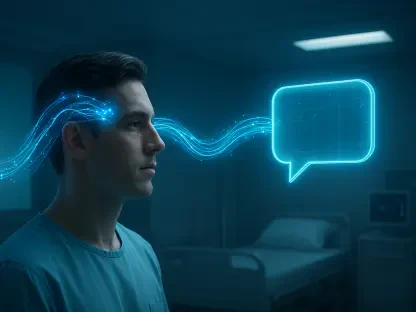

Naver’s Clova CareCall uses AI-driven dialogue to identify specific physical symptoms like shortness of breath and dizziness that might otherwise go unreported in isolated settings. As record-breaking heat waves become a frequent reality across the globe, the vulnerability of the elderly population has reached a critical turning point that necessitates immediate technological intervention. Traditional methods of checking on seniors often rely on manual outreach, which is frequently overwhelmed during extreme weather events when thousands of residents may be at risk simultaneously. Artificial intelligence fills this gap by providing a scalable, persistent presence that monitors health metrics and environmental conditions without the need for constant human supervision. These systems are designed to detect subtle changes in behavior or voice patterns that indicate the early stages of heatstroke, allowing for medical assistance to be dispatched before a situation becomes life-threatening. By integrating AI into daily life, cities are creating a robust safety net that adapts to the unique needs of an aging society.
Advanced Health Monitoring and Diagnostic AI
Predictive Modeling and Personalized Outreach
Predictive health modeling serves as a primary defense by utilizing vast datasets to anticipate medical emergencies before they manifest physically. By integrating historical medical records with real-time meteorological forecasts, specialized AI algorithms identify individuals whose underlying conditions make them hypersensitive to sudden temperature spikes. These models are currently integrated into community health platforms to prioritize outreach efforts during the hottest hours of the day. Instead of waiting for a senior to call for help, local authorities receive prioritized lists of residents likely to suffer from heat stress based on the localized heat index of their specific neighborhood. This level of granularity allows for targeted interventions, such as the emergency delivery of portable cooling units or the arrangement of transport to nearby climate-controlled centers. Such systems continuously learn from health outcomes, refining their accuracy as more data points are collected over time.
Biometric Integration and Wearable Systems
The widespread adoption of wearable sensors provides an internal view of a person’s heat tolerance, allowing for real-time adjustments to their living environment. Modern devices include medical-grade sensors that track core body temperature, heart rate variability, and electrolyte balance through sweat analysis. When these metrics deviate from a safe baseline, the AI-integrated device can immediately trigger an automated response, such as notifying a family member or automatically adjusting a smart thermostat within the home. This creates a seamless safety net that operates without requiring the user to interact with complex technology, which remains a significant barrier for many older adults. For those living in areas with limited internet connectivity, newer low-power wide-area networks allow these sensors to communicate directly with municipal emergency hubs. The result is a comprehensive monitoring ecosystem that effectively reduces the lag time between the onset of heat stress and medical assistance.
Urban Infrastructure and Societal Resilience
Optimized Grid Management and HVAC Efficiency
Urban environments pose unique challenges due to the heat island effect, making intelligent energy management a matter of survival. AI-driven building management systems are now being deployed in senior housing complexes to optimize energy consumption while maintaining safe indoor temperatures. These systems analyze external weather patterns and internal occupancy data to pre-cool buildings during off-peak hours, which reduces the strain on the electrical grid during the afternoon heat. By managing demand dynamically, AI helps prevent localized blackouts that could prove fatal for seniors relying on medical equipment or air conditioning. Furthermore, these systems can identify malfunctioning HVAC units before they fail completely, scheduling maintenance based on performance degradation rather than fixed timelines. This predictive maintenance ensures that cooling infrastructure remains reliable during the most critical periods of the season, providing peace of mind for residents and managers.
Strategic Implementation and Future Safeguards
The implementation of AI-driven strategies offered a blueprint for mitigating the risks faced by aging populations during intense climatic shifts. Stakeholders in public health prioritized the integration of these technologies into existing social safety nets to create a resilient society. By focusing on predictive diagnostics, communities successfully reduced the burden on emergency services while improving individual outcomes. Moving forward, the emphasis shifted toward ensuring equitable access to these life-saving tools, regardless of their location. Investment in localized AI infrastructure became a primary goal for regional governments aiming to protect their most vulnerable citizens. Organizations encouraged the adoption of universal design principles in technology to ensure that AI interfaces remained accessible and non-intrusive for all. These combined efforts transformed a reactive emergency response model into a proactive system of care that anticipated needs.