
Unlike pharmacological interventions that last only hours, medical acupuncture offers a sustainable solution by addressing underlying nervous system pathways. Chronic back pain persists as a global health crisis, frequently leaving individuals trapped in a debilitating cycle of constant discomfort and expensive, failed treatments. Despite the availability of advanced diagnostic imaging and various professional interventions, traditional management strategies often fail to deliver any form of lasting relief. Research in 2026 highlights a significant disconnect between common medical protocols and successful patient outcomes, suggesting that the usual medical care offered by many practitioners is no longer the definitive gold standard for long-term recovery. Many patients find themselves undergoing months of physical therapy or specialized adjustments only to find that the core intensity of their pain remains unchanged or even worsens over time. This pervasive clinical challenge necessitates a shift in how the medical community perceives and treats spinal health.
The Structural Failure: Why Conventional Management Often Fails
The high failure rate of traditional back pain treatments has become a major source of immense frustration for both patients and healthcare providers who are searching for reliable answers. Recent data indicates that a staggering 90% of standard medical interventions, ranging from basic physical therapy and minor adjustments to highly invasive surgeries, are ultimately classified as ineffective for long-term management. This alarming statistic suggests that the standard trajectory of care—often moving from pills to physical therapy and finally to the operating table—may be fundamentally flawed in its logic. Instead of finding a resolution, many individuals end up navigating a complex healthcare system that provides only temporary patches for deeply rooted structural or neurological issues. The economic burden of these failed treatments is also substantial, as patients invest years of time and resources into protocols that do not return them to their previous quality of life or functional capacity.
Misdiagnosis Hazards: The Limitations of Generic Back Treatments
This widespread failure often stems from a fundamental misdiagnosis of the underlying cause, where treatments are applied as generic solutions rather than being tailored to the specific physiological source of the pain. In many clinical settings, back pain is treated as a localized symptom of muscle strain rather than a complex interplay of nerve signaling, inflammation, and myofascial tension. By applying a one-size-fits-all model, practitioners often miss the nuanced drivers of chronic distress, such as central sensitization or specific discogenic factors that require a more targeted approach. Consequently, patients receive interventions that are technically correct for a general diagnosis but practically useless for their unique condition. This lack of precision not only delays the recovery process but also allows the pain to become more deeply entrenched in the nervous system, making it harder to treat later. Transitioning toward a diagnostic model that accounts for these variables is essential for future success.
Clinical Advantages: The Efficacy of the Integrative Needle Approach
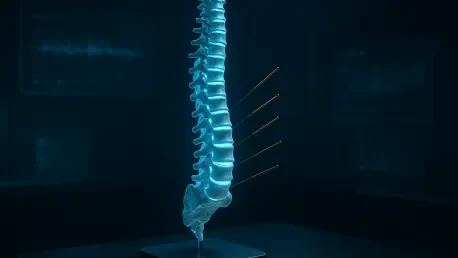
Medical acupuncture has recently emerged as a highly effective alternative to traditional care, boasting clinical success rates that far exceed standard medical protocols. When integrated into a comprehensive, multimodal treatment program, acupuncture can achieve clinical effectiveness rates of over 95%, according to the latest research updates. This approach moves beyond the outdated model of symptom suppression, focusing instead on the body’s natural healing mechanisms to address chronic pain at its source rather than merely masking it behind a chemical veil. By stimulating specific points that correspond to nerve bundles and vascular pathways, medical acupuncture triggers a cascade of biological responses, including the release of endogenous opioids and the modulation of inflammatory cytokines. This shift in focus from the symptom to the system allows for a more profound restoration of function, proving that the body can often heal itself when given the correct physiological prompts.
Lasting Relief: Comparing Acupuncture to Standard Pharmacological Care
One of the most significant advantages of acupuncture over standard pharmacological intervention is the remarkable duration of the relief it provides to those suffering from spinal issues. While common pain-relieving drugs often wear off within hours, leaving the patient to wait for their next dose, the benefits of medical acupuncture are significantly more persistent and cumulative. Clinical studies show that the improvements gained through a structured course of acupuncture can last for several months, and in many cases, patients maintain their progress for up to a full year following the completion of their sessions. This longevity is attributed to the way acupuncture rewires the neural pathways that transmit pain signals, creating a more permanent change in how the brain perceives sensory input from the back. Instead of the “yo-yo” effect seen with medications, where relief spikes and then crashes, acupuncture provides a stable baseline of improvement that supports a more active lifestyle and better long-term health.
Senior Care Breakthroughs: Improving Physical Function and Mobility
The safety profile of medical acupuncture is a critical factor for modern patients, especially when contrasted with the systemic risks of standard drug therapy. Recent findings have emphasized that frequent use of Non-Steroidal Anti-Inflammatory Drugs (NSAIDs) presents a paradoxical risk to back pain sufferers, potentially leading to chronic pain and eventually needing surgery. These common drugs are linked to increased chances of heart attack, stroke, and damage to the liver and kidneys, creating a dangerous trade-off for mere temporary relief. In contrast, acupuncture is a low-risk intervention with virtually no systemic side effects, making it ideal for seniors and those with multiple health conditions. Clinical trials targeting older populations have shown that acupuncture provides significantly greater improvements in physical function compared to usual medical care. By avoiding the toxic load of long-term medication, patients can achieve a safer path to recovery that protects their overall organ health and long-term vitality.
Holistic Recovery: Actionable Strategies for Long-Term Spinal Health
Medical acupuncture was once seen as an alternative, but by 2026 it had established itself as a superior primary care strategy for chronic spinal conditions. Patients who transitioned away from traditional management protocols discovered that their improvements were not only more profound but also more durable over time. Beyond just pain relief, many individuals reported significant side-benefits such as better sleep and reduced systemic inflammation, reflecting the holistic nature of the treatment. For those currently struggling with persistent back discomfort, the most effective next step was to move toward a diagnostic consultation with a licensed medical acupuncture specialist. Practitioners suggested starting with a comprehensive assessment of neural pathways to create a targeted intervention plan. By prioritizing the restoration of the body’s natural signaling systems over the temporary suppression of symptoms, individuals finally broke the cycle of chronic pain. This shift in clinical focus provided a sustainable roadmap for reclaiming independence.