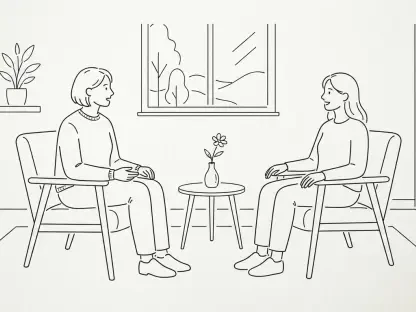

Practicing Tai Chi for just two to three hours each week can effectively add three to six years of healthy brain function to a person’s life while reducing fall risks by sixty percent. This remarkable statistic highlights a broader shift in modern medicine, where the focus has moved from merely extending the number of years lived to maximizing the “healthspan,” or the period of life spent in optimal physical and mental condition. While genetic predispositions certainly influence the aging process, leading geriatricians now agree that roughly eighty percent of how an individual ages is determined by lifestyle choices and environmental factors. This realization empowers people to take an active role in their own biological destiny, recognizing that the decisions made in early and middle adulthood set the stage for later independence. Aging is a continuous journey that starts long before the appearance of grey hair, influenced by early education and physical habits. By understanding that the human body remains remarkably adaptable at any age, individuals can implement specific strategies to protect their vitality and maintain a high quality of life for decades to come.
Strategies for Physical and Sensory Longevity
The Power of Consistent Movement
Focusing on the critical midlife window between 2026 and 2040 allows individuals to establish a biological reserve that buffers against the inevitable physiological shifts of aging. During this period, the body begins to experience subtle changes in metabolic rate and bone density, making the adoption of consistent physical activity a non-negotiable requirement for maintaining long-term health. Rather than chasing extreme athletic feats, the emphasis should shift toward functional movements that mimic daily tasks, such as walking briskly through varied terrain or engaging in lap swimming to support joint health without excessive impact. This proactive approach serves as a form of preventative maintenance for the musculoskeletal system, ensuring that weight management remains manageable and that natural sleep cycles stay regulated. By prioritizing these activities, a person creates a physiological environment where chronic inflammation is minimized, thereby reducing the likelihood of developing mobility-restricting conditions like severe osteoarthritis.
Tai Chi stands out as a premier intervention for older adults due to its unique ability to integrate physical balance with focused mental awareness. This ancient practice functions as a dual-task exercise, requiring the brain to coordinate complex, slow-motion sequences while the legs provide a stable base of support. This specific combination is what drives the staggering sixty percent reduction in fall risks, addressing one of the most significant causes of long-term disability among the elderly population. Beyond physical stability, the rhythmic nature of the movements promotes vascular health and lowers cortisol levels, which in turn protects the hippocampus from stress-induced atrophy. The cognitive demands of memorizing forms and maintaining spatial orientation provide a robust stimulus for neural plasticity, keeping the mind agile. As a result, practitioners often report not only better physical control but also improved executive function and memory, suggesting that the benefits of this low-impact discipline extend far into the microscopic structures of the central nervous system.
Sensory Health as a Cognitive Defense
The intersection of sensory acuity and cognitive integrity is a burgeoning field of study that highlights how hearing loss serves as a primary modifiable risk factor for dementia. When auditory input becomes garbled or faint, the brain is forced to redirect significant metabolic resources away from higher-level thinking and memory tasks just to decode basic sounds. This phenomenon, known as cognitive load, creates a persistent strain on the prefrontal cortex, leading to accelerated neural fatigue and eventual structural decline in the temporal lobes. Furthermore, the lack of clear auditory stimulation can cause the brain’s auditory processing centers to atrophy, which may trigger a cascade of negative effects throughout the central nervous system. Early intervention through the use of high-quality hearing aids or protective measures in loud environments ensures that the brain continues to receive the necessary signals to maintain its structural complexity. By treating sensory preservation as a foundational element of neurological health, individuals can significantly delay the onset of cognitive impairment.
Parallel to hearing, visual health plays a critical role in maintaining a sharp mind by facilitating the social connections that are vital for brain health. When vision or hearing begins to fail, the natural tendency is to withdraw from complex social environments, such as crowded restaurants or group discussions, where communication becomes frustrating or exhausting. This self-imposed isolation is a silent driver of cognitive aging, as the brain thrives on the unpredictable and stimulating nature of human interaction. Social engagement acts as a mental gym, requiring the quick processing of verbal cues, emotional nuances, and shared history, all of which keep the neural networks resilient and adaptable. Research indicates that those who maintain strong communal ties and active sensory engagement exhibit a much slower rate of cognitive decline compared to their more isolated peers. Therefore, maintaining corrective lenses and regular ocular checkups is not merely about seeing clearly; it is about ensuring the window to the world remains open for continued social nourishment.
Nutritional Integrity and Cognitive Engagement
Fueling the Body and Avoiding Toxins
Dietary patterns serve as the chemical foundation upon which the body builds its defenses against the diseases of aging. The Mediterranean diet, characterized by a high intake of leafy greens, legumes, nuts, and monounsaturated fats like olive oil, has consistently proven its efficacy in clinical settings. This nutritional framework is particularly potent because it addresses the systemic inflammation that often precedes chronic conditions such as cardiovascular disease and type 2 diabetes. By prioritizing whole, unprocessed foods and lean proteins, individuals provide their vascular systems with the antioxidants and omega-3 fatty acids necessary to maintain arterial flexibility. This cardiovascular health is directly linked to brain vitality, as a robust blood supply is essential for delivering oxygen and nutrients to the neurons. Studies have demonstrated that strict adherence to this eating pattern can reduce the risk of Alzheimer’s disease by up to fifty percent, proving that the kitchen is just as important as the pharmacy when it comes to long-term wellness.
While adding beneficial habits is essential, the elimination of destructive behaviors is equally vital for preserving healthspan into the later decades of life. The use of tobacco and modern vaping products presents a direct threat to the integrity of the vascular system, causing immediate damage to the lining of the blood vessels and increasing the risk of stroke. These substances introduce a cocktail of toxins that accelerate cellular aging and interfere with the body’s natural repair mechanisms, leading to premature skin aging and organ dysfunction. Similarly, the perspective on alcohol consumption has shifted toward a more cautious approach, as recent data indicates that even moderate drinking can have adverse effects on brain volume and cancer risk. Consuming more than two alcoholic beverages per week is now associated with a measurable increase in the risk of developing neurodegenerative conditions and various forms of malignancy. By establishing clear guardrails around these substances, individuals can prevent the unnecessary weathering of their biological systems.
Social and Mental Engagement in Later Life
The transition into retirement often presents a hidden danger in the form of a sedentary lifestyle that lacks the structured challenges of a professional career. Without the daily demands of problem-solving and social coordination, the brain can quickly fall into a state of stagnation, adhering to the “use it or lose it” principle of neurobiology. Cognitive decline is frequently accelerated during these periods of inactivity, as the neural pathways that are no longer being stimulated begin to weaken and eventually disappear. To combat this, it is essential to replace the rigors of the workplace with new forms of mental stimulation that require active effort and constant learning. Engaging in complex hobbies, such as mastering a foreign language or learning to play a musical instrument, forces the brain to build new synaptic connections and maintain its plasticity. This intentional mental exertion acts as a protective shield, keeping the cognitive faculties sharp and preventing the mental fog that often accompanies a lack of engagement with the surrounding world.
Maintaining a sense of purpose through community involvement and lifelong learning provided the final link in the chain of longevity. Those who successfully navigated the challenges of aging often sought out volunteer opportunities or mentored younger generations, which fostered a sense of belonging and relevance. These individuals actively participated in local organizations, ensuring their social calendars remained full and their minds were constantly exposed to fresh perspectives. They prioritized the development of new skills and stayed abreast of technological shifts, which allowed them to remain integrated within a rapidly changing society. By viewing retirement not as an end but as a strategic pivot toward diverse interests, they effectively cultivated a lifestyle that supported both physical vigor and mental clarity. Moving forward, the emphasis shifted toward creating supportive environments that encouraged these intergenerational connections and continued education. This comprehensive approach to health demonstrated that a vibrant healthspan was achieved through the deliberate integration of physical movement and sensory care.