
Port Colborne is currently facing a 2028 deadline when Niagara Health plans to decommission existing hospital infrastructure and shut down the local urgent care center. This looming withdrawal of provincial medical oversight has prompted a decisive response from the municipal council, which recently moved to secure a site for a new comprehensive community health hub. By prioritizing a centralized model, the city aims to mitigate the vacuum left by the hospital’s closure and provide residents with a sustainable alternative for primary care. The proposed facility is designed to serve as a nexus for medical professionals, social workers, and diagnostic technicians, ensuring that the local population does not have to travel to neighboring cities for routine health checkups. This strategy emphasizes proactive wellness rather than reactive emergency treatment, which is essential for a community with an aging demographic and specific regional healthcare needs in this area right now.
Strategic Response: Navigating Regional Healthcare Shifts
Design Principles: A Centralized Primary Care Ecosystem
The blueprint for the new facility focuses on creating a 40,000-square-foot environment that prioritizes accessibility and patient-centered design. By consolidating various independent clinics and specialists under one roof, the city intends to streamline the patient experience and reduce the logistical burdens often associated with fragmented healthcare delivery. Architectural plans currently favor a modular layout that can adapt to future technological advancements, such as enhanced telemedicine suites and digital health monitoring stations. This approach allows for a fluid transition between physical consultations and remote care, which is increasingly becoming the standard for modern medicine in rural and mid-sized urban areas. Furthermore, the inclusion of community-led organizations like Bridges Community Health Centre ensures that the hub remains rooted in the specific socio-economic context of the region, providing tailored support that exceeds standard clinical boundaries.
Service Integration: Social Support and Diagnostics
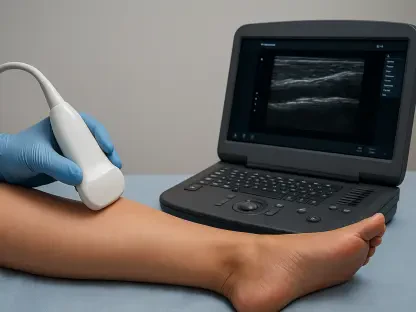
Beyond basic medical consultations, the hub is slated to include an extensive array of diagnostic imaging services and laboratory facilities, filling a critical gap left by the decommissioning of the old hospital site. This integration is designed to facilitate rapid testing and results, allowing physicians to make informed decisions without waiting for external processing from distant regional centers. In addition to clinical services, the facility will host mental health professionals and social service agencies to address the holistic needs of the residents. This multidisciplinary framework recognizes that physical health is inextricably linked to social determinants like housing stability and mental well-being. By offering these services in a single location, the hub lowers the barrier to entry for vulnerable populations who might otherwise struggle to navigate a complex and disconnected system. This coordinated effort represents a shift toward a long-term preventative care model.
Future Viability: Infrastructure and Community Impact
Economic Strategy: Financing Local Medical Services
Securing the financial viability of such a large-scale project requires a nuanced blend of municipal funding, provincial grants, and private-sector partnerships. The city council has already begun the process of identifying potential revenue streams and capital investment opportunities to ensure the project meets its scheduled milestones before the 2028 deadline. Current discussions emphasize the importance of a phased development approach, which allows for incremental growth and avoids the pitfalls of sudden, unmanageable debt. This financial strategy is bolstered by the potential for long-term savings, as a centralized hub reduces the overhead costs associated with maintaining multiple, aging municipal buildings. By investing in modern, energy-efficient infrastructure today, Port Colborne is positioning itself to weather future economic shifts while maintaining a high standard of public service. The focus remains on transparency and fiscal responsibility as the city navigates healthcare.
Evolution of Care: Transitioning From Hospital Models
As the landscape of Ontario’s healthcare continued to evolve throughout 2026, the transition from traditional hospital-based urgent care to community-centric hubs proved to be an essential evolution. The council successfully recognized that the legacy model of large, centralized hospitals was no longer sufficient for providing localized, preventative medicine in smaller municipalities. Stakeholders focused on developing a resilient network of nurse practitioners and specialized physicians who could manage chronic conditions effectively, thereby reducing the strain on regional emergency departments. This shift was characterized by a move toward value-based care, where the success of a medical facility was measured by the long-term health outcomes of the population rather than the volume of procedures performed. Moving forward, the city finalized the remaining construction bids and established a comprehensive health equity framework. This project created a new regional blueprint.