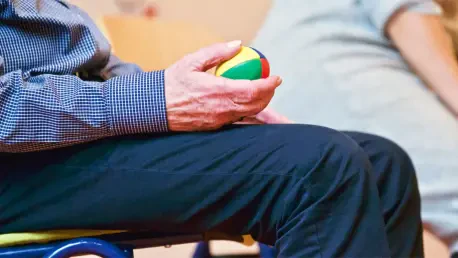

Singapore is addressing the complex nature of Parkinson’s by combining physical therapy with mental health support to create a more holistic recovery environment for seniors. This strategic shift is vital as the global medical community focuses on finding sustainable ways to manage chronic neurodegenerative conditions that threaten the independence of the elderly population. This approach represents a significant departure from traditional, siloed treatment methods that often prioritized physical symptoms while neglecting the cognitive and emotional toll of the disease. By integrating multi-disciplinary teams within community-based hubs, the city-state is fostering an ecosystem where neurologists, psychologists, and therapists work in tandem. The focus has transitioned from intermittent clinical check-ups to a continuous, supportive presence that adapts to the fluctuating needs of the individual. This model not only optimizes physical outcomes but also empowers patients to maintain a higher degree of social engagement and personal autonomy during their recovery journey.
Innovative Technological Interventions: The Digital Frontier
Wearable Biosensors: Transforming Real-Time Patient Monitoring
Wearable technology has emerged as a cornerstone of this modern rehabilitation strategy, providing clinicians with unprecedented access to objective data regarding a patient’s daily movements. These devices, which range from sophisticated smartwatches to discreet ankle sensors, utilize high-frequency accelerometers to track tremors, gait speed, and the frequency of “freezing” episodes throughout the day. By moving beyond the limitations of subjective self-reporting, healthcare providers can now see a comprehensive picture of how Parkinson’s manifests in the patient’s natural home environment rather than just in the clinical setting. From 2026 to 2028, these biometric systems are expected to become standard issue for all newly diagnosed individuals, allowing for the precise titration of dopaminergic medications based on real-time physiological feedback. This shift ensures that the therapeutic window is maximized, reducing the periods of inactivity that often lead to falls or secondary injuries.
Beyond simple monitoring, these technological tools are being paired with artificial intelligence to predict potential health setbacks before they occur. Deep-learning algorithms analyze thousands of data points to identify subtle changes in vocal patterns or typing rhythms that often precede a significant decline in motor control. This predictive capability allows for early intervention, where physical therapy regimens can be intensified or modified before a patient experiences a major loss of function. Furthermore, the gamification of these technologies via mobile applications encourages higher adherence to rehabilitation exercises, as patients can track their progress and receive instant rewards for consistency. The social aspect of these platforms also allows for virtual group therapy sessions, reducing the isolation that frequently accompanies mobility-restricted conditions. By transforming repetitive exercises into engaging digital challenges, the healthcare system is successfully maintaining high levels of patient motivation.
Psychological Integration: Prioritizing Mental Well-Being in Seniors
Parallel to technological advancements, the focus on mental resilience has become a vital component of the rehabilitation process to combat the psychological erosion caused by chronic illness. Anxiety and depression are not merely side effects of Parkinson’s; they are often direct results of the chemical changes occurring in the brain and can severely hinder physical recovery efforts. Specialized counseling programs are now integrated directly into physical therapy centers, ensuring that emotional support is as accessible as a treadmill or a balance beam. These sessions utilize cognitive-behavioral techniques tailored specifically for seniors, helping them navigate the grief associated with losing certain physical abilities while fostering a proactive mindset toward their remaining strengths. Moreover, peer support networks facilitated by trained social workers provide a safe space for individuals to share coping strategies and build community bonds, recognizing that physical progress is inextricably linked to mental state.
Looking back at the shifts in care paradigms, it became clear that the most effective interventions were those that moved away from centralized hospital models toward decentralized, community-led initiatives. Stakeholders recognized that training a broader range of allied health professionals in Parkinson’s-specific protocols was essential to meeting the rising demand for specialized services. Educational institutions successfully updated their curricula to include more robust training in geriatric neurology, ensuring that the next generation of therapists possessed the requisite skills for complex care. Patients and their families were provided with actionable roadmaps that emphasized early psychological intervention and the adoption of assistive technologies as soon as symptoms appeared. This proactive stance significantly reduced the long-term burden on the public healthcare system while dramatically improving the daily lived experience of the elderly population. The integration of technology and empathy established a new gold standard for chronic care.