
As modern consumers find themselves increasingly tethered to a relentless cycle of digital notifications, the demand for technology that serves without distracting has reached an all-time peak. While the standard smartwatch has become a secondary hub for social media and text alerts, the constant buzzing on the wrist often creates a sense of urgency that fragments human attention and heightens daily stress. In response to this cultural shift, the CIRQA has emerged as a radical departure from the norm by completely removing the digital display in favor of a philosophy known as calm technology. This design choice prioritizes the collection of high-fidelity biometric data while allowing the wearer to remain fully engaged with their physical environment. By moving away from the multipurpose utility of a traditional screen-based wearable, the device focuses on providing deep physiological insights without the cognitive energy required to manage an interface. It marks a significant transition toward devices that value accuracy and user presence over constant connectivity.
Reclaiming Attention: The Philosophy of Minimalist Design
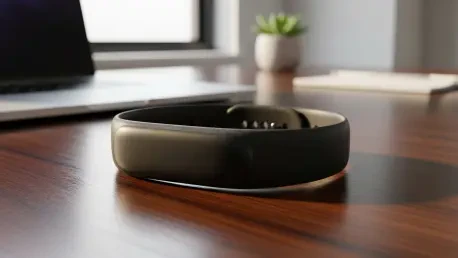
The physical architecture of the CIRQA is defined by its extreme minimalism, featuring a slim and lightweight silicone band that feels more like a subtle accessory than a sophisticated piece of hardware. This intentional reduction in form factor directly addresses the growing phenomenon of notification fatigue, which has become a primary reason why many users eventually abandon their smartwatches. By eliminating the screen, the device removes the primary source of distraction, ensuring that the wearer is not interrupted by haptic alerts, social media updates, or irrelevant emails throughout the day. Its unobtrusive appearance makes it a versatile tool that fits seamlessly into a variety of social and professional settings, from a high-intensity gym session to a formal business meeting. This aesthetic flexibility caters specifically to individuals who want the benefits of modern data tracking but do not wish to look like they are constantly on the clock or tethered to their digital lives.
Beyond the aesthetic appeal, the lack of a screen serves a deeper functional purpose by fundamentally changing the relationship between the user and their biometric data. In a world where people are often conditioned to check their wrist every time a light flickers or a vibration occurs, this screenless approach fosters a sense of digital discipline. The device silently gathers information in the background, allowing the user to focus on their current activity rather than the metrics of that activity. This shift is particularly beneficial for those practicing mindfulness or individuals who find that seeing a low step count or high stress level in real-time actually increases their anxiety. By decoupling the act of tracking from the act of viewing, the wearable encourages a healthier psychological balance, where technology supports life rather than dictating it. This philosophy aligns with a broader movement toward intentional living, where tools are expected to be silent partners rather than demanding masters.
Advanced Biometrics: Precision Engineering and Data Integrity
Despite its unassuming exterior, the band is powered by a sophisticated array of internal sensors that rival the capabilities of many high-end multisport watches currently available on the market. At its core is the latest generation of optical heart rate sensors, which have been refined to provide exceptional accuracy during both periods of high-intensity exertion and complete physical rest. The device also includes sensors for pulse oximetry, allowing users to monitor their blood oxygen saturation levels, which is a critical metric for understanding respiratory health and acclimation. By focusing all internal resources on sensor precision rather than powering a high-resolution display, the hardware achieves a level of data integrity that is often difficult to maintain in larger devices. This commitment to biometric accuracy ensures that the data being collected is a professional-grade reflection of the user’s physiological state, while the lack of a subscription model ensures this data remains accessible.
The compact nature of the band makes it particularly effective for overnight use, a domain where traditional, bulky smartwatches often fall short due to user discomfort. Because it lacks a large, glowing screen and protruding buttons, the device can be worn comfortably through the night without disturbing sleep patterns or getting caught on bedding. This allows for a seamless window into the user’s recovery processes, providing detailed analysis of sleep stages including light, deep, and REM cycles. The device also tracks heart rate variability, which is an essential indicator of how the body is responding to the stresses of the previous day and whether it is ready for another round of activity. By providing this continuous stream of recovery data, the wearable helps users make more informed decisions about their health, such as knowing when to push themselves and when to prioritize rest. This consistent monitoring creates a long-term profile of wellness that is far more valuable than sporadic, daytime measurements.
Operational Efficiency: Longevity and Strategic Implementation
The removal of a power-intensive digital display provides a significant boost to operational efficiency, most notably in the form of dramatic battery longevity that far exceeds typical smartwatches. While many high-end wearables require daily or every-other-day charging, this screenless band can operate for up to 10 days on a single charge, depending on the intensity of background tasks. This extended battery life is not just a convenience; it is a fundamental improvement to the quality of the data being collected. When a device must be removed frequently for charging, significant gaps appear in the health data, particularly during the night or during spontaneous activities. By staying on the wrist for over a week at a time, the device provides a truly continuous and uninterrupted view of physiological trends. This reduces the friction often associated with wearable technology, making it much easier for users to maintain a long-term habit of health tracking without the constant anxiety of a dying battery.
As users integrated this device into their daily routines, they found that the absence of a screen encouraged a more intuitive understanding of their bodies’ signals. Instead of relying on a digital prompt to tell them they were stressed or tired, they began to recognize the physical sensations associated with the data being recorded silently on their wrists. This fostered a deeper connection between subjective feeling and objective biometric reality, which is often lost when technology does too much of the heavy lifting. Moving forward, users benefited most when they scheduled dedicated times to review their metrics within the companion app, rather than habitually checking for updates. They were encouraged to treat the device as a passive historian of their health, focusing on weekly trends rather than daily fluctuations. By embracing this minimalist approach, the industry realized that providing high-quality data without the intrusion of a constant interface allowed for a more sustainable way to manage long-term personal wellness.