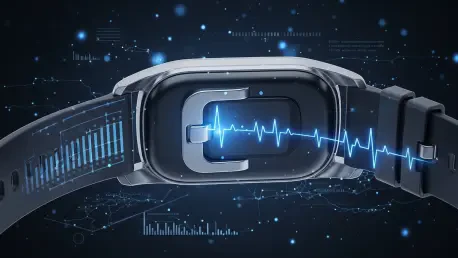

The enduring appeal of a mechanical timepiece often clashes with the modern necessity of biological data monitoring, forcing many enthusiasts to choose between a classic aesthetic and health insights. For years, the primary solution for those unwilling to part with their luxury chronographs was the awkward practice of wearing a mechanical watch on one wrist and a fitness band on the other. This aesthetic compromise has finally been addressed by a design philosophy that prioritizes the preservation of horological tradition while embedding sophisticated electronics. By replacing the standard deployment buckle with a slim, sensor-laden alternative, designers have found a way to bridge the gap between two disparate worlds. This technology allows a vintage Omega or a modern Rolex to function as a fitness tracker without altering the dial or the movement. It represents a shift toward invisible technology, where digital benefits are integrated so seamlessly that they do not distract from the mechanical beauty. This evolution ensures that the heritage of watchmaking survives in a connected era without requiring the user to sacrifice the tactile joy of an automatic movement.
The Architecture of Modern Horology
Engineering: The Integrated Hardware
The hardware integration required to fit a full suite of health sensors into a standard watch clasp necessitated a total rethinking of traditional metalwork. Unlike bulky smartwatches that house batteries and screens behind the crystal, this specific implementation utilizes the underside of the wrist for data collection. The clasp is manufactured from high-grade stainless steel or titanium, ensuring it matches the premium feel of luxury bracelets while remaining light enough to avoid upsetting the balance of the watch. Engineers successfully miniaturized the internal circuitry to such a degree that the clasp maintains a profile nearly identical to standard factory parts. This modularity is a key feature, as it supports various lug widths and strap styles, ranging from leather bands to metal oyster links. By focusing on the clasp rather than the watch head, the integrity of the mechanical movement remains untouched, allowing the escapement to beat without interference from thermal heat or electronic fields. This approach preserves the long-term value of the timepiece while providing the utility expected of a modern wearable device.
Precision: Sensing and Analytics
Beneath the polished exterior of the clasp lies an array of high-precision photoplethysmography sensors designed to monitor blood flow and oxygen levels with medical-grade accuracy. These sensors take advantage of the thin skin on the interior of the wrist, which provides a clearer signal for heart rate variability and SpO2 readings compared to the top of the arm. Furthermore, the inclusion of a six-axis accelerometer allows for the tracking of steps, caloric burn, and even complex sleep stages without the need for a glowing screen. This data is collected continuously throughout the day, providing a comprehensive overview of the wearer’s physical state. Because there is no visual interface on the clasp itself, the device operates in the background, vibrating only for essential alerts. This ensures that the user remains connected to their health metrics without the constant interruptions of digital notifications that typically plague the smartwatch experience, keeping the primary focus on the passage of time. The result is a sophisticated monitoring system that respects the wearer’s attention and the watch’s heritage.
Enhancing Daily Performance
Efficiency: Power and Reliability
One of the most significant challenges in developing an invisible tracker was maintaining a battery life that complements the longevity of a mechanical watch. Designers achieved this by optimizing the power consumption of the Bluetooth 5.2 module and the sensor array, resulting in a device that requires charging only once every ten days. The charging process itself is handled via a discreet magnetic connector that attaches to the interior of the clasp, ensuring that no ports mar the aesthetic of the metal. This extended runtime is crucial for users who are accustomed to the set it and forget it nature of automatic watches. It eliminates the daily anxiety of a dead battery, which often leads people to abandon smart wearables after the initial novelty wears off. By aligning the charging cycle with weekly routines, the technology becomes a reliable companion rather than a high-maintenance accessory. This level of efficiency is a testament to the advancements in solid-state battery technology and low-energy firmware that define the current landscape of wearable hardware and performance.
Connectivity: Seamless Information Management
The synergy between the physical clasp and its companion application is where the raw data is transformed into actionable health insights for the user. Instead of relying on a tiny screen on the wrist, the system pushes all information to a dedicated smartphone app that provides detailed visualizations of heart health, recovery scores, and activity trends. This approach allows for a much more robust analysis of long-term patterns, as the processing power of a smartphone can handle complex algorithms that a wearable cannot. The software was designed with a privacy-first mindset, ensuring that biometric data remained encrypted and under the control of the owner at all times. Additionally, the app offered customization for the haptic engine, allowing users to set specific vibration patterns for different alerts. This created a tactile language that informed the wearer of important events without needing to look at a screen, thus preserving the classic experience of checking a watch for the time while staying informed about internal biological markers and external communications.
Strategy: Future Considerations and Implementation
The successful integration of these systems demonstrated that the preservation of luxury aesthetics did not have to come at the expense of personal wellness data. It was determined that the most effective strategy for collectors involved evaluating their current watch rotations to identify which pieces were best suited for a modular clasp upgrade. By focusing on the strap rather than the watch head, the industry addressed the problem of rapid electronic depreciation in high-value assets. Experts recommended that users look for clasps that offered open API support to ensure their health data could be synchronized across various fitness ecosystems. This development paved the way for a more sustainable approach to wearable technology, where the digital components were treated as replaceable modules rather than permanent fixtures. As this technology matured, it became evident that the harmony between mechanical movements and digital sensors was not only possible but highly desirable. The shift toward invisible health tracking represented a significant victory for those who demanded both form and function.