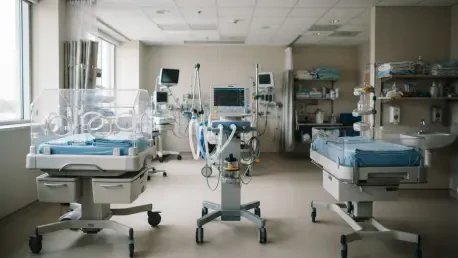

The delivery of high-end medical equipment to Modilon General Hospital marks a pivotal moment where industrial profits directly intersect with the survival of the most vulnerable members of society. In a region where geographical barriers often dictate the quality of care, the recent injection of PGK 316,000 worth of pediatric and neonatal tools serves as a lifeline for families across the Madang Province. This initiative, orchestrated by the Papua New Guinea Chamber of Resources & Energy, demonstrates that the success of the mining and energy sectors is not merely a macroeconomic statistic but a catalyst for immediate human impact. By focusing on critical care for infants and children, the program addresses a fundamental gap in provincial healthcare services. This surge in support comes at a time when technical expertise and modern hardware are desperately needed to reduce infant mortality rates. The integration of corporate funding into public health systems creates a sustainable model that shifts the burden of infrastructure development from the state to a collaborative public-private framework.
Evolution of Clinical Capabilities in Coastal Regions
Implementation of Advanced Respiratory Support Systems
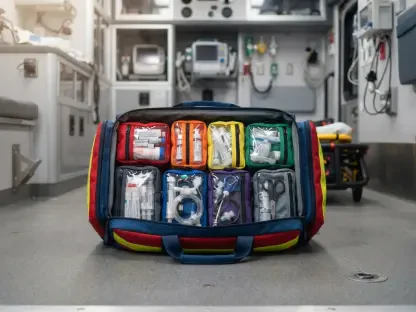
The introduction of sophisticated technology like the Fisher & Paykel Bubble CPAP machines and Airvo™ 3 Humidified High Flow devices represents a significant upgrade in respiratory management. These specific tools are designed to provide continuous positive airway pressure to neonates, helping their fragile lungs stay open and reducing the effort required to breathe. In many rural settings, respiratory distress is a leading cause of neonatal mortality, often because the necessary humidification and flow control systems are unavailable. By providing these advanced units, the donation ensures that medical staff at Modilon General Hospital can provide a level of care previously reserved for major metropolitan centers. Beyond the ventilators, the package includes essential diagnostic tools such as digital blood pressure cuffs, nebulizers, and high-quality stethoscopes. This comprehensive approach ensures that clinicians have the precision instruments required to diagnose and treat acute medical emergencies before they become fatal.
Synergy Between Resources and Regional Healthcare
A robust and thriving resources sector provides the essential economic momentum that allows major industrial players to look beyond their balance sheets toward community welfare. The Papua New Guinea Chamber of Resources & Energy has leveraged this industrial success to create a structured philanthropic vehicle through its Charity Golf Challenge Program. This initiative was made possible by the collective support of 33 corporate sponsors and community partners, including major contributors like K92 Mining Limited, Sun Engineering, and Santos Limited. This program acts as a bridge between the high revenues of the energy sector and the pressing needs of the public healthcare system. When the mining and energy sectors perform well, the benefits ripple through the social fabric of the nation, manifesting as improved infrastructure and specialized services. This synergy proves that industrial growth and social development are not mutually exclusive but are instead deeply interdependent factors in the nation’s ongoing progress.
Strategic Frameworks for Long-Term Medical Growth
Expansion of the Industrial Philanthropy Model
Looking at the current landscape of 2026, the PNGCORE has successfully integrated this charitable model into its long-term strategic planning to ensure a steady flow of medical infrastructure. The donation to Modilon General Hospital was not an isolated event but rather the second major provincial project delivered by the Chamber in recent years. This systematic approach allows for a predictable roadmap of healthcare improvements, with each subsequent year focusing on a different region in need. To maintain this momentum, future tournaments have already been scheduled for later this year in Port Moresby and Sydney. These events are designed to attract international attention and investment, drawing on the global reach of the energy sector to benefit local Papua New Guinean hospitals. By moving the fundraising activities to major business hubs, the Chamber increases its capacity to secure higher donation volumes. This strategic expansion ensures that the program remains financially viable and continues to grow in scale.
Actionable Pathways: Sustainable Clinical Infrastructure
The successful implementation of the Madang healthcare project provided a clear blueprint for how industrial success can be converted into tangible social outcomes. By focusing on actionable solutions, the program identified specific technological gaps in neonatal care and filled them through targeted corporate funding. Looking forward, the funds raised from the upcoming 2026 tournaments have been earmarked to support a third provincial hospital in 2027, maintaining a cycle of continuous improvement. The next steps for the health sector involve not just the acquisition of equipment but also the long-term training of staff to maintain these new technologies. It is evident that public-private partnerships must remain a cornerstone of national development strategies to bridge the gap between urban and rural care. By establishing a sustainable and repeatable model for medical infrastructure development, the industry ensures that its legacy is defined by the lives saved in regional clinics.