
The rapid growth of the female Veteran population has fundamentally altered the operational requirements of national healthcare systems, necessitating a more nuanced understanding of how these individuals access critical services. A comprehensive national study of 1.6 million Veterans has revealed

The sudden shift of bioactive peptides from sterile laboratory settings to the bathroom cabinets of fitness enthusiasts marks a radical departure in how the public perceives pharmaceutical intervention and personal health optimization. In the current landscape of 2026, these short chains of amino

Personalized exercise instruction is increasingly viewed as a medical necessity rather than a lifestyle choice for those recovering from aggressive oncological therapies. As of 2026, the medical community has reached a firm consensus supported by rigorous clinical data from the National Library of

Computational modeling tools now allow pharmaceutical chemists to predict which molecular structures are most likely to form harmful nitroso groups. This capability marks a significant departure from the reactive atmosphere following the 2018 discovery of N-nitrosodimethylamine (NDMA) in
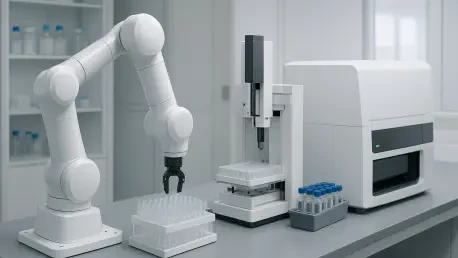
The ability to synthesize over twenty different complex natural products without human intervention marks a significant shift in the future of laboratory operations. For decades, the pharmaceutical industry has grappled with a frustrating disparity between the speed of computational drug discovery

Developing an open consensus standard for epilepsy data is essential for moving away from the proprietary systems that currently hinder collaborative medical research. As we look at the current landscape, the International League Against Epilepsy (ILAE) 2025 guidelines have successfully modernized