
Precision prevention in pediatric care now relies on identifying specific physiological deficits in sleep before they manifest as chronic physical illnesses. For decades, the erratic sleep patterns of teenagers were dismissed as a simple social choice or a byproduct of developmental defiance.

Technical differences between capillary and venous blood, including risks of haemolysis and RNA degradation, remain the final hurdles before home self-collection can be fully integrated into clinical practice. This reality frames the recent findings from a pivotal study in Lusaka, Zambia, where
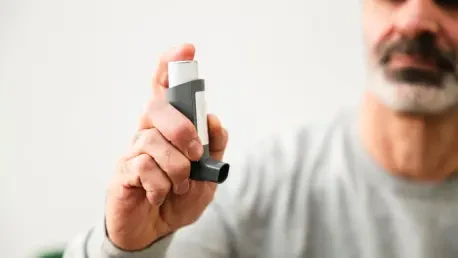
Environmental toxicology reveals that Saharan dust clouds pick up anthropogenic pollutants from industrial zones before being inhaled by populations thousands of miles away. This phenomenon serves as a stark reminder that the atmosphere functions as a shared, interconnected medium where local

The pharmaceutical industry stands at a precipice where the traditional boundaries of clinical research are being redrawn by the emergence of massive-scale synthetic intelligence. The transition of drug discovery insights from digital simulations to physical laboratories aims to reduce the years

Vulnerable seniors with both multimorbidity and functional impairments are twice as likely to experience unmet needs within their local healthcare systems. This reality has become a cornerstone of public health discussions in 2026 as China navigates one of the most significant demographic shifts in

Researchers have recently introduced a fully automated artificial intelligence pipeline designed to eliminate the human bottleneck in quantitative spinal muscle assessment. This development comes at a critical time when clinicians are increasingly recognizing that the structural integrity of the