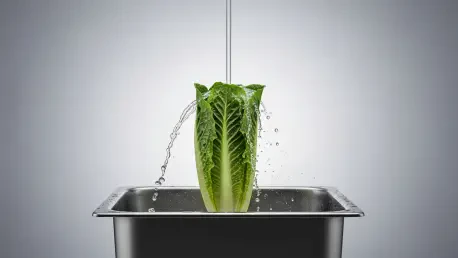

The recent surge in reported cases of cyclosporiasis across North American metropolitan areas serves as a stark reminder that modern food safety protocols often fail to catch the most resilient biological threats before they reach the consumer’s plate. In Quebec alone, health officials documented a staggering 250 percent increase in infections within a single season, with figures jumping from 40 to 140 cases, demonstrating that this is no longer an isolated medical anomaly but a systemic agricultural crisis. Such a dramatic spike suggests that the existing safeguards within the international food supply chain are fundamentally unequipped to manage the unique environmental and biological behaviors of this specific parasite. As global trade networks expand and the demand for year-round fresh produce grows, the vulnerabilities inherent in current irrigation and harvesting practices become more pronounced. This persistent trend necessitates a complete reevaluation of how pathogens are identified and tracked from farm to table.
Environmental Adaptation and Life Cycle Complexity
The primary factor complicating the management of this pathogen is its unique life cycle, which differs significantly from common bacterial contaminants like Salmonella or E. coli. Unlike those pathogens, which can cause immediate illness upon ingestion, Cyclospora cayetanensis is an obligate intracellular parasite that is not infectious when first shed in feces. Instead, the parasite requires a period of one to two weeks in a warm, moist environment to undergo a process known as sporulation, where it matures into an infectious state. This specific biological requirement means that the parasite is almost never transmitted directly from one person to another, effectively shifting the source of outbreaks entirely toward contaminated agricultural inputs like irrigation water and soil. Because the pathogen remains dormant yet viable for extended periods in the field, it creates a persistent reservoir of infection.
Beyond its complex maturation process, the physical resilience of the parasite’s oocysts presents a formidable challenge for industrial food processing facilities. Each oocyst is encased in a rugged, multi-layered wall composed of specialized proteins and lipids that provide exceptional protection against environmental stressors and chemical disinfectants. This water-repellent exterior allows the parasite to adhere tightly to the intricate surfaces of leafy greens, fresh herbs, and various berries, making it incredibly difficult to remove through standard mechanical means. Industrial wash systems that rely on cold water or chlorine solutions often prove completely ineffective at dislodging or neutralizing these oocysts, as the chemical agents cannot penetrate the protective shell. Consequently, even produce that has undergone rigorous commercial cleaning can still harbor enough infectious units to cause illness.
Global Supply Chain Integration and Climate Factors
The modern food distribution network operates as a high-speed logistical highway that facilitates the rapid movement of perishable goods from endemic tropical regions to distant northern markets. Historically, cyclosporiasis was primarily associated with international travel to specific regions, but recent data indicates a significant shift toward import-acquired infections among domestic populations. The highly integrated nature of the produce industry means that a single contaminated farm or packing house in a high-risk area can impact thousands of consumers across several countries within just a few days. This interconnectedness amplifies the scale of outbreaks, as the window between harvesting in a remote agricultural zone and consumption in a major city is now shorter than the time required for health authorities to trace the source of a contamination event. The speed of the supply chain essentially outpaces the traditional reactive diagnostic and investigative protocols.
Accelerating these supply chain risks are shifting environmental patterns that directly influence the prevalence and maturation speed of the parasite in agricultural settings. Increased frequency of heavy precipitation events in key growing regions causes significant amounts of fecal matter to wash into open-air irrigation reservoirs and canal systems, overwhelming basic filtration methods. Furthermore, rising ambient temperatures have been shown to speed up the sporulation process, potentially cutting the maturation time for oocysts by half in some tropical and subtropical climates. When the time required for the parasite to become infectious drops significantly, the concentration of infectious units in the soil and water increases at an exponential rate. These climatic catalysts create a compounding effect, where more parasites enter the water supply and reach their dangerous infectious stage faster, leading to higher rates of contaminated harvests.
Clinical Diagnostic Challenges and Detection Barriers
A major hurdle in mitigating the impact of these outbreaks is the diagnostic disconnect that frequently occurs within primary care settings and emergency departments. The clinical presentation of cyclosporiasis, characterized by severe watery diarrhea, bloating, and extreme fatigue, closely mimics the symptoms of common viral gastroenteritis or the standard stomach flu. This similarity often leads patients and healthcare providers to adopt a watchful waiting approach, assuming the illness will resolve on its own within a few days. However, unlike viral infections that are self-limiting, an untreated Cyclospora infection can persist for several weeks or even months, often exhibiting a frustrating cycle of temporary recovery followed by sudden relapse. Without targeted intervention, the parasite continues to thrive within the host’s intestinal tract, leading to prolonged physical debilitation.
Standard laboratory procedures contribute to the underestimation of the disease’s prevalence because the parasite does not appear in conventional stool cultures used to detect bacteria. Detecting these specific oocysts requires specialized diagnostic methods such as ultraviolet fluorescence microscopy or highly sensitive DNA-based PCR panels, which are not always part of the routine screening process for gastrointestinal complaints. Because these tests are often only ordered when a physician specifically suspects a parasitic cause, a significant portion of cases goes undiagnosed and unreported to public health agencies. This lack of accurate data prevents a timely response to emerging clusters of infection, allowing contaminated products to remain on grocery store shelves for longer periods. Consequently, the official statistics represent only a fraction of the actual burden on the healthcare system.
Implementation of Advanced Monitoring and Protective Protocols
Securing the integrity of the food supply chain requires a transition away from outdated safety metrics that rely almost exclusively on detecting bacterial indicators like E. coli. Agricultural producers and processing facilities must begin adopting direct monitoring strategies specifically designed to identify parasitic contamination in irrigation sources and final products. Technological advancements such as UV-C irradiation and advanced ultrafiltration systems offer promising solutions for neutralizing resilient pathogens that survive traditional chemical washes. These methods work by disrupting the genetic material of the parasite or physically removing the oocysts from the water supply, providing a much-needed layer of protection that does not rely on the permeability of the parasite’s outer shell. Integrating these specialized treatments into the standard processing workflow represents a critical evolution in food safety.
Health authorities recently established a more proactive framework that mandated automatic parasitic screening during the peak summer months for any patient presenting with prolonged gastrointestinal distress. This clinical shift allowed for earlier detection and faster reporting, which ultimately enabled investigators to trace contaminated produce back to specific regional distributors. Furthermore, agricultural regulatory bodies standardized the use of advanced filtration and ultraviolet treatment for irrigation water in high-risk zones, significantly reducing the initial load of oocysts entering the harvest cycle. Consumers also played a vital role by adopting physical scrubbing techniques for firm-skinned produce and opting for cooked vegetables. These combined efforts successfully created a multi-layered defense system that mitigated the impact of seasonal spikes.