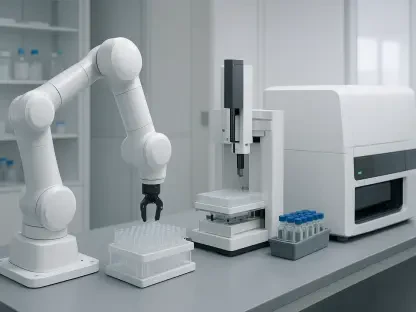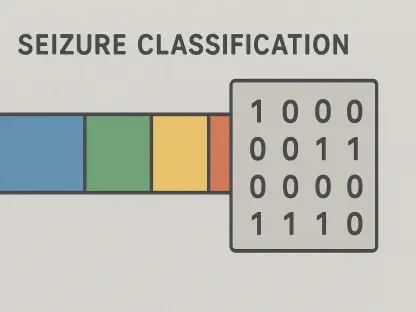

There is a prevailing debate regarding whether artificial intelligence makes data standards obsolete, yet evidence suggests that AI actually increases the value of human consensus. This realization comes at a time when the clinical research industry is navigating a structural crossroads, moving

Particle engineering techniques like micronization and nanonization are essential for increasing the surface area-to-volume ratio of poorly soluble medications. This foundational principle is driving a radical transformation within the pharmaceutical industry as researchers move away from

The UAE Reference Genome study is currently analyzing over 50,000 samples to identify specific genetic variants that allow for proactive and predictive health management. This landmark initiative represents a significant departure from conventional healthcare models, signaling the United Arab

Research indicates that the transition from hospital to home-based rehabilitation does not significantly reduce the physiological risks associated with prolonged sedentary behavior. This realization challenges the core assumptions behind many modern recovery protocols designed for the elderly.

The high recurrence rates and five-year survival rates below fifty percent necessitate a supportive care model that extends far beyond the walls of a traditional oncology clinic. Ovarian cancer remains one of the most formidable challenges in contemporary medicine, largely because it is often

Cancers that lack a Y chromosome may be more susceptible to targeted treatments, offering a potential pathway for personalized oncological care. This fundamental discovery is part of a 2026 landmark review that highlights how sex chromosomes function as the underlying architects of human health and