
Environmental toxicology reveals that Saharan dust clouds pick up anthropogenic pollutants from industrial zones before being inhaled by populations thousands of miles away. This phenomenon serves as a stark reminder that the atmosphere functions as a shared, interconnected medium where local

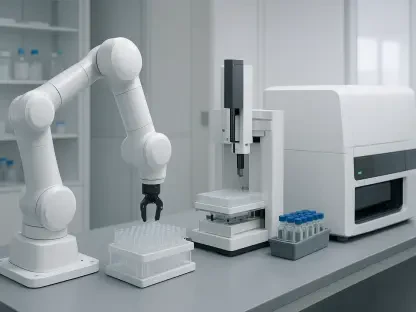
The pharmaceutical industry stands at a precipice where the traditional boundaries of clinical research are being redrawn by the emergence of massive-scale synthetic intelligence. The transition of drug discovery insights from digital simulations to physical laboratories aims to reduce the years

Vulnerable seniors with both multimorbidity and functional impairments are twice as likely to experience unmet needs within their local healthcare systems. This reality has become a cornerstone of public health discussions in 2026 as China navigates one of the most significant demographic shifts in

Researchers have recently introduced a fully automated artificial intelligence pipeline designed to eliminate the human bottleneck in quantitative spinal muscle assessment. This development comes at a critical time when clinicians are increasingly recognizing that the structural integrity of the
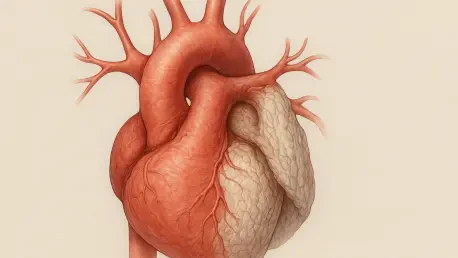
Identifying underlying genetic connective tissue disorders is a vital component of modern aortic care, as these conditions can significantly predispose individuals to arterial wall weakness. This medical reality highlights why aortic aneurysms often operate as shadows within the cardiovascular
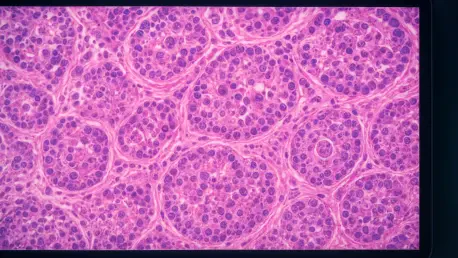
Dirichlet-guided allocation allows researchers to simulate the messy reality of multi-institutional collaboration where data is distributed non-uniformly. This mathematical framework has become essential in 2026 as the medical community grapples with the inherent tension between the need for