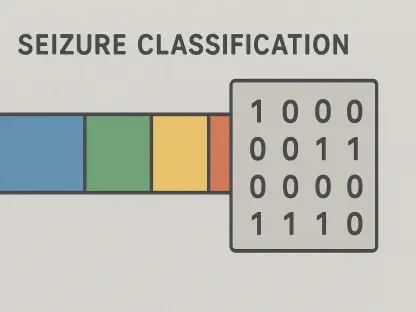

Thirteen adult participants in an epilepsy monitoring unit exchanged over one thousand messages with a conversational AI agent to better understand their own seizure activity. This landmark pilot study, conducted by researchers at the University of Pennsylvania’s Perelman School of Medicine,
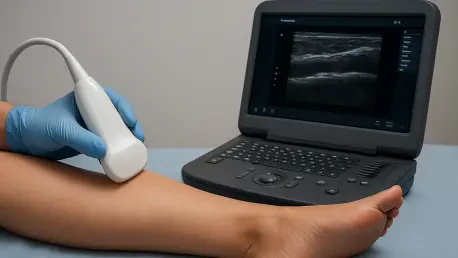
ThinkSono’s technology bridges the expertise gap by allowing nurses and clinicians to record diagnostic-grade recordings without years of specialized sonography training. This breakthrough represents a significant shift in the management of Deep Vein Thrombosis (DVT), a condition that impacts

Clinician documentation and diagnostic codes serve as the primary evidence for mapping the intense, multi-pathogen demand currently facing medical staff. The transition from a singular focus on a global health crisis to a more complicated landscape involving various respiratory threats has

Financial incentives ranging from consulting fees to travel expenses are consistently associated with medical decisions that deviate from evidence-based standards. A landmark systematic review published in the Cochrane Database of Systematic Reviews has provided an exhaustive analysis of how

A recent sixty-patient study demonstrated that the Happy Ring maintains a mean difference of less than one millimeter of mercury compared to high-precision medical reference tools. Monitoring blood pressure has traditionally relied on the inflatable arm cuff, a method that provides only a single

By adopting standardized simulation protocols, the International Confederation of Midwives aims to ensure that empathy and respect are treated as core clinical competencies rather than optional soft skills. This significant shift addresses a long-standing discrepancy where technical mastery often