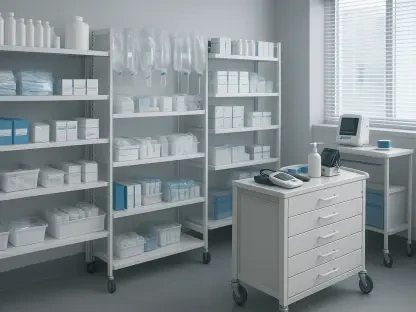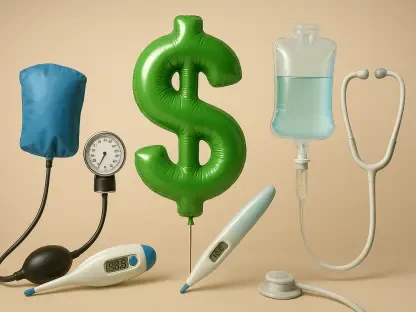

The agreement between the U.S. government and BD focuses on shielding critical medical industries from the volatility of international trade and tariffs. Global medical logistics once relied heavily on a sprawling, often fragile network of international suppliers, leaving the American healthcare
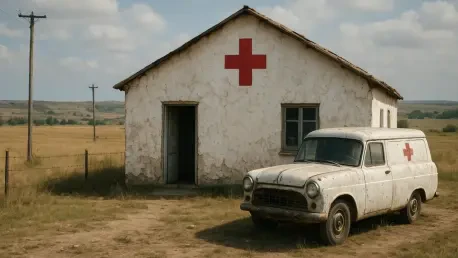
The Eastern Highlands Provincial Health Authority has pledged to provide medical equipment and staff only after witnessing the Ibusa community's significant upfront investment in their own facility. This decisive shift in strategy underscores a growing realization that top-down government

Managing the intricate packaging stages of auto-injectors and syringes requires a high degree of technical expertise and specialized assembly processes. At the CPHI 2026 trade fair in Milan, Faller Packaging is introducing a refreshed brand identity that aligns with these rigorous demands. This

Technical differences between capillary and venous blood, including risks of haemolysis and RNA degradation, remain the final hurdles before home self-collection can be fully integrated into clinical practice. This reality frames the recent findings from a pivotal study in Lusaka, Zambia, where
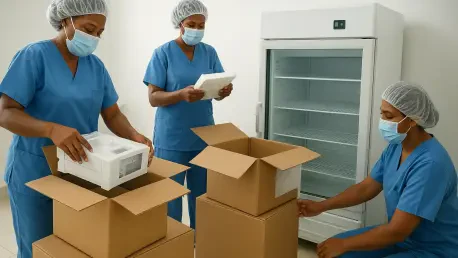
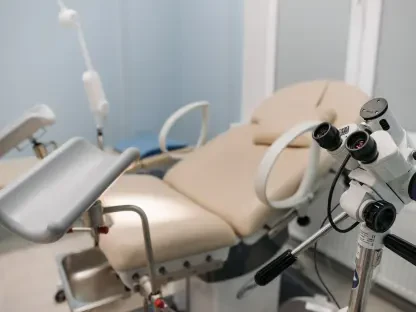
Local health workers no longer have to operate without the essential equipment that forms the foundation of modern obstetric and gynecological practice. This transformation at the ANC Kama Clinic in Goroka signifies a major leap forward for diagnostic services in the Eastern Highlands Province. For

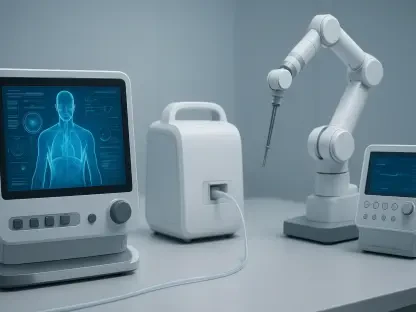
The shift toward retrieval-free medical platforms represents a significant evolution in how doctors can monitor internal health and deliver targeted electrical stimulation. This transformation is currently fueled by a groundbreaking development in materials science: the creation of a fully