
The physician-led triage at the new UAMS facility is designed to take the guesswork out of the healthcare journey for patients experiencing acute symptoms. The University of Arkansas for Medical Sciences is redefining the landscape of emergency medicine with this strategic expansion into West Little Rock. This 12,000-square-foot hybrid center, representing a $10 million investment, addresses a pervasive frustration for residents who often find themselves caught between a standard clinic and a full-scale hospital. By locating the facility at 16800 Chenal Parkway, the health system places critical resources directly within a high-growth corridor where the demand for 24/7 care has outpaced existing infrastructure. This project represents a shift away from traditional care models toward a more fluid approach that prioritizes patient clarity. Instead of navigating complex hospital campuses, individuals receive immediate attention in a streamlined environment that bridges the gap between levels of medical necessity.
Streamlining Patient Transitions in Emergency Settings
Unified Triage: The Clinical Logic
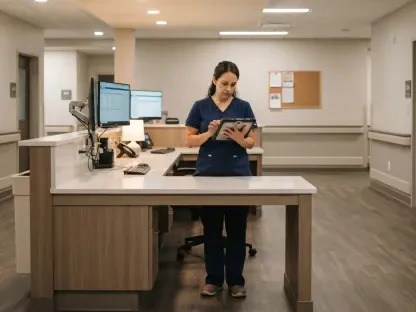
Central to the effectiveness of this facility is the dual-track model that eliminates the burden of self-triage, a common source of anxiety for those facing sudden illness or injury. When a patient enters the facility, they do not have to choose between an urgent care or an emergency department entrance. Instead, they are evaluated by an emergency-trained physician who determines the severity of the condition upon arrival. This professional assessment dictates the clinical pathway and, crucially, the billing structure. A specialized billing algorithm ensures that patients are only charged for the specific level of care required, rather than being billed at high emergency room rates for minor issues by default. This transparency helps mitigate the financial shock often associated with unexpected medical visits. By removing the financial and logistical ambiguity of the triage process, the facility encourages individuals to seek help earlier, preventing minor health issues from escalating into life-threatening emergencies.
Diagnostic Excellence: On-Site Capabilities
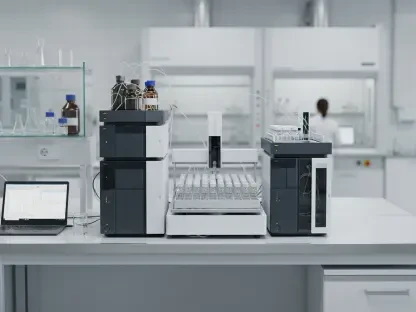
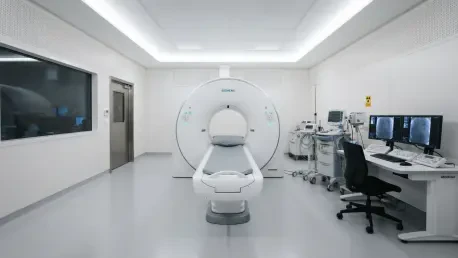
To support high-acuity cases while maintaining efficiency, the center is equipped with sophisticated diagnostic tools typically reserved for major hospitals. On-site laboratory services provide rapid results for blood work, while advanced imaging suites offer immediate access to CT scans, X-rays, and ultrasounds. This integration of technology allows medical staff to make definitive diagnoses without transferring patients to a central campus for routine testing. Having these capabilities under one roof significantly reduces the total time a patient spends in the facility, which directly alleviates the overcrowding seen at regional trauma centers. The presence of such advanced equipment outside of a traditional hospital setting marks a significant evolution in how decentralized care is delivered. It ensures that the quality of diagnostic investigation remains high, regardless of whether a patient receives an urgent care or an emergency room designation based on their specific physiological needs upon arrival.
Redefining Medical Infrastructure through Strategic Collaboration
Operational Framework: The Management Partnership
Execution of this hybrid model relies on a partnership between UAMS and Intuitive Health, a firm that specializes in the operational management of combined emergency and urgent care centers. This collaboration allows the university to retain full clinical control and branding while leveraging the administrative expertise and real-estate development frameworks established by the Dallas-based firm. This arrangement is representative of a broader movement within the healthcare industry toward public-private partnerships that accelerate the deployment of community-based infrastructure. By utilizing a proven operational template, the health system can focus its energy on staffing and patient outcomes while the partner handles the complexities of facility management and logistics. This synergy ensures that the site remains financially viable while providing a service that is often difficult to maintain within the rigid budget structures of a traditional academic medical center during periods of rapid urban growth.
Regional Stability: Future Expansion and Outcomes
The completion of the Chenal Parkway site established a blueprint for future expansions throughout the metropolitan region, with a strategic vision to build additional centers within a short radius of the main campus. Stakeholders recognized that these facilities served as vital pressure valves for the entire healthcare network, redirecting lower-acuity traffic away from the main emergency department and preserving specialized resources for trauma cases. This decentralized strategy successfully aligned UAMS with regional peers who transitioned toward branded urgent care networks to improve patient accessibility. Moving forward, health systems prioritized the integration of these hybrid models to balance operational costs with rising expectations for price clarity. Administrators analyzed the success of the initial facility to refine staffing levels and diagnostic workflows, ensuring that the dual-track system remained responsive to community needs. This initiative shifted the focus toward a proactive environment where precision worked to stabilize the ecosystem.