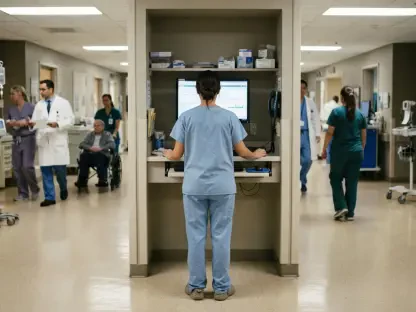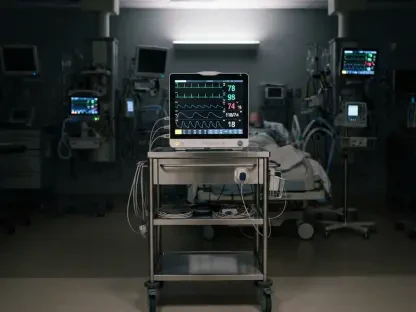
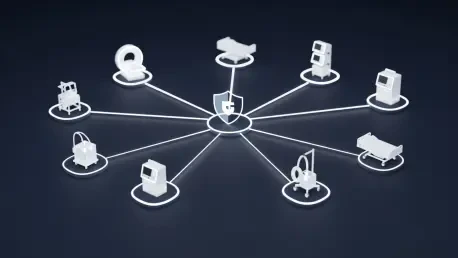
The convergence of sophisticated clinical robotics and ubiquitous wireless connectivity has irrevocably altered the fundamental definition of patient safety within the modern hospital environment. As medical technology becomes increasingly integrated into the Internet of Medical Things, the line

Imagine a patient navigating the complexities of post-operative recovery while simultaneously managing a chronic cardiovascular condition, only to find that their digital health fragments are finally coalescing into a single, intelligent interface. OpenAI has fundamentally altered the landscape of

Every time a consumer synchronizes a smartwatch, logs a menstrual cycle, or searches for specialized clinics, they leave behind a trail of digital breadcrumbs that remains largely unprotected by federal privacy standards. While the Health Insurance Portability and Accountability Act (HIPAA) has
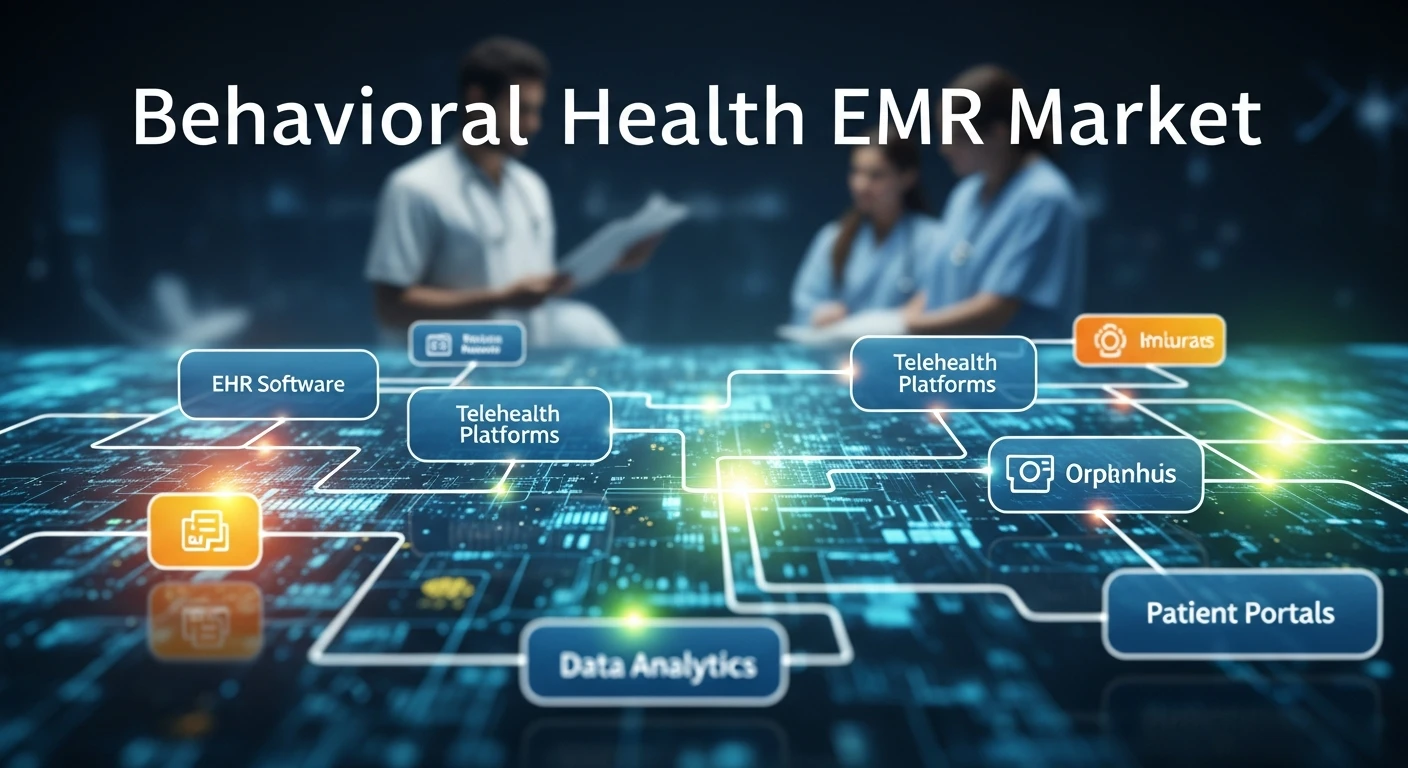
Asglobalhealthcaresystemsstruggletomeettheexponentiallyincreasingdemandforpsychologicalservicesandsubstanceabuseinterventions,theurgentneedforbehavioralhealthspecificelectronicmedicalrecordshasmovedfromanicheoperationalrequirementtoacentralstrategicimperativeforprovidernetworks. The current

The healthcare industry is currently wrestling with a profound erosion of trust in its own defensive capabilities, as recent data indicates that a mere fraction of security leaders feel genuinely prepared to withstand a sophisticated cyberattack. This crisis of confidence is not merely a

The sudden revelation of a sophisticated cyberattack targeting Craneware, a prominent provider of value cycle solutions, has sent shockwaves through the American healthcare sector, forcing administrators to confront the fragile nature of patient confidentiality. As hospitals increasingly rely on