The proliferation of sophisticated large language models has fundamentally altered the way individuals approach personal wellness, leading to a massive surge in medical inquiries directed toward digital interfaces rather than clinical professionals. As healthcare costs continue to climb and
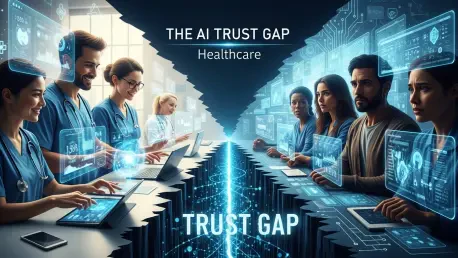
Healthcare systems are currently grappling with a significant trust deficit that threatens to sideline some of the most sophisticated diagnostic and administrative artificial intelligence tools ever developed. While technical specifications suggest these algorithms could revolutionize patient care
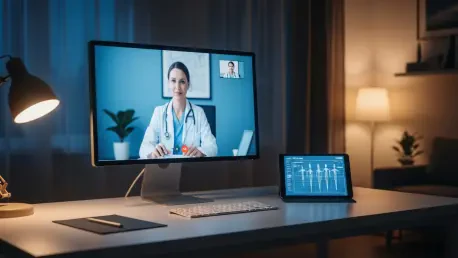
A sudden spike in a child’s temperature or an unexpected injury late at night often sparks a sense of panic that leads many families straight to the nearest emergency department. While these hospital wards are essential for life-threatening crises, they are frequently congested with cases that

The modern healthcare landscape is currently grappling with an administrative paradox where the rapid digitization of medical records has inadvertently created deep silos of inaccessible data. While clinical technologies have advanced at a breakneck pace, the underlying business operations still

Millions of individuals currently entrust their most intimate psychological burdens to mobile applications that promise a sanctuary of digital confidentiality and professional-grade security. These platforms, often marketed as accessible alternatives to traditional therapy, leverage a sophisticated
TheexposureofimmutablebiologicaldataatNYCHealthandHospitalsrepresentsaparadigmshiftincybersecurityrisks,movingbeyondreplaceablepasswordstopermanentpersonalidentifiersthatcannotberesetormodifiedoncecompromisedbyexternalactors. This massive security failure, affecting approximately 1.8 million