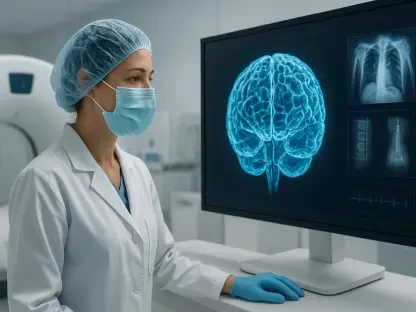

The recent arrival of high-profile global figures at the National Health Intelligence Centre in Rwanda signifies a profound shift from traditional philanthropic dependency toward a sophisticated, data-driven sovereignty. This movement is not merely a diplomatic milestone but represents a structural evolution in how a nation perceives and manages the well-being of its citizens through artificial intelligence and real-time monitoring. For the younger demographic, this specific moment serves as a definitive signal that the era of passive participation has ended. Young Rwandans are no longer expected to be just the beneficiaries of external aid; they are being called to serve as the primary architects of a digital health ecosystem that blends cutting-edge technology with the intricacies of local medical practice. Success in this new landscape requires a radical departure from conventional learning, demanding that youth embrace a role where they navigate the delicate balance between algorithmic precision and human-centric care.
The Infrastructure of a Digital Health Revolution
Building the Foundation: Data-Driven Care
The National Health Intelligence Centre functions as the sophisticated nervous system of Rwanda’s evolving healthcare landscape, aggregating vast streams of data from every corner of the country. From bustling urban medical centers to the most remote community health posts, every patient interaction and pharmaceutical transaction contributes to a unified digital map. This centralized repository integrates electronic medical records with local manufacturing outputs, allowing health officials to visualize real-time responses to infectious disease outbreaks and supply chain disruptions. For the youth, this infrastructure represents more than just a technological achievement; it is a fundamental change in the clinical paradigm. By viewing health through the lens of data-driven assets, the next generation can pivot from reactive emergency management to a model of proactive preparedness. This transition ensures that medical interventions are no longer based on historical estimates but on the immediate, tangible needs of the population.
Artificial intelligence serves as a powerful diagnostic and logistical catalyst within this digital framework, designed to amplify the capabilities of human practitioners rather than replace them. These algorithmic systems can process millions of data points to identify subtle patterns in disease transmission or suggest optimal resource allocation during seasonal health crises. However, the true efficacy of such tools depends on the ability of young professionals to maintain a focus on the ethical and cultural dimensions of care. Patient privacy, community trust, and the nuance of local customs are factors that a machine cannot fully interpret without human guidance. Young doctors and engineers must therefore approach AI as a collaborative partner that enhances decision-making speed and accuracy. By grounding technical innovation in the reality of human experience, these future leaders will ensure that the digital revolution remains a servant of the public good, maintaining the essential bond of trust between the caregiver and the patient.
Collaborative Systems: Enhancing Clinical Intelligence
The deployment of sophisticated machine learning models across the Rwandan health network requires a robust framework for continuous data validation and inter-agency cooperation. Young technicians are increasingly tasked with ensuring that the data fed into these systems is clean, representative, and free from the biases that often plague large-scale digital initiatives. This responsibility extends beyond the server room into the clinic, where the practical application of AI-generated insights is tested against the daily realities of patient care. By mastering the art of data curation, the youth are building a resilient foundation that supports both long-term health planning and immediate emergency responses. This level of technical oversight is crucial for maintaining the integrity of the national health system as it scales to meet new challenges. The resulting infrastructure provides a blueprint for how emerging economies can leapfrog traditional development hurdles by embracing digital sovereignty and local technical expertise.
Moreover, the integration of real-time analytics into the healthcare workflow allows for an unprecedented level of transparency and accountability across the entire medical sector. Clinicians can now monitor the effectiveness of treatments across different demographics with high precision, while policymakers can adjust national health strategies based on live feedback loops. For young professionals entering the field, this means that every decision is backed by a wealth of empirical evidence, reducing the reliance on anecdotal observations or outdated protocols. This shift fosters a culture of excellence and innovation where new ideas are rapidly prototyped and refined in a live environment. By participating in this dynamic process, the youth are not just learning how to use technology; they are learning how to lead a nation through a period of intense technological change. This collaborative approach ensures that the benefits of the digital health revolution are distributed equitably, reaching even the most underserved communities.
Navigating the Path: Interdisciplinary Mastery
Academic Convergence: Bridging Tech and Clinical Reality
The future of the medical sector in Rwanda is being redefined by those who possess the courage to dismantle traditional academic silos and embrace a truly multidisciplinary career path. In the current landscape, a data scientist who has never stepped into a hospital ward risks developing theoretical tools that crumble when faced with the chaotic reality of clinical practice. Conversely, a physician who lacks basic data literacy may find themselves unable to leverage the very systems designed to improve patient outcomes. There is an urgent and growing demand for a new class of “translators” who can speak the languages of both software engineering and public health. By fostering a collaborative environment where technical skills and clinical insights are treated as inseparable, the younger generation can build AI solutions that are both innovative and immediately applicable. This synergy is necessary to turn raw data into life-saving interventions, ensuring that every line of code serves a specific medical purpose.
To effectively navigate this intersection, young innovators must commit themselves to a rigorous roadmap of practical skill development that extends far beyond obtaining simple digital certifications. True mastery in this era requires a specialized focus on implementation science, which involves studying the complex methods used to integrate new technologies into existing clinical workflows. It is not enough to invent a new tool; one must understand how to deploy it without creating unforeseen bureaucratic bottlenecks or technical friction. This pursuit involves a deep dive into data ethics and the ability to define clear, evidence-based problem statements before attempting any technical implementation. Whether the challenge involves optimizing maternal healthcare delivery or streamlining malaria screening processes, the focus must remain on solving tangible community problems. By prioritizing the “how” of technology adoption, the next generation can ensure that Rwandan healthcare remains resilient and adaptable to the evolving needs of its diverse population.
Strategic Leadership: Sustaining Homegrown Innovation
The transition toward a technologically integrated healthcare system established a new standard for how Rwandan youth engaged with national development goals. These young leaders recognized that the successful deployment of artificial intelligence required a combination of technical rigor and a profound commitment to the social contract. They pursued specialized training in data governance and ethical design, ensuring that every digital tool respected the dignity of the individual patient. By prioritizing the integration of local knowledge with global technological standards, they created a resilient framework that remained effective even during periods of economic instability. Moving forward, the focus shifted toward scaling these domestic innovations to reach the most vulnerable populations, ensuring that no citizen was left behind by the digital tide. This collective effort transformed the nation into a hub of medical innovation, proving that the true power of a technological moment lay in the hands of those prepared to lead it with integrity.
Establishing a permanent culture of innovation required the youth to look beyond immediate technical successes and consider the long-term governance of their digital assets. They focused on creating sustainable local pipelines for talent, ensuring that the next wave of engineers and clinicians was prepared to take over the management of the National Health Intelligence Centre. By documenting their implementation strategies and sharing lessons learned with regional partners, Rwandan youth positioned their country as a thought leader in the global South. This proactive stance reduced the nation’s reliance on external consulting and placed the steering wheel of health policy firmly in local hands. As the system matured, the focus expanded to include the development of proprietary medical technologies that addressed specific regional genetic and environmental factors. These achievements demonstrated that when young people are given the tools and the responsibility to lead, they can build a future that is both technologically advanced and deeply rooted in the needs of their community.