
Leadership at Akido views artificial intelligence as a mechanism to automate data-heavy tasks, thereby allowing clinicians to prioritize human judgment and empathy during treatment. For years, the promise of digital transformation in medicine seemed to move practitioners further away from their patients, trapping them behind screens and buried under layers of administrative requirements. However, the current landscape in 2026 reveals a significant shift as specialized platforms begin to handle the heavy lifting of data synthesis and documentation. This evolution is not merely about speed; it is about reclaiming the sanctity of the consultation room. When diagnostic algorithms manage the initial screening of vast medical histories and laboratory results, the physician is no longer a data processor but a partner in health. The integration of advanced systems allows for a deeper exploration of the social determinants of health that go unnoticed during a rushed appointment, fostering a space where the patient feels truly heard and valued.
Bridging the Gap: The Transition from Data to Dialogue
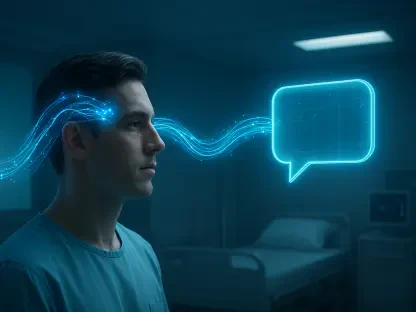
The deployment of ambient sensing technology has fundamentally altered the physical dynamic of the examination room, effectively removing the barrier of the keyboard. These systems, which utilize sophisticated natural language processing to document patient encounters in real-time, have liberated clinicians from the repetitive cycle of note-taking that formerly dominated their working hours. By 2026, healthcare facilities using these tools have reported a substantial decrease in the time physicians spend on electronic health record management, often redirecting those hours back into direct face-to-face interaction. This change ensures that the nuances of a patient’s tone, body language, and subtle concerns are captured by the clinician rather than lost in the noise of administrative documentation. The resulting data is more accurate and comprehensive, yet the process of gathering it has become invisible, allowing the human connection to take center stage and stay there for longer throughout the visit.
Beyond the immediate logistical benefits, the reduction of cognitive load through algorithmic support addresses the systemic issue of professional burnout that has long plagued the medical community. When a system provides concise summaries of pertinent medical literature or flags potential drug interactions automatically, the clinician can focus on the complex moral and emotional aspects of care. This shift facilitates a more sustainable practice model where providers have the mental bandwidth to engage in shared decision-making with their patients. In the current era of 2026 to 2028, the focus is increasingly on enhancing the joy of practice by stripping away the mundane tasks that lead to exhaustion and disillusionment. As these tools become more refined, they allow for a return to the foundational principles of medical ethics and patient-centered care. The result is a workforce that is not only more efficient but also more present, proving that technology can strengthen the professional bond.
Strategic Implementation: Practical Steps for the Modern Clinic
Successful integration of these tools required more than just software installation; it necessitated a complete cultural shift within medical organizations. Leaders found that the most effective implementations occurred when clinicians were involved in the design and customization of the tools they were expected to use. Training programs in 2026 began to emphasize the development of soft skills alongside technical proficiency, recognizing that as AI handled the technical tasks, the importance of communication and empathy increased. Health systems that prioritized interoperability—ensuring that different software platforms could share data seamlessly—saw the greatest improvements in patient outcomes and staff satisfaction. These organizations moved away from siloed data sets and toward a unified view of the patient, which in turn allowed for more holistic care. The investment was not merely in code, but in the people who utilized that code to improve lives and maintain quality throughout the process in the clinics.
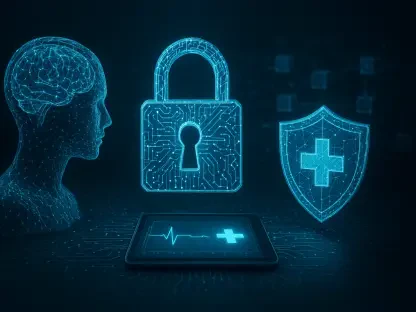
To move forward, stakeholders established clear ethical guidelines and transparency protocols to maintain patient trust as these systems became more prevalent. It was essential that medical boards and technology developers collaborated to ensure that the human remained the ultimate decision-maker in the diagnostic loop. This period demonstrated that the most successful healthcare models were those that used technology to amplify human capabilities rather than replace them. For future development, organizations prioritized refining the user interface to minimize distraction and maximizing the actionable nature of the data provided. By reviewing the progress made from 2026 to 2028, it became clear that the focus remained on the patient’s experience and the provider’s mental well-being. Looking ahead, the priority shifted toward creating even more seamless connections between disparate parts of the healthcare journey, from home monitoring to specialized surgical care and long-term recovery in the community.