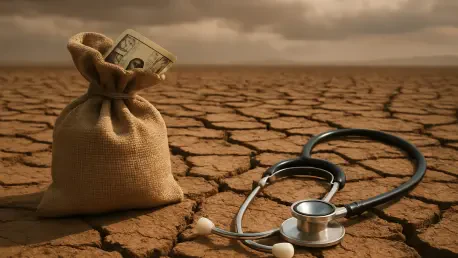

The economic toll of climate change is compounded by a lack of paid sick leave and health insurance for those most exposed to environmental hazards. As temperatures reach record highs and extreme weather events become the standard rather than the exception, the global financial response remains dangerously lopsided. Current data reveals that healthcare systems across the globe receive a mere one percent of total climate finance, leaving medical infrastructure largely undefended against the onslaught of thermal stress and infectious disease. At the COP31 summit, researchers highlighted that without a drastic reallocation of resources, hospitals will continue to struggle under the weight of rising patient admissions and structural damage. The disparity between the scale of environmental threats and the capital allocated to medical adaptation suggests a fundamental misunderstanding of public health as a pillar of climate resilience. Bridging this fiscal gap is no longer just a policy recommendation; it is a vital necessity for survival.
Rising Mortality: The Burden on Health Infrastructure
The direct correlation between rising global temperatures and human mortality has reached a critical juncture in 2026. The latest findings from the Lancet Countdown indicate that heat-related deaths reached approximately 710,000 annually, with a significant majority linked directly to human-induced climate change. This trend is projected to intensify from 2026 to 2028 as atmospheric conditions destabilize further. In Europe alone, excess mortality during the summer months has frequently exceeded 30,000 individuals, demonstrating that even advanced economies with robust infrastructure are not immune to the lethal effects of extreme thermal stress. The surge in heat waves places an unbearable burden on emergency services and intensive care units, which are often forced to operate beyond their designed capacity. These figures represent more than just statistics; they reflect a growing public health crisis that demands immediate attention and a fundamental shift in funding.
Beyond the immediate physical dangers, heat stress is creating a profound socioeconomic crisis for households in developing nations such as Bangladesh, India, Indonesia, and Nigeria. In these regions, laborers in the agriculture and construction sectors are currently losing an average of twenty or more working days each year because of hazardous outdoor conditions. This loss of productivity is not merely a macroeconomic concern; it translates to a direct loss of income for families who already live on the margins. For many of these individuals, the financial burden is doubled by rising out-of-pocket medical costs incurred when treating heat-related illnesses or injuries. Without the safety net of social insurance or workplace protections, these workers are forced to choose between their health and their livelihood. This cycle of vulnerability illustrates how climate change acts as a risk multiplier, deepening existing inequalities and making it difficult for communities to recover.
Ultimately, the international community recognized that the health consequences of climate change required a drastic pivot in financial strategy. Policymakers shifted the focus of global climate funds toward the resilience of medical infrastructure, prioritizing the protection of public health alongside traditional decarbonization efforts. They implemented new financing mechanisms that allowed developing nations to upgrade their clinics and hospitals, ensuring that these facilities remained operational during extreme weather events. Governments also expanded social safety nets, including universal health coverage and labor protections, to mitigate the economic impact on outdoor workers. By treating healthcare as a central component of climate adaptation, leaders secured both public safety and long-term economic productivity. These steps proved that a well-funded health system served as the most effective defense against the unpredictability of a changing environment for the long term.