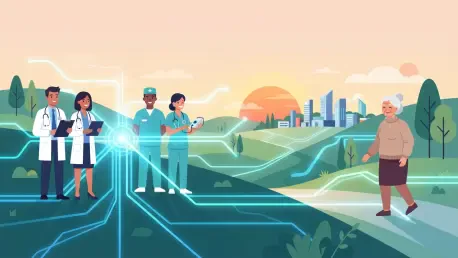

The formalization of community geriatric telemedicine aims to overcome the logistical hurdles that frequently delay timely medical attention for vulnerable senior citizens. As the nation navigates a significant demographic shift, the need for agile healthcare solutions has become paramount to support the growing number of individuals aged sixty-five and above. This transition is spearheaded by the CORTICAL© project, a research-led initiative that bridges the gap between conventional clinic visits and remote clinical oversight. The project acknowledges that for many seniors, physical mobility limitations and a lack of reliable transportation are not merely inconveniences but substantial barriers to wellness. By formalizing virtual consultations, the initiative ensures that the healthcare system remains resilient, allowing medical practitioners to reach patients in their homes. This strategic move toward digitalization reflects a commitment to maintaining high standards of care while adapting to the physical realities of the aging population.
Establishing Expert Consensus: Methodology and Refinement
The development of these guidelines was rooted in a structured communication technique known as the qualitative modified Delphi method. This approach was selected to synthesize the diverse perspectives of seventeen specialists, including family medicine experts and geriatricians, into a cohesive operational strategy. The initial phase focused on extensive online questionnaires designed to gather data on the best practices for managing older adults within public healthcare settings. By examining existing evidence-based management strategies, the researchers were able to identify the most critical clinical areas where telemedicine could provide the highest value. This iterative process ensured that the resulting framework was not based on arbitrary assumptions but on the collective professional wisdom of frontline providers who deal with these issues daily. The methodology prioritized a bottom-up approach, allowing clinicians to voice their concerns regarding resource allocation, which provided a realistic foundation for the subsequent stages of the project.
Following the collection of questionnaire data, the expert panel engaged in a series of virtual focus group discussions to refine the preliminary findings. These discussions were instrumental in addressing the nuanced infrastructural constraints that define the Malaysian healthcare landscape, particularly in rural or underserved areas. Participants scrutinized the practical applicability of each proposed guideline, ensuring that the recommendations remained flexible enough to accommodate varying levels of technological availability. This secondary phase allowed for a deeper exploration of the specific clinical needs of elderly patients, who often present with multiple comorbidities that require integrated management. By debating the merits of virtual versus in-person assessments, the researchers achieved a consensus that balanced modern technological capabilities with the necessity of rigorous medical oversight. The final output represented a set of standards that addressed the clinical realities faced by the national health services in the digital age.
Implementing the Shared-Care Model: Standards and Strategic Action
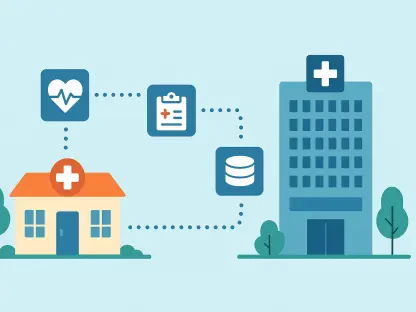
The finalized CORTICAL© framework encompasses seven core recommendations that serve as the fundamental pillars for delivering geriatric telemedicine services. These standards address vital aspects of the healthcare experience, including service eligibility criteria, the distinct roles of various medical professionals, and the specific clinical conditions most suitable for remote monitoring. A centerpiece of this model is the “shared-care arrangement,” which establishes a formal collaborative link between community-based family physicians and hospital-based specialized geriatricians. This structure creates a seamless pathway for patients, ensuring that their care is coordinated across different levels of the health system without the need for redundant travel. However, implementing this shift requires a localized understanding of digital literacy among senior citizens. Experts emphasized that telemedicine is a specialized tool requiring a rigorous patient selection process and continuous quality-monitoring measures to maintain safety and clinical efficacy.
The project concluded by establishing a strategic foundation that set the stage for the next phase of geriatric healthcare integration. Stakeholders identified several actionable milestones, such as the launch of regional pilot programs that tested these recommendations in real-world clinical environments. Medical administrators prioritized the development of training modules for healthcare staff to ensure that they possessed the necessary technical and clinical skills to manage virtual clinics effectively. Furthermore, the initiative mapped out a trajectory for incorporating longitudinal data collection into the platform to track long-term patient outcomes and cost-effectiveness. These steps ensured that the framework did not remain a theoretical exercise but became a catalyst for systemic change. By bridging the gap between primary and secondary care, the team created a sustainable model that addressed the immediate needs of the elderly while providing a roadmap for the future evolution of national health services.