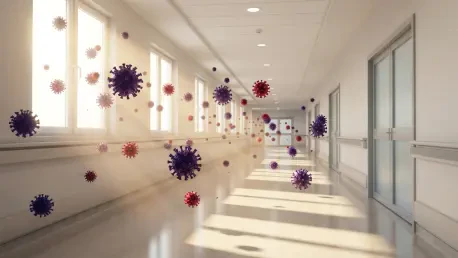

While the 72-hour window for post-exposure vaccination has closed for some, secondary antibody treatments remain a viable intervention for vulnerable populations until October 23. The recent measles exposure at WVU Medicine Wheeling Hospital on October 17 involved an out-of-state patient who subsequently tested positive for the virus, leading the Wheeling-Ohio County Health Department and hospital management to initiate an extensive contact tracing operation. Because the virus is known to linger in the air long after an infected individual has departed, the potential for exposure extended to every person who entered the emergency department during the specified window. Public health officials emphasized that even individuals who did not have direct contact with the patient might still be at risk due to the highly transmissible nature of the disease. This situation underscores the importance of a rapid community response and reinforces the necessity for any individuals present at the facility to remain vigilant regarding their health status as the incubation period unfolds over the coming weeks.
Assessing the Threat and Viral Transmission
Understanding the Mechanics: Airborne Contagion and Survival
The measles virus is documented by medical researchers as one of the most infectious pathogens currently affecting human populations. Its primary mode of transmission involves respiratory droplets and aerosolized particles that are expelled when a carrier coughs or sneezes. A significant factor in the spread of measles is the ability of these microscopic particles to remain suspended in the air and maintain their infectious potential for up to two hours. This environmental persistence means that the physical absence of an infected person does not eliminate the risk for those entering a shared space shortly thereafter. Historical data from the Centers for Disease Control and Prevention indicates that nearly nine out of ten individuals who lack immunity will contract the virus if they are exposed to these airborne particles. This high secondary attack rate makes measles a significant concern for public health departments tasked with containing localized outbreaks while ensuring that the broader population remains protected through established safety measures.
Monitoring the Clinical Timeline: Symptoms and Incubation
Clinical monitoring for those exposed at Wheeling Hospital is scheduled to continue through November 7, reflecting the standard twenty-one-day maximum incubation period associated with the virus. The early stages of the illness, often referred to as the prodromal phase, typically present as a combination of high fever, persistent coughing, and conjunctivitis, which involves red and watery eyes. A critical challenge for containment is that individuals become contagious approximately four days before the characteristic red rash begins to appear on the skin. This window of asymptomatic transmission frequently leads to the inadvertent spread of the virus within families and social circles. Once the rash does manifest, it usually starts at the hairline and moves downward to cover the rest of the body. Health professionals advise that anyone experiencing these specific symptoms should avoid public areas to prevent the risk of sparking further clusters of infection until they have received a definitive diagnosis from a qualified provider.
Managing Health Risks and Protective Actions
Protecting Vulnerable Populations: Severe Complications and Risks
While often perceived by the general public as a mild illness, measles can lead to severe and sometimes permanent medical complications. Pneumonia is recognized as the most frequent cause of death related to measles in pediatric cases, while encephalitis—a condition involving the swelling of the brain—can result in lasting neurological deficits or hearing loss. Certain demographics are statistically more likely to experience these extreme outcomes, particularly children under five years of age and adults over twenty. Pregnant women also face heightened risks, as the infection can lead to premature labor or low birth weight in newborns. Furthermore, individuals with compromised immune systems are at a distinct disadvantage when fighting the virus. Medical experts recommend that any person who has been exposed and subsequently develops signs of respiratory distress, acute confusion, or seizures should seek emergency medical evaluation to manage these critical complications and prevent the long-term damage that may occur.
Utilizing Preventive Strategies: Vaccination and Antibody Treatments
The Measles, Mumps, and Rubella vaccine provided the most reliable protection throughout the current 2026 health cycle, with two doses achieving a ninety-seven percent efficacy rate in the general population. For individuals involved in the Wheeling exposure, immune globulin was offered as a critical secondary defense for those who missed the initial vaccination window. This antibody treatment served to reduce the severity of the disease or prevent its onset entirely when administered within six days of contact. Public health officials advised that anyone suspecting an infection should call medical facilities in advance to ensure proper isolation protocols were in place. By the middle of October, the national case count reached over four thousand across nearly fifty jurisdictions, highlighting the persistent threat posed by airborne pathogens. This event demonstrated that consistent immunization and proactive communication between hospitals and the public remained the most effective tools for maintaining community safety during an active outbreak.