
The sudden lockout of a hospital's emergency database can mean the difference between life and death in a matter of minutes, turning a routine shift into a chaotic race against digital extortion. Maintaining the high availability of data for quality medical care necessitates a defense-in-depth

Clinicians often face significant administrative burdens that the new AI copilot tools aim to reduce, allowing for more focus on direct patient relationships. For years, the integration of advanced technology into clinical workflows remained a promise rather than a reality, but the landscape is

Wearable patches and biosensors allow the elderly to remain in their homes while staying under the constant digital eye of medical professionals, fundamentally altering the relationship between patients and their healthcare providers. This technological evolution marks a definitive departure from
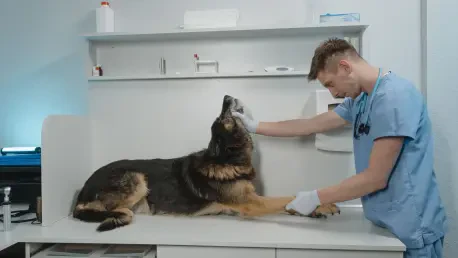
Machine learning applications in veterinary medicine are transitioning from experimental concepts to practical tools for identifying canine mast cell tumors. This evolution is prominently displayed through the 19th annual Summer Veterinary Student Research Program at the Virginia-Maryland College
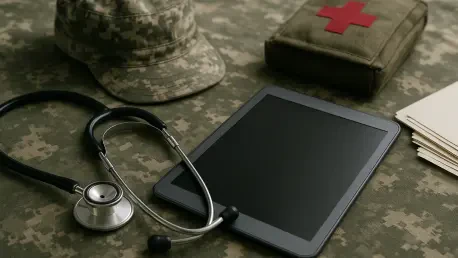
The Defense Health Agency is focusing on reducing lost-duty days for service members by ensuring that medical data remains accessible from the point of injury to long-term recovery. This objective marks the definitive arrival of what experts are now calling the Post-EHR Era, a phase where the

Investing in cloud strategy and secure integration is more vital for long-term ROI than simply selecting the latest generative language model. The healthcare industry is currently undergoing a pivotal transformation where the focus is shifting from the linguistic capabilities of artificial