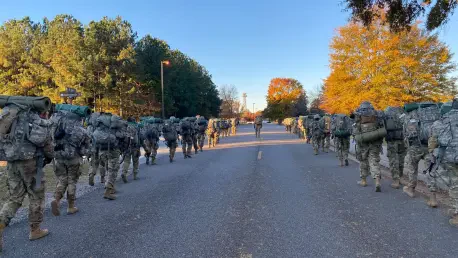

The Army’s Holistic Health and Fitness initiative focuses on the ‘Whole Soldier’ to ensure that personnel are resilient both during and after their military careers. This paradigm shift marks a departure from traditional training models that prioritized physical endurance and tactical proficiency in isolation. In the current operational landscape of 2026, the military views health as the most valuable asset of the fighting force, moving beyond the simple metrics of a fitness test to embrace a more nuanced understanding of human performance. By integrating physical, mental, and spiritual wellness into a single, cohesive strategy, the Army addresses the multifaceted challenges faced by service members. This holistic approach ensures that readiness is not just a temporary state achieved for a deployment, but a sustainable way of life that protects the individual and the mission. As the complexities of modern warfare evolve, the focus on individual well-being provides a critical advantage in maintaining a lethal and durable force.
Establishing the Physical Foundation of the Force
Physical health serves as the essential baseline for all military performance, yet it is now viewed through a more sophisticated lens than simple fitness scores. Under the Holistic Health and Fitness initiative, the emphasis has moved toward purposeful routines that prioritize sustainable, everyday habits. This shift encourages Soldiers to set small, manageable goals and maintain consistent schedules to ensure they are always prepared for the physical demands of their Military Occupational Specialty. Experts argue that high-level performance is built on the back of small, sustainable habits rather than sporadic bursts of intense activity. By identifying specific goals and assigning strict times for execution, the Army fosters a culture of discipline that extends into every aspect of a Soldier’s life. This proactive method ensures that personnel are not merely reacting to fitness requirements but are living in a state of constant readiness, reducing the risk of chronic injury over time.
Optimizing Performance: Specialized Support Strategies
A critical component of this physical pillar is the integration of multidisciplinary experts who provide specialized support to every unit. Registered dietitians, occupational therapists, and dedicated trainers work together to optimize factors like nutrition and sleep, which were historically overlooked in favor of purely aerobic training. Recognizing that seven to nine hours of quality sleep is vital for cognitive function and physical repair, the Army treats recovery and professional health maintenance as just as important as high-intensity training sessions. This structured support system allows Soldiers to access expert advice on how to fuel their bodies and rest their minds effectively. By placing these specialists directly within the units, the Army ensures that professional guidance is accessible and relevant to the specific needs of each service member. This decentralized approach to health management empowers individuals to take ownership of their physical state, creating a more resilient foundation.
Prioritizing Mental Resilience and Mission Lethality
Mental health is increasingly viewed as a standard requirement for mission lethality rather than an afterthought or a reactive measure. The Army’s strategy focuses on building psychological resilience to help Soldiers navigate the unique stressors of military service and maintain cohesive units under pressure. Military medical experts emphasize that a Soldier’s psychological state directly impacts their capacity to perform duties safely and effectively. Mental wellness is not merely the absence of illness but the presence of the strength required to overcome challenges in high-stakes environments. By framing mental health as a proactive necessity, leadership aims to ensure that every service member possesses the inner fortitude to remain effective during long deployments or intense training cycles. This shift in perspective aligns mental fitness with physical readiness, treating the mind as a critical weapon system that requires regular maintenance and professional care to function at its peak.
Integrated Care: Implementation in Embedded Clinics
To make this support more accessible, the military has implemented embedded mental health clinics directly within brigades to reduce the stigma associated with seeking help. Placing resources like Military Family Life Counselors and crisis lifelines in close proximity to the Soldiers’ working environment normalizes psychological maintenance. This structure ensures that seeking assistance is seen as a sign of strength and a vital part of maintaining a prepared and durable force. The presence of these clinics allows for immediate intervention and ongoing support, keeping Soldiers connected to their units and their missions while they address psychological concerns. Furthermore, the availability of 24/7 resources like the 988 Suicide and Crisis Lifeline provides a constant safety net for those in need. By integrating mental health services into the daily fabric of Army life, the organization dismantles the barriers to care that once hindered readiness. This environment fosters a culture where Soldiers feel empowered.
Cultivating Spiritual Health and Core Convictions
Spiritual health provides the underlying platform for a Soldier’s identity, offering a sense of purpose and core conviction that anchors them during difficult times. Unlike physical fitness, which can fluctuate based on injury or age, spiritual well-being is rooted in a person’s values and their connection to a broader community. Military chaplains and religious support offices play a key role in fostering this sense of belonging, helping service members find meaning in their service and personal lives. Experts describe spiritual health as the foundation upon which all other pillars are built, providing the inner strength necessary to endure the inherent hardships of military duty. This aspect of wellness focuses on the “why” behind the service, connecting daily tasks to a larger mission or set of beliefs. When a Soldier has a clear sense of purpose, they are more likely to exhibit resilience in the face of adversity. Strengthening this pillar involves exploring personal ethics and finding a community.
Fostering Community: Preventing Soldier Isolation
When the physical, mental, and spiritual pillars are fully integrated, they create a unified state of total readiness that protects against the dangers of isolation and burnout. The Army’s investment in these skills represents a proactive shift toward preventing crises before they occur rather than simply reacting to them after damage is done. Relationship issues, financial troubles, and the separations inherent in military life can erode spiritual well-being if left unaddressed. Therefore, finding a team of supportive peers or a religious community is vital for maintaining this inner strength. The Religious Support Office and installation chaplains serve as primary resources for finding this sense of connection and belonging. Ultimately, by nurturing the whole person, the military ensures that its Soldiers are not only ready for the mission today but are also equipped for long-term success and quality of life. This interconnected approach recognizes that a deficiency in one area can negatively impact every other aspect.
Advancing Future Readiness: Sustainable Wellness Models
The Army’s comprehensive transition to a holistic health model proved to be a transformative shift in how readiness was defined and maintained. By prioritizing the “Whole Soldier” through the ##F initiative, the institution successfully moved away from reactive healthcare toward a proactive system of total wellness. To continue this progress, service members should actively engage with the multidisciplinary teams available within their units, treating nutritional and sleep consultations with the same rigor as tactical training. Leadership must prioritize the scheduling of recovery periods to ensure that the emphasis on sleep and mental health is not just theoretical but practiced in the field. Moving forward, the integration of digital health tracking and personalized wellness plans will likely provide even more granular insights into force readiness. Future initiatives should focus on expanding the reach of embedded clinics to even the most remote training sites, ensuring that no Soldier is left without the resources needed.