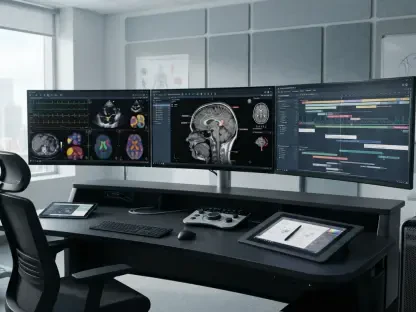

Munich-based startup Calliora has secured six million dollars to deploy artificial intelligence aimed at fixing the fragmented documentation systems plaguing German clinics. This financial injection comes at a pivotal moment as the medical infrastructure across Germany grapples with mounting debt and inefficient administrative overhead. For many facilities, the current manual approach to medical coding is becoming unsustainable, leading to significant revenue leakage and frequent disputes with health insurance providers. The startup’s platform intends to serve as a bridge between clinical care and financial accuracy, ensuring that every procedure performed is correctly recorded and billed. As hospital administrators look for ways to mitigate the high error rates that currently plague the system, this new technology offers a potential lifeline. By automating the extraction of billing codes from unstructured physician notes, the system reduces the burden on overworked medical staff and helps secure the institution’s fiscal future.
The Regulatory Cliff: Navigating the New Statutory Audit Standards
The pressure on the German healthcare sector is intensifying as a regulatory deadline approaches, creating a situation many industry experts describe as a looming cliff. Under the recently enacted statutory health insurance laws, the year 2027 will mark a dramatic shift in how medical audits are conducted across the country. Currently, health insurers only audit a small fraction of hospital invoices, but the new regime will tie audit frequency directly to a facility’s billing accuracy. If a hospital maintains an error rate exceeding thirty-five percent, it could see its audit rate jump to forty percent of all claims. More alarmingly, if over half of the submitted invoices are found to be flawed, insurers will have the authority to audit every single claim. For a sector where a vast majority of institutions already reported significant financial losses over the past year, the administrative cost of managing such intense scrutiny could lead to widespread closures.
Navigating these tightening regulations requires a fundamental rethinking of how clinical data is transformed into financial claims. The financial health of these institutions is currently tethered to antiquated, siloed systems where doctors and nurses must spend hours on paperwork rather than patient care. This manual burden often results in documentation gaps, where complex treatments are either omitted or incorrectly categorized. When insurers identify these discrepancies, they frequently withhold payments or demand extensive proof, creating a cycle of administrative friction that drains hospital resources. By the time 2027 arrives, the margin for error will essentially vanish, making automated solutions a necessity rather than a luxury. This transition reflects a broader trend in European healthcare where fiscal sustainability is being linked to technological proficiency. Every diagnostic code must be supported by a medical record to survive the increasingly punitive landscape.
Intelligent Integration: Transforming Clinical Data Into Financial Accuracy
To address these systemic vulnerabilities, the newly funded platform operates as a sophisticated digital overlay that sits directly on top of existing hospital information systems. It streamlines the entire process from the moment a patient is admitted to the final settlement of the bill, known in the industry as the case-to-cash pipeline. Often, billing errors arise because clinical data is fragmented across various software tools used by different departments. The AI-driven solution solves this by integrating clinical documentation with medical coding and audit procedures in real-time. By analyzing physician notes and nursing reports as they are created, the system identifies missing data or uncoded diagnoses immediately. This allows for corrections to be made before an invoice is ever generated, drastically reducing the likelihood of a future audit dispute. This proactive approach ensures that the financial representation of medical work is accurate.
In the wake of these developments, hospital administrators recognized that maintaining the status quo was no longer a viable strategy for long-term operations. They prioritized the integration of automated documentation tools to ensure their facilities remained compliant with the stringent 2027 audit requirements. This proactive stance allowed clinical teams to recover hundreds of hours previously lost to clerical tasks, redirecting those resources toward improving patient outcomes and staff retention. The successful deployment of AI-driven billing layers demonstrated that technological intervention was the most effective way to stabilize the healthcare system’s financial core. Moving forward, the focus shifted toward expanding these capabilities into other areas of management, such as supply chain optimization. By securing the billing process first, medical institutions built a foundation of financial predictability that enabled further investment in cutting-edge technology.