
The boutique medical office model provides a viable path for physicians who want to spend more time investigating ailments rather than rushing through a heavy daily caseload. In the current landscape of 2026, the traditional insurance-based system often forces practitioners to prioritize volume
The integration of AI into personal health management is largely driven by a segment of 47% of users who find the information provided by these tools to be extremely or very helpful. This shift represents a fundamental change in how the American public interacts with the medical establishment,

The discovery of a data breach affecting the SickKids Foundation and Boomerang Health clinic illustrates the wide-reaching impact of a single third-party vulnerability. This intrusion, which bypassed the primary clinical defenses of the world-renowned Toronto institution, highlights a sophisticated
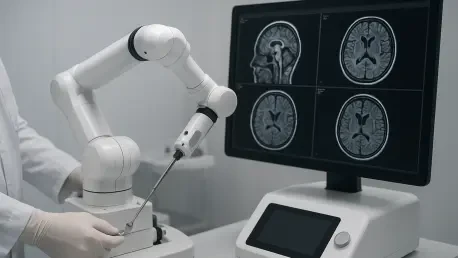
The Food and Drug Administration has launched a public inquiry to determine how generative artificial intelligence, which creates open-ended outputs, can be safely integrated into clinical software. As medical facilities across the United States rapidly adopt these sophisticated tools for

The Department of Health’s strategic framework is built upon four pillars including prevention, world-class quality of care, innovation, and strengthened preparedness to ensure long-term systemic resilience. This paradigm shift represents a move toward a proactive, precision-based system that

Clinicians are leveraging virtual platforms to provide detailed training on injection techniques, ensuring that patients can safely handle delivery devices and medication storage at home. This shift represents a fundamental transformation in the management of hormone-receptor-positive breast