
For many men and women returning from active duty, the most persistent battle they face is not on a distant field but within the intricate neural pathways of their own minds where chronic migraines manifest as a relentless and debilitating force. Unlike the transient discomfort of a standard tension headache, these episodes bring a devastating combination of sensory overload, nausea, and visual distortions that can paralyze even the most disciplined individual for hours or days at a time. The prevalence of this condition among the veteran population is disproportionately high, with nearly fifteen percent of former service members reporting frequent, severe migraine attacks that interfere with their post-military careers and family lives. This statistical anomaly is rarely a coincidence; rather, it is frequently the direct result of physical traumas sustained during service, ranging from the concussive force of high-pressure blasts to the cumulative neurological toll of traumatic brain injuries. When these physical injuries intersect with the physiological stressors of Post-Traumatic Stress Disorder, the resulting neurological landscape becomes hyper-sensitized to pain. This environment requires more than just traditional symptom suppression; it demands a sophisticated understanding of how the brain processes pain signals after being subjected to the extreme rigors of military life. The shift toward specialized medical attention is not merely a clinical preference but a necessity for those whose nervous systems have been fundamentally altered by their time in uniform.
The Impact of Military Culture on Pain Suppression
A significant barrier to effective migraine treatment remains the “warrior ethos” that is deeply ingrained in military culture, where individuals are trained to prioritize the mission and push through physical discomfort at all costs. This mindset, while essential for survival in combat environments, often leads to the long-term suppression of pain symptoms that would otherwise signal the need for medical intervention. Veterans frequently view their neurological symptoms as a sign of weakness or a liability, leading them to hide the severity of their attacks from both their peers and their healthcare providers. By the time these individuals seek help, the condition has often progressed significantly because the underlying neurological triggers were ignored during the early stages of the disease. This culture of silence creates a delayed treatment cycle where the brain’s pain-processing systems become increasingly hyper-reactive over time, making eventually-sought treatments less effective than they might have been if administered sooner. The psychological pressure to maintain a facade of peak physical readiness prevents many from accessing the specialized care that is now available, leaving them to suffer in isolation while their quality of life steadily declines under the weight of an invisible but heavy burden.
This tendency to “tough it out” frequently drives veterans toward the excessive use of over-the-counter pain medications as a primary means of managing their symptoms in private settings. While these medications provide temporary relief, their frequent and unmonitored use can trigger a secondary condition known as “rebound headaches,” creating a vicious cycle where the treatment itself causes more frequent and severe attacks. This medication-overuse headache often transforms episodic migraines into a chronic, daily struggle, further complicating the clinical picture for neurologists who must then untangle the effects of the medication from the original neurological disorder. Many veterans find themselves trapped in this self-medication cycle for years before realizing that their reliance on pills is actually exacerbating their neurological sensitivity. By the time they reach a specialist at a dedicated clinic, the transition from episodic to chronic migraine is complete, requiring a much more intensive and multifaceted approach to break the cycle of pain. Breaking this pattern requires a cultural shift within the veteran community that validates neurological health as a critical component of overall mission readiness and long-term well-being, rather than a secondary concern to be ignored.
Remote Electrical Neuromodulation: A Bioelectronic Revolution
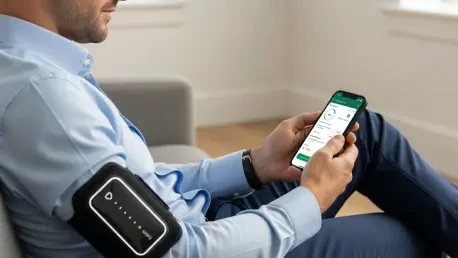
The emergence of wearable technology has introduced a non-pharmacological alternative that is fundamentally changing how veterans manage migraine attacks through a process known as Remote Electrical Neuromodulation. The Nerivio device, an FDA-cleared wearable, is worn on the upper arm and utilizes sub-painful electrical stimulation to activate the body’s natural pain-regulation mechanisms. These electrical signals travel through the peripheral nerves to the brainstem, triggering the release of neurotransmitters that effectively inhibit pain signals throughout the entire central nervous system. This bioelectronic approach is particularly appealing to the veteran community because it addresses the neurological “miscommunication” at the source rather than simply masking the sensation of pain with chemicals. By leveraging the brain’s inherent ability to regulate its own pain response, this technology provides a targeted intervention that bypasses the digestive system and the bloodstream entirely. This method of treatment represents a departure from traditional medicine, moving toward a model where technology and biology work in tandem to restore neurological balance without the systemic risks associated with long-term pharmaceutical use.
The integration of digital health tools allows this device to be controlled via a smartphone app, providing a level of discretion and personalization that was previously unavailable in migraine therapy. Veterans can initiate a 45-minute treatment session at the first sign of an attack, allowing them to remain active in their daily environments without the debilitating “fog” or drowsiness often caused by heavy sedative medications. This portability is crucial for former service members who are transitioning back into the civilian workforce or pursuing higher education, as it allows them to manage their condition without drawing unwanted attention or experiencing significant downtime. The app also functions as a sophisticated tracking tool, recording the frequency and intensity of attacks to provide data-driven insights that can be shared with healthcare providers during follow-up visits. This high-tech integration empowers patients to take a more active role in their own recovery, transforming them from passive recipients of medication into informed managers of their neurological health. The ability to treat an attack discreetly and effectively on-the-go is a significant advancement that addresses both the physical and social challenges associated with chronic migraines in the post-military landscape.
Navigating the Veterans Affairs Specialized Headache Centers
The Department of Veterans Affairs has responded to the growing need for specialized neurological care by expanding its network of Headache Centers of Excellence to twenty-seven sites across the United States. This institutional expansion reflects a major commitment to providing veterans with access to the latest advancements in migraine science, with a particular focus on reducing the historical reliance on opioids and other habit-forming substances. These centers are staffed by interdisciplinary teams of neurologists, physical therapists, and psychologists who work together to create comprehensive treatment plans tailored to the unique needs of the veteran population. Within these specialized environments, the use of wearable neuromodulation technology is becoming an increasingly common recommendation for those who have not found success with standard therapies. The VA’s shift toward these non-pharmacological options is part of a broader strategy to address the complex co-morbidities that often accompany migraines, such as sleep disorders and chronic stress. By centralizing this expertise, the VA is attempting to set a new standard for how chronic pain is managed in a population that has been historically underserved by traditional general practice medicine.
Despite the growth of these specialized centers, a significant “awareness gap” remains between the cutting-edge treatments available at top-tier facilities and the routine care provided at smaller, regional clinics. Many veterans are not informed about wearable technology or advanced bioelectronic options during their standard primary care visits, leading to a situation where access to the best care depends largely on the patient’s own level of self-advocacy. This inconsistency within the system means that success often hinges on a veteran’s ability to research emerging technologies and specifically request referrals to neurological specialists who are familiar with the latest advancements. Consequently, while the resources exist within the broader VA framework, the path to obtaining them can be complex and requires a proactive approach from the patient and their family. Advocacy groups and veteran organizations have begun to play a larger role in bridge this gap by educating the community about their rights to specialized care and the availability of non-drug alternatives. As the VA continues to modernize its approach, the goal is to ensure that every veteran, regardless of their location, has the opportunity to benefit from the same high level of technological innovation and clinical expertise.
Safety Profiles and the Reduction of Systemic Side Effects
For veterans who have struggled with the side effects of traditional migraine preventatives, such as extreme fatigue, weight gain, or cognitive impairment, wearable technology offers a superior safety profile. Many of the oral medications prescribed for chronic migraines were originally designed for other conditions, such as epilepsy or high blood pressure, and their systemic nature means they affect every organ system in the body. In contrast, neuromodulation is a localized, non-invasive intervention that does not introduce foreign chemicals into the bloodstream, making it a safer option for those who are already managing multiple service-connected health conditions. This is particularly important for veterans who may be taking several different prescriptions for physical injuries and mental health support, as it eliminates the risk of dangerous drug-to-drug interactions. By choosing a bioelectronic solution, patients can avoid the “polypharmacy” trap where they end up taking additional medications simply to manage the side effects of their primary treatments. This reduction in the overall “pill burden” significantly improves long-term health outcomes and allows for a more focused and manageable recovery process.
The comparative risks of more invasive procedures, such as Botox injections, nerve blocks, or surgical nerve ablation, further highlight the benefits of wearable neuromodulation for the veteran community. While these procedures can be effective for some, they carry inherent risks ranging from localized muscle weakness and infection to permanent nerve damage or the development of scar tissue. Furthermore, invasive treatments often require frequent clinic visits and specialized administrative procedures that can be difficult for veterans living in rural areas to maintain consistently. Wearable devices, on the other hand, provide a flexible and repeatable treatment option that can be utilized in the comfort of one’s own home without the need for needles or surgical recovery time. Clinical studies have shown that when these devices are used early in the onset of an attack, they can effectively halt the escalation of pain before it reaches a debilitating level. This preventive capacity, combined with the lack of serious side effects, makes wearable tech a vital tool for those seeking to regain control over their daily schedules and long-term neurological health without compromising their safety or physical integrity.
Strategic Shifts in Long-Term Neurological Health Management
Recent developments in clinical practice demonstrated that the most effective way to manage chronic migraines in the veteran population was through the integration of targeted bioelectronic treatments within a broader, holistic care model. Researchers found that using electrical impulses to recalibrate the brain’s response to pain addressed the underlying neurological dysfunction more effectively than traditional chemical numbing. This shift suggested that the nervous system, which communicates through complex electrical signals, responded more favorably to interventions that mimicked its own language. The adoption of these technologies proved that a patient-centric approach, which empowered individuals to manage their symptoms in real-time, led to significantly higher levels of treatment adherence and overall satisfaction. By focusing on the bioelectronic nature of the brain, medical professionals were able to offer a path toward recovery that respected the physical history of the veteran while utilizing the most advanced tools of the current era. This methodology moved away from a one-size-fits-all pharmaceutical strategy and toward a personalized medical journey that prioritized the restoration of function and the preservation of long-term cognitive health.
The successful implementation of wearable technology in the veteran community established a new framework for treating invisible injuries that resulted from military service. It was concluded that the combination of innovative hardware, such as the Nerivio device, and proactive patient self-advocacy allowed many individuals to reclaim lives that had been previously overshadowed by the threat of constant pain. Moving forward, the focus remained on expanding access to these tools and ensuring that the transition from military to civilian life included a comprehensive plan for neurological wellness. The insights gained from these technological advancements provided a roadmap for treating other chronic pain conditions, suggesting that bioelectronics would continue to play a central role in the future of rehabilitative medicine. For the veterans who transitioned to these new methods, the results were more than just a reduction in headache frequency; they represented a restoration of independence and a renewed ability to engage with the world on their own terms. The progress made in this field confirmed that while the injuries of war may be deep and complex, the tools available to treat them have finally begun to match the resilience of those who serve.