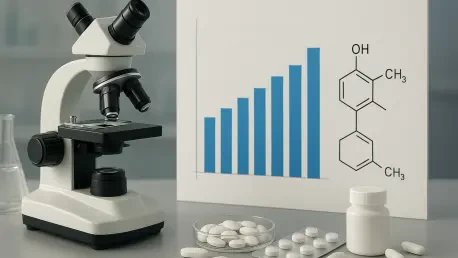
Competitive pressures and urgent patient needs are demanding faster development cycles, making the way analytical data is gathered a potential bottleneck or catalyst. In the current pharmaceutical landscape, analytical science has transitioned from a background support function into a primary
High-ranking officials at Roche have characterized the current German policy environment as a barrier to the capital-intensive research required for medical breakthroughs. The global pharmaceutical industry is undergoing a radical transformation as companies move away from traditional European

The sudden shift of bioactive peptides from sterile laboratory settings to the bathroom cabinets of fitness enthusiasts marks a radical departure in how the public perceives pharmaceutical intervention and personal health optimization. In the current landscape of 2026, these short chains of amino
Computational modeling tools now allow pharmaceutical chemists to predict which molecular structures are most likely to form harmful nitroso groups. This capability marks a significant departure from the reactive atmosphere following the 2018 discovery of N-nitrosodimethylamine (NDMA) in
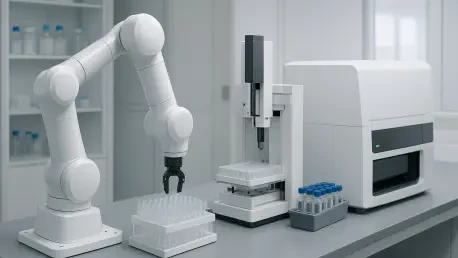
The ability to synthesize over twenty different complex natural products without human intervention marks a significant shift in the future of laboratory operations. For decades, the pharmaceutical industry has grappled with a frustrating disparity between the speed of computational drug discovery

Developing highly selective inhibitors for underexplored cyclin-dependent kinases represents a new frontier in treating malignancies that have become resistant to traditional therapy. The Vall d’Hebron Institute of Oncology (VHIO) has positioned itself at the vanguard of this transformative era,