
Developing highly selective inhibitors for underexplored cyclin-dependent kinases represents a new frontier in treating malignancies that have become resistant to traditional therapy. The Vall d’Hebron Institute of Oncology (VHIO) has positioned itself at the vanguard of this transformative era, bolstered by a significant €32.4 million investment from the ”la Caixa” Foundation. This initiative was specifically designed to bridge the gap between initial laboratory discoveries and their practical application in clinical settings, ensuring that breakthroughs reach patients as quickly as possible. By focusing on high-impact projects, VHIO addresses some of the most complex challenges in modern healthcare, particularly in the realm of precision medicine and drug delivery. The integration of advanced diagnostics and targeted therapies represents a shift away from generalized treatments toward solutions tailored to the unique genetic profile of every individual, maximizing both safety and patient outcomes.
Targeting Aggressive Cancers: Selective Inhibitors and Mechanisms
One of the most promising avenues of research currently being pursued at VHIO is the neoCDK project, led by Dr. Marcos Malumbres. This initiative specifically targets hepatocellular carcinoma, an aggressive form of liver cancer known for its high mortality rates and its tendency to develop resistance against standard treatments. The scientific core of this project lies in identifying specific proteins called cyclin-dependent kinases that are vital for the survival of tumor cells. By focusing on these underexplored kinases, the research team identified a compound that effectively stops cancer cells from spreading even at remarkably low concentrations. This precision approach causes direct DNA damage within the tumor while sparing healthy surrounding tissue, offering a more effective and less toxic alternative to traditional therapies. The discovery represents a major milestone in the quest to find vulnerabilities in cancers that have previously been deemed almost untreatable.
The potential applications for these highly selective inhibitors extend far beyond liver malignancies, offering hope for patients with other difficult diseases. While the current focus remains on optimizing the chemical compound for upcoming clinical trials, the underlying science suggests that the same mechanism could be adapted to treat glioblastoma and small-cell lung cancer. By refining the chemical structure of these inhibitors and testing them in rigorous biological models, VHIO aims to establish a new gold standard for treating tumors that have historically been resistant to conventional medical interventions. This methodology underscores the importance of precision in drug development, where the goal is to hit the target with surgical accuracy. As the project moves into its next phase, the focus will be on navigating the complex regulatory pathways required to transition these laboratory successes into a clinical reality that can prolong the lives of countless patients worldwide.
Revolutionizing Diagnostics: Advanced Genomics and Nanotechnology
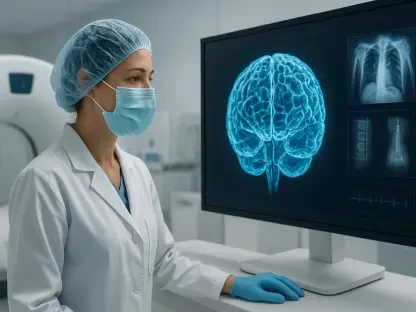
Precision oncology relies heavily on the ability to identify specific genetic vulnerabilities within a tumor, such as Homologous Recombination Deficiency. This condition makes certain cancer cells particularly susceptible to targeted drugs known as PARP inhibitors, yet the current diagnostic landscape is fraught with logistical and biological limitations. Often, identifying these markers requires high-quality tissue samples that are difficult to obtain or contain insufficient material for a comprehensive analysis. To address this bottleneck, Dr. Ana Vivancos is leading a project aimed at simplifying the diagnostic process through the development of a tool that utilizes both traditional tissue samples and non-invasive liquid biopsies. This innovation is designed to be significantly faster and more cost-effective than existing methods, allowing oncologists to identify critical genetic markers even when tumor material is scarce or difficult to access through surgical procedures.
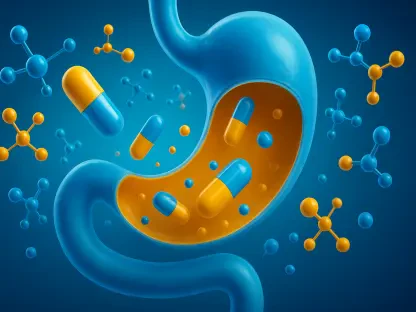
Another groundbreaking project at VHIO addresses the physical challenges associated with treating rare and devastating cancers like Pseudomyxoma peritonei. This disease is characterized by the accumulation of a dense, viscous layer of mucus in the abdomen that acts as a physical shield, preventing standard chemotherapy from reaching the tumor cells. To solve this, Dr. Jordi Martínez-Quintanilla and a collaborative team are developing active nanocarriers that represent a significant departure from traditional drug delivery systems. Unlike passive delivery methods that rely on the slow process of simple diffusion, these engineered particles move autonomously through thick biological fluids. By using chemical or physical propulsion, the nanocarriers can penetrate the protective mucus layer to deliver potent drugs directly to the site of the disease. This shift toward physically targeted interventions represents a major leap forward, moving away from one-size-fits-all treatments toward specialized solutions.
Future Strategic Outcomes: Transforming Clinical Practice
The collective research supported by the ”la Caixa” Foundation at VHIO reflects a broader strategic trend in oncology involving the shift toward highly personalized and physically targeted interventions. Whether through the development of selective enzyme inhibitors, the refinement of non-invasive genomic testing, or the engineering of autonomous drug-delivery robots, the focus is clearly on overcoming the biological limitations of modern medicine. This unified approach not only advances scientific knowledge but also ensures that innovation results in a tangible social impact for patients who have exhausted other options. The integration of different scientific disciplines, from bioengineering to genomics, has created a robust ecosystem where ideas can be tested and refined rapidly. This collaborative spirit is essential for tackling the multifaceted nature of cancer, which often requires a combination of strategies to overcome resistance and achieve long-term remission for patients.
Looking back at the advancements made between 2026 and 2028, the oncology community successfully prioritized the integration of these technologies into standardized clinical protocols. Researchers established rigorous validation frameworks that streamlined the transition of nanocarriers and selective inhibitors into phase one trials. This proactive stance allowed clinicians to begin offering more precise diagnostic options to patients with rare malignancies who previously lacked specialized care. The success of these initiatives demonstrated that sustained financial support combined with interdisciplinary cooperation was the most effective way to dismantle the barriers to precision medicine. Moving forward, the focus shifted toward scaling these innovations to ensure global accessibility and affordability. By applying the lessons learned from these high-impact projects, medical institutions transformed the landscape of cancer treatment, turning once-terminal diagnoses into manageable conditions through persistent innovation.