
Australian regulators have reassigned saline-only vascular access locking solutions to Class IIa status to ensure these devices meet modern safety expectations. This specific adjustment reflects a much broader wave of regulatory transformation sweeping across the Asia-Pacific region as nations

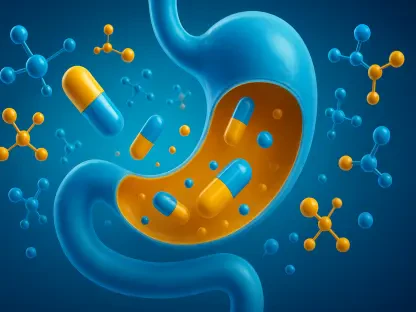
Patients frequently abandon treatment due to gastrointestinal side effects like nausea, making provider availability during titration critical. The current medical landscape in the United States has reached a pivotal juncture where nearly 11% of the adult population relies on Glucagon-Like

The traditional volume-based business model for pharmaceuticals is currently failing to address the societal need for new antibiotics due to the necessary constraints of medical stewardship. This fundamental misalignment illustrates a broader transformation within the industry where the logistical
With acute respiratory illnesses accounting for up to 1.2 million annual visits at current live sites, the demand for rapid point-of-care testing continues to surge. Clinicians often face the daunting challenge of differentiating between viral and bacterial infections in high-pressure environments

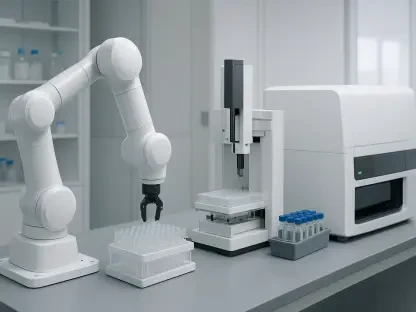
The transition to high-level automation in the Tessenderlo warehouse utilizes robotics for depalletization and goods-to-person picking stations to maximize both speed and ergonomic safety. This strategic shift addresses the mounting pressure on the global healthcare supply chain, where the margin

The pharmaceutical market for generic oncology drugs suffers from a lack of transparency that prevents healthcare providers from predicting or preparing for upcoming supply failures. In the current landscape of 2026, the contrast between groundbreaking genetic research and the inability to procure