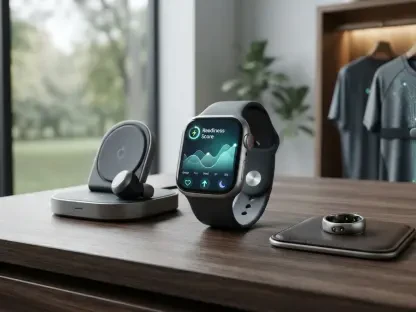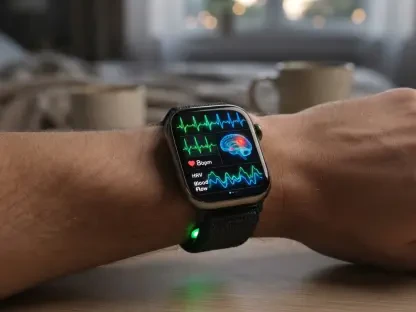

The rapid integration of sophisticated biological sensors into daily consumer electronics has fundamentally altered the relationship between individuals and their personal health data. By utilizing the advanced processing capabilities of Galaxy AI, Samsung has managed to transform the wearable

The transformation of wrist-worn gadgets from simple pedometers into sophisticated clinical instruments signifies a profound shift in how modern society approaches personalized medical oversight and long-term diagnostic tracking. Once dismissed as novelty items for fitness enthusiasts, these

The rapid evolution of interconnected healthcare systems has forced a fundamental shift in how regulatory bodies evaluate the safety and efficacy of diagnostic and therapeutic equipment. Since the mandate granting authorities the power to reject submissions based solely on cybersecurity grounds
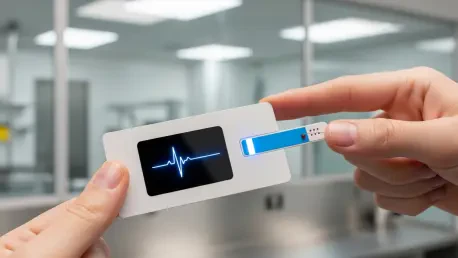
Every forty seconds, an individual in the United States experiences a myocardial infarction, necessitating a diagnostic race against time that often begins in a high-stress emergency room environment. Traditional diagnostic protocols rely on centralized laboratory testing for troponin, a protein

The persistent struggle to maintain a reliable flow of essential medicines across Mexico’s vast and diverse landscape has prompted a radical restructuring of the national pharmaceutical procurement and distribution system. For several years, the healthcare sector faced significant hurdles, ranging

The shift from obtrusive wrist-worn displays to discreet, high-fidelity biometric rings represents one of the most significant transformations in personal health technology observed over the past several years. As the wearable market matures in 2026, consumers are increasingly seeking out devices