
Users seeking medical advice must cross-reference AI-generated responses with established organizations such as Health Canada or the American Heart Association. The landscape of personal health management is undergoing a massive transformation as generative artificial intelligence becomes a

The ability to synthesize over twenty different complex natural products without human intervention marks a significant shift in the future of laboratory operations. For decades, the pharmaceutical industry has grappled with a frustrating disparity between the speed of computational drug discovery

The integration of mental health services into school environments remains stalled by a rigid institutional focus on academic achievement over student psychological well-being. This persistent friction has transformed adolescent mental health from a localized medical issue into a systemic public

Strategic implementation of AI in clinics requires a choice-based model that allows patients to opt-out of automated responses for complex medical questions. As modern healthcare systems navigate an unprecedented surge in patient portal activity, administrators are increasingly turning to Large
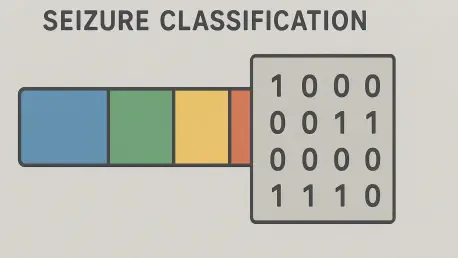
Developing an open consensus standard for epilepsy data is essential for moving away from the proprietary systems that currently hinder collaborative medical research. As we look at the current landscape, the International League Against Epilepsy (ILAE) 2025 guidelines have successfully modernized

One of the most effective strategies for improving surgical timelines involves the automatic escalation of surgical priority once a hip fracture patient has been waiting for 24 hours. This clinical shift comes at a critical time for Ontario’s healthcare system, which currently manages over 13,000