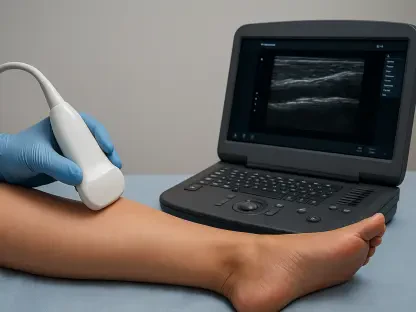

With an initial budget exceeding $500,000, the Rural Health AI Innovation Institute is tasked with developing medical software specifically tailored to the unique needs of Maine’s rural residents. This initiative emerges as a critical lifeline for a state where geographical isolation and an aging demographic have pushed traditional medical facilities to a breaking point. As smaller community hospitals face recurring deficits and staffing shortages continue to threaten the availability of essential services, the transition to high-tech intervention is no longer viewed as a luxury but as an absolute necessity for survival. State leaders have recognized that the geographical barriers inherent to the Pine Tree State require a radical departure from conventional healthcare delivery models. By prioritizing digital transformation over simply maintaining crumbling physical structures, Maine aims to ensure that residents in remote corners of the North Woods or along the rugged coast receive the same quality of care as those in Portland.
Creating a specialized Technological Ecosystem
New Institutional Oversight and Federal Mandates
This massive shift in healthcare strategy is largely fueled by the Rural Health Transformation Program, which has allocated a staggering $190 million to Maine for the 2026-2027 fiscal cycle. Federal authorities have issued clear directives regarding the utilization of these funds, mandating that the lion’s share be invested in digital infrastructure and advanced software systems rather than traditional operating costs or physical facility repairs. This specific focus on innovation over maintenance forces state planners to rethink how medical assistance is delivered to the most vulnerable populations. By prioritizing the development of scalable technology, the program aims to create a sustainable framework that can adapt to future health crises without requiring constant physical expansion. The objective is to build a robust digital spine that supports various medical applications, ensuring that every dollar spent contributes to long-term efficiency and significantly improved patient outcomes across the entire rural landscape.
To manage the complexities of this technological rollout, the Maine Rural AI Hub has been established as a central authority for smaller clinics and independent practitioners. This entity provides the necessary technical expertise and ethical oversight that local providers often lack due to limited resources and smaller administrative teams. By serving as a bridge between high-level data scientists and local doctors, the hub ensures that the implementation of artificial intelligence is both safe and effective. It offers a specialized set of resources designed to help clinics navigate the legalities of data privacy while optimizing their workflows through new algorithmic tools. Furthermore, the hub operates as a collaborative environment where practitioners can share their experiences and troubleshoot common issues encountered during the software transition. This structured support system is essential for preventing the technical debt that often plagues rapid digital adoption, allowing rural clinics to maintain a modern standard of care.
Strategic Partnerships and Software Deployment
A cornerstone of this initiative is the strategic partnership with experts at Duke University, who are working alongside Maine’s medical leaders to refine AI applications for rural environments. This collaboration brings world-class research capabilities to a state that has historically struggled to attract top-tier tech talent to its more remote regions. By leveraging the academic and technical prowess of such institutions, the Rural Health AI Innovation Institute can develop software that accounts for the specific challenges of rural practice, such as limited internet bandwidth and different patient demographics. These researchers are focused on creating lightweight, efficient algorithms that can operate effectively on existing hardware, thereby reducing the need for expensive equipment upgrades. The partnership also facilitates a continuous exchange of data and feedback, ensuring that the software remains relevant and capable of addressing the evolving needs of patients who live far from major urban centers.
Beyond academic ties, the state is also fostering deep connections with private technology firms to modernize electronic health records and streamline the rollout of new clinical software. These private-sector partnerships are essential for building the actual tools that local practitioners will use daily, from advanced predictive billing systems to integrated telehealth platforms. By utilizing cloud-based architectures, these companies allow rural clinics to access high-level computing power without the need for massive on-site servers or specialized IT departments. The goal is to create a seamless ecosystem where patient data can be safely shared between specialists in major cities and primary care doctors in small towns, ensuring continuity of care regardless of the patient’s location. This modernization effort also includes the development of intuitive user interfaces that minimize the learning curve for staff, allowing them to focus more on patient interaction rather than wrestling with software.
Weighing Potential Benefits Against Emerging Risks
Clinical Improvements and Implementation Challenges
From a clinical perspective, the most immediate benefit of integrating artificial intelligence into rural healthcare is the dramatic reduction of the administrative burden on medical professionals. For years, doctors in Maine’s remote areas have struggled with an overwhelming volume of paperwork and documentation, which contributes significantly to provider burnout and early retirement. AI-driven scribing tools and automated coding systems now handle the bulk of these clerical tasks, allowing physicians to spend more of their time actually treating patients. This shift not only improves the quality of the doctor-patient relationship but also makes rural practice a much more attractive career path for younger medical graduates. By alleviating the mental fatigue associated with office work, the state can better retain its existing workforce and attract new talent to underserved communities. As the software becomes more sophisticated, it is expected to create a much more efficient and human-centric medical environment.
While the operational benefits are significant, the ability of AI to enhance diagnostic accuracy represents the most transformative aspect of this technological leap. Advanced algorithms are now capable of analyzing massive datasets to identify subtle patterns that might be missed by the human eye, particularly in the early stages of chronic diseases. By utilizing predictive analytics, healthcare providers can identify high-risk patient groups within their communities and offer proactive interventions before a medical situation escalates into an emergency. This shift toward preventive care is especially crucial in rural areas where the nearest hospital might be an hour’s drive away. Moreover, AI tools can assist in the interpretation of medical imaging and lab results, providing a second set of eyes for rural practitioners who may not have immediate access to specialized consultants. However, this progress depends heavily on the accuracy and diversity of the data being used to ensure the resulting diagnoses remain balanced.
Addressing Infrastructure Hurdles and Public Sentiment
Despite the clear advantages of an AI-driven approach, the persistent issue of inadequate digital infrastructure continued to pose a significant challenge to universal adoption throughout the initial implementation phase. In many of Maine’s most isolated regions, high-speed internet access remained spotty at best, which severely limited the functionality of real-time telehealth services and cloud-based AI tools. Without a reliable and fast connection, the digital divide between urban and rural areas threatened to widen, leaving the most vulnerable residents even further behind. To address this, state officials worked in tandem with the technology rollout to expand broadband coverage through various public and private initiatives. It was understood that the most sophisticated software in the world was useless if a local clinic could not maintain a stable connection to the cloud. Therefore, a substantial portion of the investment was directed toward satellite internet solutions and fiber-optic expansion in the North Woods.
Finally, the success of these high-tech initiatives rested heavily on the ability of the state to build and maintain trust among the general public and healthcare providers alike. Concerns regarding patient privacy and the potential for algorithmic bias remained at the forefront of the conversation throughout the implementation phase. Transparency in how data was collected, stored, and utilized by these systems was identified as a critical factor in gaining community acceptance. Leaders took actionable steps to educate the populace about the safeguards in place, emphasizing that AI was designed to augment, not replace, the human element in medicine. They established oversight committees that included rural residents and local clinicians to ensure that the technology remained aligned with the values and needs of the community. Ultimately, the state focused on continuous auditing of these systems to ensure they delivered equitable outcomes for all residents regardless of their personal or socioeconomic status.