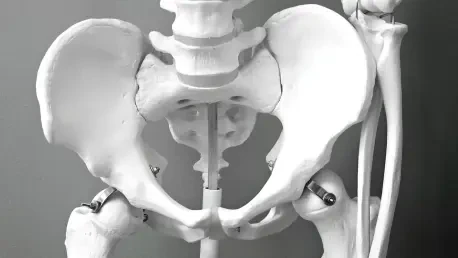
One of the most effective strategies for improving surgical timelines involves the automatic escalation of surgical priority once a hip fracture patient has been waiting for 24 hours. This clinical shift comes at a critical time for Ontario’s healthcare system, which currently manages over 13,000

Managing the parent-child dynamic during a consultation requires a delicate balance to ensure the young adult develops the independence necessary for long-term health. This transition from pediatric to adult healthcare remains one of the most volatile periods for individuals living with chronic

Training diagnostic tools on diverse populations across many different hospitals helps address the demographic biases often found in traditional medical AI models. The integration of digital technology into the healthcare sector has fundamentally reshaped the landscape of modern medicine by moving

Clinician documentation and diagnostic codes serve as the primary evidence for mapping the intense, multi-pathogen demand currently facing medical staff. The transition from a singular focus on a global health crisis to a more complicated landscape involving various respiratory threats has

Integrating sophisticated data tools into existing health infrastructures serves to modernize training while simultaneously reorganizing the way medical services are delivered. As the medical landscape undergoes this rapid evolution, the shift from theoretical promise to practical application has
By generating unique identifiers for every diagnostic sample, automated systems remove the high risk of manual labeling errors in high-pressure hospital environments. The modern Indian healthcare landscape is undergoing a profound digital metamorphosis, and at the heart of this evolution is the