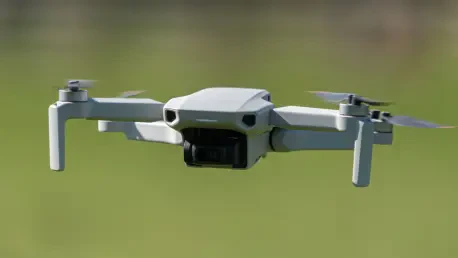

In the remote reaches of Ghana’s northern territories, the distinct hum of autonomous medical drones has transitioned from a novel experiment to a life-saving heartbeat of the national healthcare system. This technological evolution marks a significant departure from traditional logistical hurdles that once paralyzed rural clinics during the peak of the rainy season when roads often became impassable. By leveraging fixed-wing unmanned aerial vehicles, the Ghanaian government has established one of the world’s most advanced autonomous delivery networks, effectively bridging the gap between urban medical hubs and isolated community health centers. These drones are not merely gadgets; they represent a fundamental shift in how critical supplies like blood products, vaccines, and emergency medications are distributed across a diverse topography. The integration of such technology reflects a proactive approach to universal health coverage, ensuring that a person’s geographic location no longer determines their chances of survival during a medical crisis. As of early 2026, the network continues to expand, proving that high-tech solutions can thrive in developing infrastructures when paired with robust political will and local expertise.
Technological Integration in Public Health
Overcoming Geographical Barriers: The Logistics Leap
The sheer physical challenge of navigating Ghana’s varied terrain, from the coastal plains to the northern savannahs, historically meant that specialized treatments were often concentrated in cities like Accra or Kumasi. Drones bypass these terrestrial limitations by utilizing pre-programmed flight paths that ignore the state of ground-level infrastructure, allowing for consistent delivery schedules regardless of weather or road conditions. Each distribution center serves as a high-tech warehouse where drones are launched and recovered with surgical precision, carrying payloads that can save a life within thirty minutes of a request. This capability is particularly vital for the delivery of antivenoms or emergency blood supplies, where every second is a critical factor in patient outcomes. By decoupling medical logistics from the reliability of the road network, Ghana has created a redundant layer of infrastructure that ensures resilience against natural disasters or infrastructure decay. This logistical leap has redefined the concept of local healthcare, effectively bringing centralized pharmacy stocks to the doorstep of every rural outpost.
Real-Time Supply Chain: Beyond Traditional Delivery
Beyond the physical transport of goods, the drone initiative has catalyzed a transformation in digital inventory management across the national health service. Clinics that once struggled with overstocking or frequent stockouts now utilize a centralized digital platform to request exactly what they need in real time, reducing the waste associated with expired medications. This data-driven approach allows health officials to monitor consumption patterns across different regions, providing insights that were previously impossible to gather with manual reporting systems. The drones themselves are equipped with sophisticated sensors and temperature-controlled compartments, ensuring that sensitive biologicals like insulin or modern mRNA vaccines remain at optimal temperatures throughout their transit. This precision is essential for maintaining the efficacy of treatments in tropical climates where heat degradation is a constant threat to public health. Furthermore, the integration of cellular connectivity allows for the tracking of every flight in real-time, creating a transparent and accountable supply chain that minimizes the risk of theft or mismanagement.
Economic and Social Impact of Aerial Logistics
Scaling National Capabilities: Economic Efficiency
Transitioning to an aerial delivery model has yielded substantial economic benefits by optimizing the operational costs associated with large vehicle fleets and their maintenance. While the initial investment in drone technology and ground infrastructure was significant, the long-term savings realized from reduced vehicle wear and tear, lower fuel consumption, and minimized medicine spoilage have proven the model’s viability. Instead of maintaining hundreds of refrigerated trucks that often sit idle or get stuck in traffic, the government now funds a lean, centralized system that operates on-demand. This shift has also fostered a new domestic industry, as local engineers and technicians are trained to maintain and manage these complex systems, creating high-value jobs within the technology sector. The success of this initiative has attracted international interest, positioning Ghana as a leader in the drone-for-good movement and opening doors for future collaborations in aerospace and robotics. By treating healthcare logistics as an integrated technological ecosystem rather than a series of isolated transport tasks, the nation has achieved a level of fiscal efficiency.
Global Model: Strategic Steps for Future Growth
The successful implementation of this national drone network demonstrated that the primary barriers to healthcare equity were often logistical rather than clinical. Leaders in the region recognized that the path forward required a firm commitment to regulatory frameworks that balanced innovation with public safety, allowing for the rapid scaling of autonomous flight operations. Authorities worked diligently to integrate these aerial corridors into the existing national airspace, ensuring that medical drones could operate seamlessly alongside traditional aviation. Looking ahead, the focus turned toward diversifying the types of cargo transported, potentially including diagnostic samples or specialized surgical tools to further decentralize complex medical procedures. Stakeholders emphasized the importance of community engagement, ensuring that local populations understood and trusted the technology appearing above their villages. By fostering a culture of technical literacy and transparency, the project secured the long-term social capital necessary for its permanence. These strategic actions established a resilient foundation for a modernized health infrastructure that prioritized speed and reliability.